Original Meaning
The Heading (77:0)
THE SUPERSCRIPTION OF PSALM 77 indicates that it belongs to the collection of Asaph psalms begun with Psalm 73. “Jeduthun” in the title probably refers to one of the other temple music leaders who was a contemporary of Asaph (1 Chr 16:41–42). The preposition ‘al (NIV: “For Jeduthun”) should probably be read as “according to the style of.”1
The psalm is described as a mizmor, the most common designation for the poems of the Psalter, appearing in the titles of some fifty-seven psalms. The term mizmor seems simply to mean “a composition.”2
Bridging Contexts
THE SHEPHERD-KING IN THE PSALTER. The image of God as Shepherd and Israel as his flock is one we will return to when we examine the “LORD reigns” psalms (Pss 93–100), but this rich theme is worthy of mention here because of its significance to the overall theology of Psalm 77. When we chart the flow of this poem, we see the movement from the psalmist’s doubt-filled lament to a confident trust based on his remembrance of Yahweh’s past saving deeds. A significant part of this transition is rooted in the final climactic statement of Psalm 77. The speaker remembers that Yahweh is a Shepherd who guides his people by the agency of servants, who are also meant to shepherd the people. Clearly, the shepherd metaphor speaks of protection and care, for these duties comprise the herdsman’s primary responsibility toward his flock—protecting them from the dangers of thieves and wild animals and leading them to places where they will find pasture and water. In the context of the ancient world, however, the shepherd metaphor also speaks about rule and authority, with marked royal connotations. We see an example of this meaning in Ezekiel 34, where the kings of Israel are criticized by the prophet because of their failures with regard to their role as shepherds. They failed to provide leadership and care for Israel (Ezek 34:1–10) to such an extent that Yahweh himself had to intervene in order to gather his wandered flock, protect them, and provide for them (Ezek 34:11–16);21
hence the rich significance of Psalm 23’s declaration of the Lord as the psalmist’s Shepherd. But the reminder of the rod and staff that comfort (v. 4) is also a reminder of the kingship and rule of God. The images of the rod and the staff are more commonly associated with the scepter of the king. They are symbols of rule as much as they are signs of protection.22
The significance of this royal symbolism here at the close of Psalm 77 is vital to the transformation experienced by the psalmist. The act of remembering the salvific deeds of God worked on behalf of his people in the past (vv. 10–12) reminds the psalmist of the true nature and identity of his God (vv. 12–20). This remembrance of God’s identity culminates in the confession of his leadership as Shepherd-King (v. 20). Essentially, the speaker remembers that God rules. Sometimes his purposes are difficult for us to understand (the unseen footprints of v. 19), but his sovereign governance over all things is beyond question. Sometimes there may be a gap between our knowledge of God’s providential rule on our behalf and the experience of it on a daily basis. Herein lies the root of the psalmist’s problem in verses 1–9—there was a gap between his awareness of divine power and protection and his experience of it. But the confessional value of singing psalms of praise in the night redirected the psalmist from his focus on the subjectivity of present difficulties to his remembrance of the objective and unchangeable truth of Yahweh’s powerful care for his people as the Shepherd-King whose sovereignty is absolute.
The exodus in the Psalter. Another interesting aspect of Psalm 77 is the psalmist’s recourse to the exodus from Egypt as the greatest expression of God’s salvific work on behalf of his people. This theme becomes even more explicit in the following poems—Psalms 78, 80, and 81—and perhaps comes to the fore most fully in Book 4 of the Psalter. Given that Book 3 (Pss 73–89) is dominated by the language, imagery, and anguish of the exile, it is perhaps not surprising that the exodus is foregrounded in the “story” of this section of the book of Psalms. The exodus represents the clearest example of God’s powerful, redemptive work to bring release to his oppressed people. It is easy to see how these psalms provide comfort for people in need of release from foreign power and oppression.
In the postexilic period, the use of the two other pairs of “Exodus Psalms” [including Pss 77 and 78] is admittedly less subversive, for the context concerns the raising up of a people brought low by the exile; in this sense there is a greater continuity between the essence of the Exodus tradition (God’s protection of the oppressed) and its later interpretation.23
The reminder of God’s power expressed in the exodus gives hope to people requiring release from oppression in their present reality. Just as Moses said to Israel when they were faced with the Red Sea on one side and the terrors of the Egyptian army on the other, “Do not be afraid. Stand firm and you will see the deliverance the LORD will bring you today” (Exod 14:13), so also remembrance of that salvation gives hope to people without strength in every generation.24
Psalm 77 in the New Testament. There are no direct citations or allusions from Psalm 77 in the New Testament. Some of the imagery of this poem, however, represents themes that are richly apparent throughout the whole Bible. In particular, and in a manner somewhat akin to that in Psalm 74, Jesus’ authority over the waves echoes Yahweh’s dominance of the seas in Psalm 77:16–19 (e.g., see Matt 8:23–27). Yahweh’s unseen footprints leading through the sea (Ps 77:19) may be more specifically echoed in Jesus’ walking on the water (Matt 14:22–36). Here again Christ shows his absolute mastery over the waves and demonstrates that his way cannot be limited by meaningless obstacles such as “mighty waters.” The absolute sovereignty of Yahweh in Psalm 77 is reflected in the absolute sovereignty of Christ over the seas in the Gospels. Similarly, Romans 11:33 may well echo Psalm 77:19—“his paths beyond tracing out.” Paul’s doxology in Romans reflects upon the inscrutability of God’s ways, as do the poet’s words in Psalm 77.
Contemporary Significance
THE IMPORTANCE OF REMEMBERING. As mentioned briefly in our consideration of Psalm 76, we see once again the importance of remembering the works of God in the past if we are to have a right perspective on our present reality. We do not know the specifics of the speaker’s difficulties in Psalm 77, but clearly his days and nights have been dark and his distress has been great. Even meditating on God has not helped him find comfort in his problem (v. 3). There is a difference, however, between nostalgia and remembrance. The poet’s transition from distress to confidence is triggered by remembrance of “the years when the Most High stretched out his right hand” (v. 10). This pivotal verse marks the movement from what was, perhaps, general and aimless reflection to a purposeful bringing to mind of the ways in which God has saved and helped his people in the past.
Altars are of great significance in the Old Testament. Whenever God made a promise to his people, an altar was built as a physical act of remembrance of that promise (e.g., Abram in Gen 12:7)—an altar that served as a physical reminder of the promise made by God. As time passed and circumstances changed, the recipient of the promise could return to the altar as a reminder of the certainty of the divine word even when present circumstances indicated a different reality. Altars were also raised in order to commemorate God’s mighty works of help or salvation on behalf of the community of faith (e.g., after the crossing of the Jordan in Josh 4). Building an altar serves as an act of remembrance that reminds the people of God’s care, power, and help (Josh 4:19–24). Time and time again the Old Testament makes clear the importance of remembering for the spiritual health of God’s people. Observing the Passover is an act of remembrance that speaks to the people of God’s power and salvation (Exod 13). Phylacteries tied to hands and heads or doorposts and gates were meant to remind the people of the importance of holistic love for God (Deut 6:8). Tassels on cloaks served as reminders of the importance of keeping God’s laws (Num 15:38–41). The Old Testament is full of indications that remembering the character, works, and faithfulness of God is essential for healthy spirituality and a proper perspective on the life we live.
The book of Deuteronomy is designed to be an expression of the covenantal relationship between God and his people for their new situation as those who were soon to dwell in a land of their own. The people are about to experience a change of status from being a nomadic people entirely dependent on God as they wandered through the desert to being a landed people who are able to plant and grow crops, raise up vineyards, and dig wells for themselves. The danger that accompanies their new situation is, of course, that the people turn their hearts from an attitude of dependence on God to an attitude of self-sufficiency (Deut 8). So it is that Deuteronomy is absolutely full of exhortations to remember God and his gracious works.25
The text of this Old Testament book makes it absolutely plain that right relationship with God requires a good spiritual memory, and the same is absolutely true for the Christian community of faith in our generation. Just as the Passover was a reminder of God’s saving work for the covenant community in the pre-Christian era, so also the Lord’s Supper is a commemoration of Christ’s saving work on behalf of the Christian community of faith (Luke 22:18–19). Taking the bread and wine reminds us of Jesus’ body and blood, which were willingly given and spilt so that all who believe in him can enjoy renewed and eternal relationship with God. “Taking communion” is an act of remembrance. In celebrating this sacrament, we are reminded of all that we have in Christ (forgiveness, cleansing, restored standing in the eyes of the Father, etc.), and we are also reminded of the great cost at which this change of status was bought for us. If we are to go on in our walk with God, we must remember what has gone before in our walk with him. New days and new circumstances will present new challenges, but it is only forgetfulness with regard to God’s faithfulness in the past that will place us in a position of fear as we face uncertainties in the future. The memories of yesterday in the conscious bringing to mind of God’s past activity on our behalf, on the other hand, brings confidence for tomorrow.
Psalm 77 also speaks of the important role that song can play in remembering God and maintaining the right perspective in difficult days. Verse 6 indicates that remembering songs in the night moved the psalmist’s thought processes in a much more positive direction. These songs reminded him that the Lord does not reject forever and that his love his unfailing (vv. 7–9). It is, of course, quite possible that the poet is referring to the Psalms themselves, and in singing these songs he is reminded of the true character of God that remains unchanged and unchangeable. As suggested above, it is quite possible that the speaker reverted to singing the songs of praise that played something of a creedal role in the worship life of Israel. It is interesting to note that the psalmist reverts to songs of praise even at a time when his heart would be disinclined to praise. These praises spoke about the true nature of God, and there is a lesson here for contemporary readers of Psalms as well. The Psalter makes it absolutely plain that there are times when it is appropriate to express honest complaint against God, but Psalm 77 reminds us that sometimes our problems lie in forgetfulness with regard to God’s faithfulness in the past. In singing praises to God, sometimes we will discover newfound confidence based on these songs’ professions of faith. Songs of praise, ancient hymns, Christmas carols, and the like all celebrate the goodness of God toward his people and the works he has done on their behalf. Reminding ourselves of these truths can result in a dramatic change of perspective, from hopelessness to confidence, as we think deeply and powerfully about God’s faithfulness to his people in the past.
If we are to go on in the faith, our spirituality must be marked by remembrance of the past as much as it is marked by vision for the future. The trials and difficulties of today remain real, but our view of them is transformed by the practice of remembrance. The insurmountable becomes doable as we remember the God who in the past has worked miracles to help his people. It is important to remember.
Original Meaning
The Call of Lament (77:1–2)
I CRIED OUT TO GOD FOR HELP. Psalm 77 begins with a description of the appeal to God by the pray-er in his time of distress. In many ways these verses seem typical of the tone of lament that we see in many psalms in Books 1–3. The key difference in comparison with other laments, however, is that in Psalm 77, verses 1–9 refer to the poet’s lament in terms of a past narrative. Typically, lament is addressed directly to God in the second person, and the address is very much based on the poet’s present experience. Here, however, the psalmist relates his past experience to the reader.3
He speaks of days of distress (v. 2) when he called out to the Lord in prayer, yet these prayers remained unanswered.4
The intensity of these prayers is seen in the language used—the language of crying out, being in distress, seeking the Lord, stretching out untiring hands, and refusal to be comforted. These were not the light prayers that we so often offer without any real expectation that God will answer. The psalmist is telling us about deep prayers of the heart. He is relating an account of a protracted time when he grappled with God in prayer.5
The Hebrew text makes it clear that this pleading to the Lord is vocal—these prayers are cried out audibly. That the poet does so constitutes another sign of the intensity of his plea for divine intervention.
When I was in distress, I sought the Lord. Clearly, the psalmist did the right thing! His trouble was real. The Hebrew word translated “distress” (tsarah) in verse 2 conjures up the image of “straits” or “narrows.” It is a tight spot, a time when the psalmist feels hemmed in and unable to breathe. But the poet responds rightly to his undefined calamity. Rather than panicking, he seeks the Lord, and he does so day and night. The refusal to be comforted indicates the full extent of his suffering and the greatness of his need for God’s help (see Jer 31:15).6
The fact that the psalmist’s soul “would not be comforted” is not meant to reflect intransigence on his part. It is rather an indication that his prayer remains unanswered and, therefore, his grief continues.7
The poet’s attitude in these verses also reflects his awareness of his complete dependence on God. We do not know what challenges he faced, but we see clearly that he was aware that resolution could only be found by the hand of God. Such an attitude of complete dependence on Yahweh is considered meritorious in the Old Testament (Ps 62:7).
Bridging Contexts
THE SHEPHERD-KING IN THE PSALTER. The image of God as Shepherd and Israel as his flock is one we will return to when we examine the “LORD reigns” psalms (Pss 93–100), but this rich theme is worthy of mention here because of its significance to the overall theology of Psalm 77. When we chart the flow of this poem, we see the movement from the psalmist’s doubt-filled lament to a confident trust based on his remembrance of Yahweh’s past saving deeds. A significant part of this transition is rooted in the final climactic statement of Psalm 77. The speaker remembers that Yahweh is a Shepherd who guides his people by the agency of servants, who are also meant to shepherd the people. Clearly, the shepherd metaphor speaks of protection and care, for these duties comprise the herdsman’s primary responsibility toward his flock—protecting them from the dangers of thieves and wild animals and leading them to places where they will find pasture and water. In the context of the ancient world, however, the shepherd metaphor also speaks about rule and authority, with marked royal connotations. We see an example of this meaning in Ezekiel 34, where the kings of Israel are criticized by the prophet because of their failures with regard to their role as shepherds. They failed to provide leadership and care for Israel (Ezek 34:1–10) to such an extent that Yahweh himself had to intervene in order to gather his wandered flock, protect them, and provide for them (Ezek 34:11–16);21
hence the rich significance of Psalm 23’s declaration of the Lord as the psalmist’s Shepherd. But the reminder of the rod and staff that comfort (v. 4) is also a reminder of the kingship and rule of God. The images of the rod and the staff are more commonly associated with the scepter of the king. They are symbols of rule as much as they are signs of protection.22
The significance of this royal symbolism here at the close of Psalm 77 is vital to the transformation experienced by the psalmist. The act of remembering the salvific deeds of God worked on behalf of his people in the past (vv. 10–12) reminds the psalmist of the true nature and identity of his God (vv. 12–20). This remembrance of God’s identity culminates in the confession of his leadership as Shepherd-King (v. 20). Essentially, the speaker remembers that God rules. Sometimes his purposes are difficult for us to understand (the unseen footprints of v. 19), but his sovereign governance over all things is beyond question. Sometimes there may be a gap between our knowledge of God’s providential rule on our behalf and the experience of it on a daily basis. Herein lies the root of the psalmist’s problem in verses 1–9—there was a gap between his awareness of divine power and protection and his experience of it. But the confessional value of singing psalms of praise in the night redirected the psalmist from his focus on the subjectivity of present difficulties to his remembrance of the objective and unchangeable truth of Yahweh’s powerful care for his people as the Shepherd-King whose sovereignty is absolute.
The exodus in the Psalter. Another interesting aspect of Psalm 77 is the psalmist’s recourse to the exodus from Egypt as the greatest expression of God’s salvific work on behalf of his people. This theme becomes even more explicit in the following poems—Psalms 78, 80, and 81—and perhaps comes to the fore most fully in Book 4 of the Psalter. Given that Book 3 (Pss 73–89) is dominated by the language, imagery, and anguish of the exile, it is perhaps not surprising that the exodus is foregrounded in the “story” of this section of the book of Psalms. The exodus represents the clearest example of God’s powerful, redemptive work to bring release to his oppressed people. It is easy to see how these psalms provide comfort for people in need of release from foreign power and oppression.
In the postexilic period, the use of the two other pairs of “Exodus Psalms” [including Pss 77 and 78] is admittedly less subversive, for the context concerns the raising up of a people brought low by the exile; in this sense there is a greater continuity between the essence of the Exodus tradition (God’s protection of the oppressed) and its later interpretation.23
The reminder of God’s power expressed in the exodus gives hope to people requiring release from oppression in their present reality. Just as Moses said to Israel when they were faced with the Red Sea on one side and the terrors of the Egyptian army on the other, “Do not be afraid. Stand firm and you will see the deliverance the LORD will bring you today” (Exod 14:13), so also remembrance of that salvation gives hope to people without strength in every generation.24
Psalm 77 in the New Testament. There are no direct citations or allusions from Psalm 77 in the New Testament. Some of the imagery of this poem, however, represents themes that are richly apparent throughout the whole Bible. In particular, and in a manner somewhat akin to that in Psalm 74, Jesus’ authority over the waves echoes Yahweh’s dominance of the seas in Psalm 77:16–19 (e.g., see Matt 8:23–27). Yahweh’s unseen footprints leading through the sea (Ps 77:19) may be more specifically echoed in Jesus’ walking on the water (Matt 14:22–36). Here again Christ shows his absolute mastery over the waves and demonstrates that his way cannot be limited by meaningless obstacles such as “mighty waters.” The absolute sovereignty of Yahweh in Psalm 77 is reflected in the absolute sovereignty of Christ over the seas in the Gospels. Similarly, Romans 11:33 may well echo Psalm 77:19—“his paths beyond tracing out.” Paul’s doxology in Romans reflects upon the inscrutability of God’s ways, as do the poet’s words in Psalm 77.
Contemporary Significance
THE IMPORTANCE OF REMEMBERING. As mentioned briefly in our consideration of Psalm 76, we see once again the importance of remembering the works of God in the past if we are to have a right perspective on our present reality. We do not know the specifics of the speaker’s difficulties in Psalm 77, but clearly his days and nights have been dark and his distress has been great. Even meditating on God has not helped him find comfort in his problem (v. 3). There is a difference, however, between nostalgia and remembrance. The poet’s transition from distress to confidence is triggered by remembrance of “the years when the Most High stretched out his right hand” (v. 10). This pivotal verse marks the movement from what was, perhaps, general and aimless reflection to a purposeful bringing to mind of the ways in which God has saved and helped his people in the past.
Altars are of great significance in the Old Testament. Whenever God made a promise to his people, an altar was built as a physical act of remembrance of that promise (e.g., Abram in Gen 12:7)—an altar that served as a physical reminder of the promise made by God. As time passed and circumstances changed, the recipient of the promise could return to the altar as a reminder of the certainty of the divine word even when present circumstances indicated a different reality. Altars were also raised in order to commemorate God’s mighty works of help or salvation on behalf of the community of faith (e.g., after the crossing of the Jordan in Josh 4). Building an altar serves as an act of remembrance that reminds the people of God’s care, power, and help (Josh 4:19–24). Time and time again the Old Testament makes clear the importance of remembering for the spiritual health of God’s people. Observing the Passover is an act of remembrance that speaks to the people of God’s power and salvation (Exod 13). Phylacteries tied to hands and heads or doorposts and gates were meant to remind the people of the importance of holistic love for God (Deut 6:8). Tassels on cloaks served as reminders of the importance of keeping God’s laws (Num 15:38–41). The Old Testament is full of indications that remembering the character, works, and faithfulness of God is essential for healthy spirituality and a proper perspective on the life we live.
The book of Deuteronomy is designed to be an expression of the covenantal relationship between God and his people for their new situation as those who were soon to dwell in a land of their own. The people are about to experience a change of status from being a nomadic people entirely dependent on God as they wandered through the desert to being a landed people who are able to plant and grow crops, raise up vineyards, and dig wells for themselves. The danger that accompanies their new situation is, of course, that the people turn their hearts from an attitude of dependence on God to an attitude of self-sufficiency (Deut 8). So it is that Deuteronomy is absolutely full of exhortations to remember God and his gracious works.25
The text of this Old Testament book makes it absolutely plain that right relationship with God requires a good spiritual memory, and the same is absolutely true for the Christian community of faith in our generation. Just as the Passover was a reminder of God’s saving work for the covenant community in the pre-Christian era, so also the Lord’s Supper is a commemoration of Christ’s saving work on behalf of the Christian community of faith (Luke 22:18–19). Taking the bread and wine reminds us of Jesus’ body and blood, which were willingly given and spilt so that all who believe in him can enjoy renewed and eternal relationship with God. “Taking communion” is an act of remembrance. In celebrating this sacrament, we are reminded of all that we have in Christ (forgiveness, cleansing, restored standing in the eyes of the Father, etc.), and we are also reminded of the great cost at which this change of status was bought for us. If we are to go on in our walk with God, we must remember what has gone before in our walk with him. New days and new circumstances will present new challenges, but it is only forgetfulness with regard to God’s faithfulness in the past that will place us in a position of fear as we face uncertainties in the future. The memories of yesterday in the conscious bringing to mind of God’s past activity on our behalf, on the other hand, brings confidence for tomorrow.
Psalm 77 also speaks of the important role that song can play in remembering God and maintaining the right perspective in difficult days. Verse 6 indicates that remembering songs in the night moved the psalmist’s thought processes in a much more positive direction. These songs reminded him that the Lord does not reject forever and that his love his unfailing (vv. 7–9). It is, of course, quite possible that the poet is referring to the Psalms themselves, and in singing these songs he is reminded of the true character of God that remains unchanged and unchangeable. As suggested above, it is quite possible that the speaker reverted to singing the songs of praise that played something of a creedal role in the worship life of Israel. It is interesting to note that the psalmist reverts to songs of praise even at a time when his heart would be disinclined to praise. These praises spoke about the true nature of God, and there is a lesson here for contemporary readers of Psalms as well. The Psalter makes it absolutely plain that there are times when it is appropriate to express honest complaint against God, but Psalm 77 reminds us that sometimes our problems lie in forgetfulness with regard to God’s faithfulness in the past. In singing praises to God, sometimes we will discover newfound confidence based on these songs’ professions of faith. Songs of praise, ancient hymns, Christmas carols, and the like all celebrate the goodness of God toward his people and the works he has done on their behalf. Reminding ourselves of these truths can result in a dramatic change of perspective, from hopelessness to confidence, as we think deeply and powerfully about God’s faithfulness to his people in the past.
If we are to go on in the faith, our spirituality must be marked by remembrance of the past as much as it is marked by vision for the future. The trials and difficulties of today remain real, but our view of them is transformed by the practice of remembrance. The insurmountable becomes doable as we remember the God who in the past has worked miracles to help his people. It is important to remember.
Original Meaning
Painful Reflection (77:3–6)
I REMEMBERED YOU, GOD, AND I GROANED. In these verses we witness the dissonance between the suppliant’s memories of God and his present experience of unanswered prayer. His memory of past grace made his present suffering all the more difficult to bear. Looking back, he points the reader’s attention to a time when not even his reflection on God brought comfort—even his own meditation on God was somehow burdensome. As Craig Broyles comments, “These lonely musings yield pain and longing, leaving the speaker sleepless, speechless and lost in nostalgia.”8
You kept my eyes from closing. This is the only statement in verses 1–9 that addresses God directly, and these words show us that the psalmist views God as the source of his insomnia. The opening verses of Psalm 77 highlight the dedication and commitment of the poet in prayer, but his reflection and meditation bring him no peace. Sleep would have been a release; verse 4a, however, paints a picture of a God who refused the psalmist sleep, thus forcing him to maintain his vigil of reflection. This very visual image speaks of God as having “seized” (’ahazta) the eyelids of the speaker, of keeping his eyes open and refusing to grant him sleep.9
Despite his wakefulness, the psalmist finds himself unable to speak (v. 4b). Is he intimidated by God’s absence and his forceful action in denying him rest? Or is it that he does not want to voice his abject and hopeless meditations? We do not know, but clearly even prayer has become difficult for the poet.10
I remembered my songs in the night. Psalm 77:5–6 points to the speaker’s reflection on years gone by. The poet realizes that his experiences with God in the past have been different from his present experience and that this contrast is worthy of further consideration. The act of “remembering his songs in the night” indicates that the psalmist consciously contrasts his present experience of exile with times that were much more favorable. It is possible that the songs which the speaker remembered in the night were songs of praise to Yahweh.11
If so, it is likely that this remembrance of past praise was influential in the transformation that is so clear in Psalm 77. James Mays notes that the praise psalms served an important creedal function in Israel’s public worship:
[P]salmic praise is confessional. Praise as doxology declares that God is. Praise as confession says who God is. The hymns of the Psalter were Israel’s confession of faith. In them the people of God said—and say—who it is they trust and obey. In the history of worship, we have come to associate the confession of faith with the literary form of the creed, but in the biblical world the congregations’ declaration of whom they served took the form of praise.12
It is, therefore, not surprising that the remembrance of past hymns of praise sparks a train of thought that leads to transformation. In reciting hymns of praise to himself, the poet is reminded of the true nature of the God who is praised; hence, “my heart meditated and my spirit asked” (v. 6b). The words of the songs begin a process of contemplation that is much more fruitful than the lonely meditations of the preceding verses.
Bridging Contexts
THE SHEPHERD-KING IN THE PSALTER. The image of God as Shepherd and Israel as his flock is one we will return to when we examine the “LORD reigns” psalms (Pss 93–100), but this rich theme is worthy of mention here because of its significance to the overall theology of Psalm 77. When we chart the flow of this poem, we see the movement from the psalmist’s doubt-filled lament to a confident trust based on his remembrance of Yahweh’s past saving deeds. A significant part of this transition is rooted in the final climactic statement of Psalm 77. The speaker remembers that Yahweh is a Shepherd who guides his people by the agency of servants, who are also meant to shepherd the people. Clearly, the shepherd metaphor speaks of protection and care, for these duties comprise the herdsman’s primary responsibility toward his flock—protecting them from the dangers of thieves and wild animals and leading them to places where they will find pasture and water. In the context of the ancient world, however, the shepherd metaphor also speaks about rule and authority, with marked royal connotations. We see an example of this meaning in Ezekiel 34, where the kings of Israel are criticized by the prophet because of their failures with regard to their role as shepherds. They failed to provide leadership and care for Israel (Ezek 34:1–10) to such an extent that Yahweh himself had to intervene in order to gather his wandered flock, protect them, and provide for them (Ezek 34:11–16);21
hence the rich significance of Psalm 23’s declaration of the Lord as the psalmist’s Shepherd. But the reminder of the rod and staff that comfort (v. 4) is also a reminder of the kingship and rule of God. The images of the rod and the staff are more commonly associated with the scepter of the king. They are symbols of rule as much as they are signs of protection.22
The significance of this royal symbolism here at the close of Psalm 77 is vital to the transformation experienced by the psalmist. The act of remembering the salvific deeds of God worked on behalf of his people in the past (vv. 10–12) reminds the psalmist of the true nature and identity of his God (vv. 12–20). This remembrance of God’s identity culminates in the confession of his leadership as Shepherd-King (v. 20). Essentially, the speaker remembers that God rules. Sometimes his purposes are difficult for us to understand (the unseen footprints of v. 19), but his sovereign governance over all things is beyond question. Sometimes there may be a gap between our knowledge of God’s providential rule on our behalf and the experience of it on a daily basis. Herein lies the root of the psalmist’s problem in verses 1–9—there was a gap between his awareness of divine power and protection and his experience of it. But the confessional value of singing psalms of praise in the night redirected the psalmist from his focus on the subjectivity of present difficulties to his remembrance of the objective and unchangeable truth of Yahweh’s powerful care for his people as the Shepherd-King whose sovereignty is absolute.
The exodus in the Psalter. Another interesting aspect of Psalm 77 is the psalmist’s recourse to the exodus from Egypt as the greatest expression of God’s salvific work on behalf of his people. This theme becomes even more explicit in the following poems—Psalms 78, 80, and 81—and perhaps comes to the fore most fully in Book 4 of the Psalter. Given that Book 3 (Pss 73–89) is dominated by the language, imagery, and anguish of the exile, it is perhaps not surprising that the exodus is foregrounded in the “story” of this section of the book of Psalms. The exodus represents the clearest example of God’s powerful, redemptive work to bring release to his oppressed people. It is easy to see how these psalms provide comfort for people in need of release from foreign power and oppression.
In the postexilic period, the use of the two other pairs of “Exodus Psalms” [including Pss 77 and 78] is admittedly less subversive, for the context concerns the raising up of a people brought low by the exile; in this sense there is a greater continuity between the essence of the Exodus tradition (God’s protection of the oppressed) and its later interpretation.23
The reminder of God’s power expressed in the exodus gives hope to people requiring release from oppression in their present reality. Just as Moses said to Israel when they were faced with the Red Sea on one side and the terrors of the Egyptian army on the other, “Do not be afraid. Stand firm and you will see the deliverance the LORD will bring you today” (Exod 14:13), so also remembrance of that salvation gives hope to people without strength in every generation.24
Psalm 77 in the New Testament. There are no direct citations or allusions from Psalm 77 in the New Testament. Some of the imagery of this poem, however, represents themes that are richly apparent throughout the whole Bible. In particular, and in a manner somewhat akin to that in Psalm 74, Jesus’ authority over the waves echoes Yahweh’s dominance of the seas in Psalm 77:16–19 (e.g., see Matt 8:23–27). Yahweh’s unseen footprints leading through the sea (Ps 77:19) may be more specifically echoed in Jesus’ walking on the water (Matt 14:22–36). Here again Christ shows his absolute mastery over the waves and demonstrates that his way cannot be limited by meaningless obstacles such as “mighty waters.” The absolute sovereignty of Yahweh in Psalm 77 is reflected in the absolute sovereignty of Christ over the seas in the Gospels. Similarly, Romans 11:33 may well echo Psalm 77:19—“his paths beyond tracing out.” Paul’s doxology in Romans reflects upon the inscrutability of God’s ways, as do the poet’s words in Psalm 77.
Contemporary Significance
THE IMPORTANCE OF REMEMBERING. As mentioned briefly in our consideration of Psalm 76, we see once again the importance of remembering the works of God in the past if we are to have a right perspective on our present reality. We do not know the specifics of the speaker’s difficulties in Psalm 77, but clearly his days and nights have been dark and his distress has been great. Even meditating on God has not helped him find comfort in his problem (v. 3). There is a difference, however, between nostalgia and remembrance. The poet’s transition from distress to confidence is triggered by remembrance of “the years when the Most High stretched out his right hand” (v. 10). This pivotal verse marks the movement from what was, perhaps, general and aimless reflection to a purposeful bringing to mind of the ways in which God has saved and helped his people in the past.
Altars are of great significance in the Old Testament. Whenever God made a promise to his people, an altar was built as a physical act of remembrance of that promise (e.g., Abram in Gen 12:7)—an altar that served as a physical reminder of the promise made by God. As time passed and circumstances changed, the recipient of the promise could return to the altar as a reminder of the certainty of the divine word even when present circumstances indicated a different reality. Altars were also raised in order to commemorate God’s mighty works of help or salvation on behalf of the community of faith (e.g., after the crossing of the Jordan in Josh 4). Building an altar serves as an act of remembrance that reminds the people of God’s care, power, and help (Josh 4:19–24). Time and time again the Old Testament makes clear the importance of remembering for the spiritual health of God’s people. Observing the Passover is an act of remembrance that speaks to the people of God’s power and salvation (Exod 13). Phylacteries tied to hands and heads or doorposts and gates were meant to remind the people of the importance of holistic love for God (Deut 6:8). Tassels on cloaks served as reminders of the importance of keeping God’s laws (Num 15:38–41). The Old Testament is full of indications that remembering the character, works, and faithfulness of God is essential for healthy spirituality and a proper perspective on the life we live.
The book of Deuteronomy is designed to be an expression of the covenantal relationship between God and his people for their new situation as those who were soon to dwell in a land of their own. The people are about to experience a change of status from being a nomadic people entirely dependent on God as they wandered through the desert to being a landed people who are able to plant and grow crops, raise up vineyards, and dig wells for themselves. The danger that accompanies their new situation is, of course, that the people turn their hearts from an attitude of dependence on God to an attitude of self-sufficiency (Deut 8). So it is that Deuteronomy is absolutely full of exhortations to remember God and his gracious works.25
The text of this Old Testament book makes it absolutely plain that right relationship with God requires a good spiritual memory, and the same is absolutely true for the Christian community of faith in our generation. Just as the Passover was a reminder of God’s saving work for the covenant community in the pre-Christian era, so also the Lord’s Supper is a commemoration of Christ’s saving work on behalf of the Christian community of faith (Luke 22:18–19). Taking the bread and wine reminds us of Jesus’ body and blood, which were willingly given and spilt so that all who believe in him can enjoy renewed and eternal relationship with God. “Taking communion” is an act of remembrance. In celebrating this sacrament, we are reminded of all that we have in Christ (forgiveness, cleansing, restored standing in the eyes of the Father, etc.), and we are also reminded of the great cost at which this change of status was bought for us. If we are to go on in our walk with God, we must remember what has gone before in our walk with him. New days and new circumstances will present new challenges, but it is only forgetfulness with regard to God’s faithfulness in the past that will place us in a position of fear as we face uncertainties in the future. The memories of yesterday in the conscious bringing to mind of God’s past activity on our behalf, on the other hand, brings confidence for tomorrow.
Psalm 77 also speaks of the important role that song can play in remembering God and maintaining the right perspective in difficult days. Verse 6 indicates that remembering songs in the night moved the psalmist’s thought processes in a much more positive direction. These songs reminded him that the Lord does not reject forever and that his love his unfailing (vv. 7–9). It is, of course, quite possible that the poet is referring to the Psalms themselves, and in singing these songs he is reminded of the true character of God that remains unchanged and unchangeable. As suggested above, it is quite possible that the speaker reverted to singing the songs of praise that played something of a creedal role in the worship life of Israel. It is interesting to note that the psalmist reverts to songs of praise even at a time when his heart would be disinclined to praise. These praises spoke about the true nature of God, and there is a lesson here for contemporary readers of Psalms as well. The Psalter makes it absolutely plain that there are times when it is appropriate to express honest complaint against God, but Psalm 77 reminds us that sometimes our problems lie in forgetfulness with regard to God’s faithfulness in the past. In singing praises to God, sometimes we will discover newfound confidence based on these songs’ professions of faith. Songs of praise, ancient hymns, Christmas carols, and the like all celebrate the goodness of God toward his people and the works he has done on their behalf. Reminding ourselves of these truths can result in a dramatic change of perspective, from hopelessness to confidence, as we think deeply and powerfully about God’s faithfulness to his people in the past.
If we are to go on in the faith, our spirituality must be marked by remembrance of the past as much as it is marked by vision for the future. The trials and difficulties of today remain real, but our view of them is transformed by the practice of remembrance. The insurmountable becomes doable as we remember the God who in the past has worked miracles to help his people. It is important to remember.
Original Meaning
Powerful Rhetorical Questions (77:7–9)
“WILL THE LORD REJECT FOREVER?” In speaking of the rhetorical questions that Yahweh fires at Job in response to his complaint, John Eaton writes, “Questions are the most arresting form of address and here bring home the full the weight of the theme.”13
Precisely the same effect is at work here in Psalm 77:7–9, except that it is the psalmist’s self-interrogation that brings home the full weight of realization. Singing psalms of praise, with all their creedal statements about the faithfulness of Yahweh and the fact that his steadfast love endures forever, triggers a train of thought that is inescapable for the speaker in this psalm. “Will the Lord reject forever? Will he never show his favor again? Has his unfailing love vanished forever? Has God forgotten to be merciful?”
The rhetorical questions speak for themselves and lead the psalmist to a conclusion grounded in faith that belies the difficulties of his present circumstances. The whole point of “unfailing love” is that it is unfailing!14
God’s promise never fails, and, even at the time of Israel’s great rebellion in worshiping the golden calf, Yahweh reveals himself to be slow to anger and abounding in steadfast love (Exod 34:6–7). The psalmist is asking questions to which he already knows the answer. The songs he sang in the night reminded him of what he already knew—the faithfulness of God never fails. The pray-er focuses on attributes of God that are inextricably linked with his good character—his favor (ratsah), his covenantal love (hesed), his promise (’omer), his grace (hinnen), and his mercy (raham). These key terms are intimately linked with God’s unchanging faithfulness toward his people based on the binding promise between him and them. These attributes are non-negotiables of Yahweh’s character. He can no more deny these characteristics of his being and his sworn means of relationship with his people than deny his own existence. This self-interrogation reminds the speaker of what he knows about his God and, once again, this reminder brings remarkable transformation.
Bridging Contexts
THE SHEPHERD-KING IN THE PSALTER. The image of God as Shepherd and Israel as his flock is one we will return to when we examine the “LORD reigns” psalms (Pss 93–100), but this rich theme is worthy of mention here because of its significance to the overall theology of Psalm 77. When we chart the flow of this poem, we see the movement from the psalmist’s doubt-filled lament to a confident trust based on his remembrance of Yahweh’s past saving deeds. A significant part of this transition is rooted in the final climactic statement of Psalm 77. The speaker remembers that Yahweh is a Shepherd who guides his people by the agency of servants, who are also meant to shepherd the people. Clearly, the shepherd metaphor speaks of protection and care, for these duties comprise the herdsman’s primary responsibility toward his flock—protecting them from the dangers of thieves and wild animals and leading them to places where they will find pasture and water. In the context of the ancient world, however, the shepherd metaphor also speaks about rule and authority, with marked royal connotations. We see an example of this meaning in Ezekiel 34, where the kings of Israel are criticized by the prophet because of their failures with regard to their role as shepherds. They failed to provide leadership and care for Israel (Ezek 34:1–10) to such an extent that Yahweh himself had to intervene in order to gather his wandered flock, protect them, and provide for them (Ezek 34:11–16);21
hence the rich significance of Psalm 23’s declaration of the Lord as the psalmist’s Shepherd. But the reminder of the rod and staff that comfort (v. 4) is also a reminder of the kingship and rule of God. The images of the rod and the staff are more commonly associated with the scepter of the king. They are symbols of rule as much as they are signs of protection.22
The significance of this royal symbolism here at the close of Psalm 77 is vital to the transformation experienced by the psalmist. The act of remembering the salvific deeds of God worked on behalf of his people in the past (vv. 10–12) reminds the psalmist of the true nature and identity of his God (vv. 12–20). This remembrance of God’s identity culminates in the confession of his leadership as Shepherd-King (v. 20). Essentially, the speaker remembers that God rules. Sometimes his purposes are difficult for us to understand (the unseen footprints of v. 19), but his sovereign governance over all things is beyond question. Sometimes there may be a gap between our knowledge of God’s providential rule on our behalf and the experience of it on a daily basis. Herein lies the root of the psalmist’s problem in verses 1–9—there was a gap between his awareness of divine power and protection and his experience of it. But the confessional value of singing psalms of praise in the night redirected the psalmist from his focus on the subjectivity of present difficulties to his remembrance of the objective and unchangeable truth of Yahweh’s powerful care for his people as the Shepherd-King whose sovereignty is absolute.
The exodus in the Psalter. Another interesting aspect of Psalm 77 is the psalmist’s recourse to the exodus from Egypt as the greatest expression of God’s salvific work on behalf of his people. This theme becomes even more explicit in the following poems—Psalms 78, 80, and 81—and perhaps comes to the fore most fully in Book 4 of the Psalter. Given that Book 3 (Pss 73–89) is dominated by the language, imagery, and anguish of the exile, it is perhaps not surprising that the exodus is foregrounded in the “story” of this section of the book of Psalms. The exodus represents the clearest example of God’s powerful, redemptive work to bring release to his oppressed people. It is easy to see how these psalms provide comfort for people in need of release from foreign power and oppression.
In the postexilic period, the use of the two other pairs of “Exodus Psalms” [including Pss 77 and 78] is admittedly less subversive, for the context concerns the raising up of a people brought low by the exile; in this sense there is a greater continuity between the essence of the Exodus tradition (God’s protection of the oppressed) and its later interpretation.23
The reminder of God’s power expressed in the exodus gives hope to people requiring release from oppression in their present reality. Just as Moses said to Israel when they were faced with the Red Sea on one side and the terrors of the Egyptian army on the other, “Do not be afraid. Stand firm and you will see the deliverance the LORD will bring you today” (Exod 14:13), so also remembrance of that salvation gives hope to people without strength in every generation.24
Psalm 77 in the New Testament. There are no direct citations or allusions from Psalm 77 in the New Testament. Some of the imagery of this poem, however, represents themes that are richly apparent throughout the whole Bible. In particular, and in a manner somewhat akin to that in Psalm 74, Jesus’ authority over the waves echoes Yahweh’s dominance of the seas in Psalm 77:16–19 (e.g., see Matt 8:23–27). Yahweh’s unseen footprints leading through the sea (Ps 77:19) may be more specifically echoed in Jesus’ walking on the water (Matt 14:22–36). Here again Christ shows his absolute mastery over the waves and demonstrates that his way cannot be limited by meaningless obstacles such as “mighty waters.” The absolute sovereignty of Yahweh in Psalm 77 is reflected in the absolute sovereignty of Christ over the seas in the Gospels. Similarly, Romans 11:33 may well echo Psalm 77:19—“his paths beyond tracing out.” Paul’s doxology in Romans reflects upon the inscrutability of God’s ways, as do the poet’s words in Psalm 77.
Contemporary Significance
THE IMPORTANCE OF REMEMBERING. As mentioned briefly in our consideration of Psalm 76, we see once again the importance of remembering the works of God in the past if we are to have a right perspective on our present reality. We do not know the specifics of the speaker’s difficulties in Psalm 77, but clearly his days and nights have been dark and his distress has been great. Even meditating on God has not helped him find comfort in his problem (v. 3). There is a difference, however, between nostalgia and remembrance. The poet’s transition from distress to confidence is triggered by remembrance of “the years when the Most High stretched out his right hand” (v. 10). This pivotal verse marks the movement from what was, perhaps, general and aimless reflection to a purposeful bringing to mind of the ways in which God has saved and helped his people in the past.
Altars are of great significance in the Old Testament. Whenever God made a promise to his people, an altar was built as a physical act of remembrance of that promise (e.g., Abram in Gen 12:7)—an altar that served as a physical reminder of the promise made by God. As time passed and circumstances changed, the recipient of the promise could return to the altar as a reminder of the certainty of the divine word even when present circumstances indicated a different reality. Altars were also raised in order to commemorate God’s mighty works of help or salvation on behalf of the community of faith (e.g., after the crossing of the Jordan in Josh 4). Building an altar serves as an act of remembrance that reminds the people of God’s care, power, and help (Josh 4:19–24). Time and time again the Old Testament makes clear the importance of remembering for the spiritual health of God’s people. Observing the Passover is an act of remembrance that speaks to the people of God’s power and salvation (Exod 13). Phylacteries tied to hands and heads or doorposts and gates were meant to remind the people of the importance of holistic love for God (Deut 6:8). Tassels on cloaks served as reminders of the importance of keeping God’s laws (Num 15:38–41). The Old Testament is full of indications that remembering the character, works, and faithfulness of God is essential for healthy spirituality and a proper perspective on the life we live.
The book of Deuteronomy is designed to be an expression of the covenantal relationship between God and his people for their new situation as those who were soon to dwell in a land of their own. The people are about to experience a change of status from being a nomadic people entirely dependent on God as they wandered through the desert to being a landed people who are able to plant and grow crops, raise up vineyards, and dig wells for themselves. The danger that accompanies their new situation is, of course, that the people turn their hearts from an attitude of dependence on God to an attitude of self-sufficiency (Deut 8). So it is that Deuteronomy is absolutely full of exhortations to remember God and his gracious works.25
The text of this Old Testament book makes it absolutely plain that right relationship with God requires a good spiritual memory, and the same is absolutely true for the Christian community of faith in our generation. Just as the Passover was a reminder of God’s saving work for the covenant community in the pre-Christian era, so also the Lord’s Supper is a commemoration of Christ’s saving work on behalf of the Christian community of faith (Luke 22:18–19). Taking the bread and wine reminds us of Jesus’ body and blood, which were willingly given and spilt so that all who believe in him can enjoy renewed and eternal relationship with God. “Taking communion” is an act of remembrance. In celebrating this sacrament, we are reminded of all that we have in Christ (forgiveness, cleansing, restored standing in the eyes of the Father, etc.), and we are also reminded of the great cost at which this change of status was bought for us. If we are to go on in our walk with God, we must remember what has gone before in our walk with him. New days and new circumstances will present new challenges, but it is only forgetfulness with regard to God’s faithfulness in the past that will place us in a position of fear as we face uncertainties in the future. The memories of yesterday in the conscious bringing to mind of God’s past activity on our behalf, on the other hand, brings confidence for tomorrow.
Psalm 77 also speaks of the important role that song can play in remembering God and maintaining the right perspective in difficult days. Verse 6 indicates that remembering songs in the night moved the psalmist’s thought processes in a much more positive direction. These songs reminded him that the Lord does not reject forever and that his love his unfailing (vv. 7–9). It is, of course, quite possible that the poet is referring to the Psalms themselves, and in singing these songs he is reminded of the true character of God that remains unchanged and unchangeable. As suggested above, it is quite possible that the speaker reverted to singing the songs of praise that played something of a creedal role in the worship life of Israel. It is interesting to note that the psalmist reverts to songs of praise even at a time when his heart would be disinclined to praise. These praises spoke about the true nature of God, and there is a lesson here for contemporary readers of Psalms as well. The Psalter makes it absolutely plain that there are times when it is appropriate to express honest complaint against God, but Psalm 77 reminds us that sometimes our problems lie in forgetfulness with regard to God’s faithfulness in the past. In singing praises to God, sometimes we will discover newfound confidence based on these songs’ professions of faith. Songs of praise, ancient hymns, Christmas carols, and the like all celebrate the goodness of God toward his people and the works he has done on their behalf. Reminding ourselves of these truths can result in a dramatic change of perspective, from hopelessness to confidence, as we think deeply and powerfully about God’s faithfulness to his people in the past.
If we are to go on in the faith, our spirituality must be marked by remembrance of the past as much as it is marked by vision for the future. The trials and difficulties of today remain real, but our view of them is transformed by the practice of remembrance. The insurmountable becomes doable as we remember the God who in the past has worked miracles to help his people. It is important to remember.
Original Meaning
Appeal to the Past (77:10–15)
THEN I THOUGHT, “TO THIS I WILL APPEAL: THE YEARS WHEN THE MOST HIGH STRETCHED OUT HIS RIGHT HAND.” Psalm 77:10 serves as the pivot around which this poem revolves. The psalmist’s questions reveal to him the course of action he must take. He realizes that, if his God is truly gracious and merciful, then his appeal must be directed to God and based on the reminder of Yahweh’s own works in the past.
There is much debate about the translation of this verse. Several translations follow an alternative rendering of this statement along the lines of the NRSV, namely, “And I say, ‘It is my grief that the right hand of the Most High has changed.’ ” From a purely linguistic perspective, both translation options are valid and, indeed, many of the commentators translate verse 10 along the lines of the NRSV.15
But consideration of how we translate this verse must take its cue from the context and natural flow of the poem itself. The rhetorical questions that precede this statement (vv. 7–9) all imply the answer that God will not reject his people forever and that he will be faithful to his promise. Equally, the verses that follow speak of the poet’s remembrance of the saving works of Yahweh in the past and his goodness toward his own people (vv. 11–15). It is striking that the most logical translation of verse 10 is not as a lament over the fact that God’s dealings with his people have changed but rather as a pivotal statement of reorientation for the psalmist. The speaker’s present experience is difficult, but he consciously decides to make his appeal to God based on divine faithfulness in the past and the unchangeable nature of his character. Eaton is correct when he writes,
This pivotal verse has been rendered in widely differing ways, the Hebrew being ambiguous. . . . However, the preceding occurrence of the ‘pause’ [Hebrew selah], and also the force of ‘And/But I say’, make it more probable that this verse introduces the hymnic section, countering the preceding questions. As in the Asaph Psalm 74, the ancient work of God is to be recounted as plea for its renewal.16
The poet’s decision to appeal to “the years when the Most High stretched out his right hand” suggests he has found a new focus for his prayer that had somehow fallen by the wayside in his previous intercession. He focuses his mind on the saving works of God in the past. The right hand of God is a metaphor that points to his power and ability to deliver his people from any threat, as perhaps most clearly seen in the saving works of God in the exodus. Exodus 15:6 celebrates the work of Yahweh’s right hand in delivering his people from the impossible situation at the Red Sea. The massed ranks of the Egyptian army on one side, the impassible waters of the sea on the other—how could people possibly be delivered from this threat? “Your right hand, LORD, was majestic in power. Your right hand, LORD, shattered the enemy” rings the Song of Moses after God has worked out a remarkable salvation for them. What is more, the speaker acknowledges that the people of God have experienced such works of deliverance throughout many generations in the past. The experience of deliverance has been their norm for many years, and, despite the present difficulty, Israel’s God has not changed. So the poet decides to refocus his prayers through a new prism—the conscious remembrance of the faithfulness and powerful works of God in the past.
I will remember the deeds of the LORD. This re-centering of the psalmist’s intercession is echoed in verses 11–12. Note the language that is used here: “I will remember,” “I will remember,” “I will meditate,” and “I will consider.” These acts are conscious on the part of the speaker. He makes a decision to view his current experience in the light of God’s deeds in the past. And what are the objects of this remembrance? Yahweh’s miracles, his works, his mighty deeds. The psalmist realizes that remembering what the Lord has done in the past makes it easier to face the challenges of the present. God, of course, is never bound by his previous activity—his interaction with his people, however, reveals his changeless character, which therefore legitimately shapes the expectations of his people.
Your ways, God, are holy. What god is so great as our God? It seems reasonable to ask what has changed in the heart of the poet between his burdensome remembrance of God in verse 3 and the release-providing remembrance of God’s deeds in verses 10–15. The same activities are indicated both in the initial lament and in the hymn of praise and hope that follows (i.e., remembering and meditating). How can they produce such different effects? While it is impossible to enter into the inner thought processes of the psalmist, there does seem to be a transformation in the type of remembrance practiced in each section of the psalm. Could it be that verses 1–5 smack just a little bit of self-pitying nostalgia? These verses paint an image of the psalmist as alone with his thoughts, possibly reminiscing about former and better days in an unproductive way. Verses 10–15, however, reveal a dynamic wherein remembrance leads not to nostalgia but to prayer. Having reminded himself of the works of the Lord (vv. 10–12), the speaker goes on to remind God of his saving works in the past. At this point in the psalmist’s experience the act of remembering becomes a spur to pray. Remembering has unleashed a new confidence that is reflected in the activity of the psalmist as opposed to his passivity in the earlier lament. Clearly, calling to mind the activities of God in behalf of his people has given the poet new confidence by reminding him that his God is worthy of trust because he has proved himself countless times in the past. No other god can compare with the God who has delivered his people time and time again. Such a God can be trusted even when circumstances would indicate otherwise—hence the psalmist’s transformation of attitude.
The speaker now not only remembers God in his own heart and spirit (vv. 3, 6, i.e., privately); he reminds God of the saving precedent that he established himself by his own acts. When left to ourselves, memories can lead to nostalgia and despair, but when presented to God they can become a powerful appeal for renewal.17
In reminding himself and God of God’s miraculously powerful saving works in the past, the psalmist discovers new hope.
Bridging Contexts
THE SHEPHERD-KING IN THE PSALTER. The image of God as Shepherd and Israel as his flock is one we will return to when we examine the “LORD reigns” psalms (Pss 93–100), but this rich theme is worthy of mention here because of its significance to the overall theology of Psalm 77. When we chart the flow of this poem, we see the movement from the psalmist’s doubt-filled lament to a confident trust based on his remembrance of Yahweh’s past saving deeds. A significant part of this transition is rooted in the final climactic statement of Psalm 77. The speaker remembers that Yahweh is a Shepherd who guides his people by the agency of servants, who are also meant to shepherd the people. Clearly, the shepherd metaphor speaks of protection and care, for these duties comprise the herdsman’s primary responsibility toward his flock—protecting them from the dangers of thieves and wild animals and leading them to places where they will find pasture and water. In the context of the ancient world, however, the shepherd metaphor also speaks about rule and authority, with marked royal connotations. We see an example of this meaning in Ezekiel 34, where the kings of Israel are criticized by the prophet because of their failures with regard to their role as shepherds. They failed to provide leadership and care for Israel (Ezek 34:1–10) to such an extent that Yahweh himself had to intervene in order to gather his wandered flock, protect them, and provide for them (Ezek 34:11–16);21
hence the rich significance of Psalm 23’s declaration of the Lord as the psalmist’s Shepherd. But the reminder of the rod and staff that comfort (v. 4) is also a reminder of the kingship and rule of God. The images of the rod and the staff are more commonly associated with the scepter of the king. They are symbols of rule as much as they are signs of protection.22
The significance of this royal symbolism here at the close of Psalm 77 is vital to the transformation experienced by the psalmist. The act of remembering the salvific deeds of God worked on behalf of his people in the past (vv. 10–12) reminds the psalmist of the true nature and identity of his God (vv. 12–20). This remembrance of God’s identity culminates in the confession of his leadership as Shepherd-King (v. 20). Essentially, the speaker remembers that God rules. Sometimes his purposes are difficult for us to understand (the unseen footprints of v. 19), but his sovereign governance over all things is beyond question. Sometimes there may be a gap between our knowledge of God’s providential rule on our behalf and the experience of it on a daily basis. Herein lies the root of the psalmist’s problem in verses 1–9—there was a gap between his awareness of divine power and protection and his experience of it. But the confessional value of singing psalms of praise in the night redirected the psalmist from his focus on the subjectivity of present difficulties to his remembrance of the objective and unchangeable truth of Yahweh’s powerful care for his people as the Shepherd-King whose sovereignty is absolute.
The exodus in the Psalter. Another interesting aspect of Psalm 77 is the psalmist’s recourse to the exodus from Egypt as the greatest expression of God’s salvific work on behalf of his people. This theme becomes even more explicit in the following poems—Psalms 78, 80, and 81—and perhaps comes to the fore most fully in Book 4 of the Psalter. Given that Book 3 (Pss 73–89) is dominated by the language, imagery, and anguish of the exile, it is perhaps not surprising that the exodus is foregrounded in the “story” of this section of the book of Psalms. The exodus represents the clearest example of God’s powerful, redemptive work to bring release to his oppressed people. It is easy to see how these psalms provide comfort for people in need of release from foreign power and oppression.
In the postexilic period, the use of the two other pairs of “Exodus Psalms” [including Pss 77 and 78] is admittedly less subversive, for the context concerns the raising up of a people brought low by the exile; in this sense there is a greater continuity between the essence of the Exodus tradition (God’s protection of the oppressed) and its later interpretation.23
The reminder of God’s power expressed in the exodus gives hope to people requiring release from oppression in their present reality. Just as Moses said to Israel when they were faced with the Red Sea on one side and the terrors of the Egyptian army on the other, “Do not be afraid. Stand firm and you will see the deliverance the LORD will bring you today” (Exod 14:13), so also remembrance of that salvation gives hope to people without strength in every generation.24
Psalm 77 in the New Testament. There are no direct citations or allusions from Psalm 77 in the New Testament. Some of the imagery of this poem, however, represents themes that are richly apparent throughout the whole Bible. In particular, and in a manner somewhat akin to that in Psalm 74, Jesus’ authority over the waves echoes Yahweh’s dominance of the seas in Psalm 77:16–19 (e.g., see Matt 8:23–27). Yahweh’s unseen footprints leading through the sea (Ps 77:19) may be more specifically echoed in Jesus’ walking on the water (Matt 14:22–36). Here again Christ shows his absolute mastery over the waves and demonstrates that his way cannot be limited by meaningless obstacles such as “mighty waters.” The absolute sovereignty of Yahweh in Psalm 77 is reflected in the absolute sovereignty of Christ over the seas in the Gospels. Similarly, Romans 11:33 may well echo Psalm 77:19—“his paths beyond tracing out.” Paul’s doxology in Romans reflects upon the inscrutability of God’s ways, as do the poet’s words in Psalm 77.
Contemporary Significance
THE IMPORTANCE OF REMEMBERING. As mentioned briefly in our consideration of Psalm 76, we see once again the importance of remembering the works of God in the past if we are to have a right perspective on our present reality. We do not know the specifics of the speaker’s difficulties in Psalm 77, but clearly his days and nights have been dark and his distress has been great. Even meditating on God has not helped him find comfort in his problem (v. 3). There is a difference, however, between nostalgia and remembrance. The poet’s transition from distress to confidence is triggered by remembrance of “the years when the Most High stretched out his right hand” (v. 10). This pivotal verse marks the movement from what was, perhaps, general and aimless reflection to a purposeful bringing to mind of the ways in which God has saved and helped his people in the past.
Altars are of great significance in the Old Testament. Whenever God made a promise to his people, an altar was built as a physical act of remembrance of that promise (e.g., Abram in Gen 12:7)—an altar that served as a physical reminder of the promise made by God. As time passed and circumstances changed, the recipient of the promise could return to the altar as a reminder of the certainty of the divine word even when present circumstances indicated a different reality. Altars were also raised in order to commemorate God’s mighty works of help or salvation on behalf of the community of faith (e.g., after the crossing of the Jordan in Josh 4). Building an altar serves as an act of remembrance that reminds the people of God’s care, power, and help (Josh 4:19–24). Time and time again the Old Testament makes clear the importance of remembering for the spiritual health of God’s people. Observing the Passover is an act of remembrance that speaks to the people of God’s power and salvation (Exod 13). Phylacteries tied to hands and heads or doorposts and gates were meant to remind the people of the importance of holistic love for God (Deut 6:8). Tassels on cloaks served as reminders of the importance of keeping God’s laws (Num 15:38–41). The Old Testament is full of indications that remembering the character, works, and faithfulness of God is essential for healthy spirituality and a proper perspective on the life we live.
The book of Deuteronomy is designed to be an expression of the covenantal relationship between God and his people for their new situation as those who were soon to dwell in a land of their own. The people are about to experience a change of status from being a nomadic people entirely dependent on God as they wandered through the desert to being a landed people who are able to plant and grow crops, raise up vineyards, and dig wells for themselves. The danger that accompanies their new situation is, of course, that the people turn their hearts from an attitude of dependence on God to an attitude of self-sufficiency (Deut 8). So it is that Deuteronomy is absolutely full of exhortations to remember God and his gracious works.25
The text of this Old Testament book makes it absolutely plain that right relationship with God requires a good spiritual memory, and the same is absolutely true for the Christian community of faith in our generation. Just as the Passover was a reminder of God’s saving work for the covenant community in the pre-Christian era, so also the Lord’s Supper is a commemoration of Christ’s saving work on behalf of the Christian community of faith (Luke 22:18–19). Taking the bread and wine reminds us of Jesus’ body and blood, which were willingly given and spilt so that all who believe in him can enjoy renewed and eternal relationship with God. “Taking communion” is an act of remembrance. In celebrating this sacrament, we are reminded of all that we have in Christ (forgiveness, cleansing, restored standing in the eyes of the Father, etc.), and we are also reminded of the great cost at which this change of status was bought for us. If we are to go on in our walk with God, we must remember what has gone before in our walk with him. New days and new circumstances will present new challenges, but it is only forgetfulness with regard to God’s faithfulness in the past that will place us in a position of fear as we face uncertainties in the future. The memories of yesterday in the conscious bringing to mind of God’s past activity on our behalf, on the other hand, brings confidence for tomorrow.
Psalm 77 also speaks of the important role that song can play in remembering God and maintaining the right perspective in difficult days. Verse 6 indicates that remembering songs in the night moved the psalmist’s thought processes in a much more positive direction. These songs reminded him that the Lord does not reject forever and that his love his unfailing (vv. 7–9). It is, of course, quite possible that the poet is referring to the Psalms themselves, and in singing these songs he is reminded of the true character of God that remains unchanged and unchangeable. As suggested above, it is quite possible that the speaker reverted to singing the songs of praise that played something of a creedal role in the worship life of Israel. It is interesting to note that the psalmist reverts to songs of praise even at a time when his heart would be disinclined to praise. These praises spoke about the true nature of God, and there is a lesson here for contemporary readers of Psalms as well. The Psalter makes it absolutely plain that there are times when it is appropriate to express honest complaint against God, but Psalm 77 reminds us that sometimes our problems lie in forgetfulness with regard to God’s faithfulness in the past. In singing praises to God, sometimes we will discover newfound confidence based on these songs’ professions of faith. Songs of praise, ancient hymns, Christmas carols, and the like all celebrate the goodness of God toward his people and the works he has done on their behalf. Reminding ourselves of these truths can result in a dramatic change of perspective, from hopelessness to confidence, as we think deeply and powerfully about God’s faithfulness to his people in the past.
If we are to go on in the faith, our spirituality must be marked by remembrance of the past as much as it is marked by vision for the future. The trials and difficulties of today remain real, but our view of them is transformed by the practice of remembrance. The insurmountable becomes doable as we remember the God who in the past has worked miracles to help his people. It is important to remember.
Original Meaning
Remembering Past Victory (77:16–20)
THE WATERS SAW YOU AND WRITHED. The psalmist moves from generic celebration of God’s salvific work in the past to specific commemoration of the ultimate example of divine salvation in the Old Testament, namely, the exodus from Egypt. Even more particularly, the poet commemorates what is arguably the most miraculous of all the miracles worked by Yahweh to secure the release of his people from slavery, namely, the parting of the Red Sea (Exod 14). The author personifies the sea as a combatant in a struggle with Yahweh—a combatant who is utterly defeated in the divine work of salvation. Neither the armies on one side of Israel nor the sea on the other constitute any sort of risk or danger for God’s people, for he is the Warrior God working on their behalf. The waters were entirely vanquished at the coming of the Lord—his appearance established his power and the salvation of his people.
The imagery of verses 17–18 is typical of psalmic accounts of theophany (cf. Ps 18:7–15). Clouds, thunder, lightning, and the quaking of the earth typically mark the physical manifestation of God on earth in the Old Testament (e.g., see Exod 20:18–21; Deut 5:22–27). The psalmist is clearly implying that Yahweh was really present with his people in the outworking of the miraculous act of salvation that was the parting of the Red Sea (Exod 15:6–12). Perhaps the most interesting aspect of the divine theophany at the Red Sea in the presentation of Psalm 77 is that Yahweh, although present, went unseen.
Your path led through the sea, your way through the mighty waters, though your footprints were not seen. Of course, there are challenges in following an invisible God. His power was made manifest in the parting of the sea, but the people had to follow with the water piled up on both sides. The psalmist implies that God’s presence and power are always without question, yet his purposes and ways are sometimes hidden to his people. It is easy to see how this lesson would be deeply meaningful to Israel in the exilic or postexilic period. Yahweh is still the God of miraculous salvation even though his purposes are opaque for his people at this time. “Even in the most magnificent of God’s revelations, he remains profoundly hidden. His acts must be recognized by faith.”18
Bridging Contexts
THE SHEPHERD-KING IN THE PSALTER. The image of God as Shepherd and Israel as his flock is one we will return to when we examine the “LORD reigns” psalms (Pss 93–100), but this rich theme is worthy of mention here because of its significance to the overall theology of Psalm 77. When we chart the flow of this poem, we see the movement from the psalmist’s doubt-filled lament to a confident trust based on his remembrance of Yahweh’s past saving deeds. A significant part of this transition is rooted in the final climactic statement of Psalm 77. The speaker remembers that Yahweh is a Shepherd who guides his people by the agency of servants, who are also meant to shepherd the people. Clearly, the shepherd metaphor speaks of protection and care, for these duties comprise the herdsman’s primary responsibility toward his flock—protecting them from the dangers of thieves and wild animals and leading them to places where they will find pasture and water. In the context of the ancient world, however, the shepherd metaphor also speaks about rule and authority, with marked royal connotations. We see an example of this meaning in Ezekiel 34, where the kings of Israel are criticized by the prophet because of their failures with regard to their role as shepherds. They failed to provide leadership and care for Israel (Ezek 34:1–10) to such an extent that Yahweh himself had to intervene in order to gather his wandered flock, protect them, and provide for them (Ezek 34:11–16);21
hence the rich significance of Psalm 23’s declaration of the Lord as the psalmist’s Shepherd. But the reminder of the rod and staff that comfort (v. 4) is also a reminder of the kingship and rule of God. The images of the rod and the staff are more commonly associated with the scepter of the king. They are symbols of rule as much as they are signs of protection.22
The significance of this royal symbolism here at the close of Psalm 77 is vital to the transformation experienced by the psalmist. The act of remembering the salvific deeds of God worked on behalf of his people in the past (vv. 10–12) reminds the psalmist of the true nature and identity of his God (vv. 12–20). This remembrance of God’s identity culminates in the confession of his leadership as Shepherd-King (v. 20). Essentially, the speaker remembers that God rules. Sometimes his purposes are difficult for us to understand (the unseen footprints of v. 19), but his sovereign governance over all things is beyond question. Sometimes there may be a gap between our knowledge of God’s providential rule on our behalf and the experience of it on a daily basis. Herein lies the root of the psalmist’s problem in verses 1–9—there was a gap between his awareness of divine power and protection and his experience of it. But the confessional value of singing psalms of praise in the night redirected the psalmist from his focus on the subjectivity of present difficulties to his remembrance of the objective and unchangeable truth of Yahweh’s powerful care for his people as the Shepherd-King whose sovereignty is absolute.
The exodus in the Psalter. Another interesting aspect of Psalm 77 is the psalmist’s recourse to the exodus from Egypt as the greatest expression of God’s salvific work on behalf of his people. This theme becomes even more explicit in the following poems—Psalms 78, 80, and 81—and perhaps comes to the fore most fully in Book 4 of the Psalter. Given that Book 3 (Pss 73–89) is dominated by the language, imagery, and anguish of the exile, it is perhaps not surprising that the exodus is foregrounded in the “story” of this section of the book of Psalms. The exodus represents the clearest example of God’s powerful, redemptive work to bring release to his oppressed people. It is easy to see how these psalms provide comfort for people in need of release from foreign power and oppression.
In the postexilic period, the use of the two other pairs of “Exodus Psalms” [including Pss 77 and 78] is admittedly less subversive, for the context concerns the raising up of a people brought low by the exile; in this sense there is a greater continuity between the essence of the Exodus tradition (God’s protection of the oppressed) and its later interpretation.23
The reminder of God’s power expressed in the exodus gives hope to people requiring release from oppression in their present reality. Just as Moses said to Israel when they were faced with the Red Sea on one side and the terrors of the Egyptian army on the other, “Do not be afraid. Stand firm and you will see the deliverance the LORD will bring you today” (Exod 14:13), so also remembrance of that salvation gives hope to people without strength in every generation.24
Psalm 77 in the New Testament. There are no direct citations or allusions from Psalm 77 in the New Testament. Some of the imagery of this poem, however, represents themes that are richly apparent throughout the whole Bible. In particular, and in a manner somewhat akin to that in Psalm 74, Jesus’ authority over the waves echoes Yahweh’s dominance of the seas in Psalm 77:16–19 (e.g., see Matt 8:23–27). Yahweh’s unseen footprints leading through the sea (Ps 77:19) may be more specifically echoed in Jesus’ walking on the water (Matt 14:22–36). Here again Christ shows his absolute mastery over the waves and demonstrates that his way cannot be limited by meaningless obstacles such as “mighty waters.” The absolute sovereignty of Yahweh in Psalm 77 is reflected in the absolute sovereignty of Christ over the seas in the Gospels. Similarly, Romans 11:33 may well echo Psalm 77:19—“his paths beyond tracing out.” Paul’s doxology in Romans reflects upon the inscrutability of God’s ways, as do the poet’s words in Psalm 77.
Contemporary Significance
THE IMPORTANCE OF REMEMBERING. As mentioned briefly in our consideration of Psalm 76, we see once again the importance of remembering the works of God in the past if we are to have a right perspective on our present reality. We do not know the specifics of the speaker’s difficulties in Psalm 77, but clearly his days and nights have been dark and his distress has been great. Even meditating on God has not helped him find comfort in his problem (v. 3). There is a difference, however, between nostalgia and remembrance. The poet’s transition from distress to confidence is triggered by remembrance of “the years when the Most High stretched out his right hand” (v. 10). This pivotal verse marks the movement from what was, perhaps, general and aimless reflection to a purposeful bringing to mind of the ways in which God has saved and helped his people in the past.
Altars are of great significance in the Old Testament. Whenever God made a promise to his people, an altar was built as a physical act of remembrance of that promise (e.g., Abram in Gen 12:7)—an altar that served as a physical reminder of the promise made by God. As time passed and circumstances changed, the recipient of the promise could return to the altar as a reminder of the certainty of the divine word even when present circumstances indicated a different reality. Altars were also raised in order to commemorate God’s mighty works of help or salvation on behalf of the community of faith (e.g., after the crossing of the Jordan in Josh 4). Building an altar serves as an act of remembrance that reminds the people of God’s care, power, and help (Josh 4:19–24). Time and time again the Old Testament makes clear the importance of remembering for the spiritual health of God’s people. Observing the Passover is an act of remembrance that speaks to the people of God’s power and salvation (Exod 13). Phylacteries tied to hands and heads or doorposts and gates were meant to remind the people of the importance of holistic love for God (Deut 6:8). Tassels on cloaks served as reminders of the importance of keeping God’s laws (Num 15:38–41). The Old Testament is full of indications that remembering the character, works, and faithfulness of God is essential for healthy spirituality and a proper perspective on the life we live.
The book of Deuteronomy is designed to be an expression of the covenantal relationship between God and his people for their new situation as those who were soon to dwell in a land of their own. The people are about to experience a change of status from being a nomadic people entirely dependent on God as they wandered through the desert to being a landed people who are able to plant and grow crops, raise up vineyards, and dig wells for themselves. The danger that accompanies their new situation is, of course, that the people turn their hearts from an attitude of dependence on God to an attitude of self-sufficiency (Deut 8). So it is that Deuteronomy is absolutely full of exhortations to remember God and his gracious works.25
The text of this Old Testament book makes it absolutely plain that right relationship with God requires a good spiritual memory, and the same is absolutely true for the Christian community of faith in our generation. Just as the Passover was a reminder of God’s saving work for the covenant community in the pre-Christian era, so also the Lord’s Supper is a commemoration of Christ’s saving work on behalf of the Christian community of faith (Luke 22:18–19). Taking the bread and wine reminds us of Jesus’ body and blood, which were willingly given and spilt so that all who believe in him can enjoy renewed and eternal relationship with God. “Taking communion” is an act of remembrance. In celebrating this sacrament, we are reminded of all that we have in Christ (forgiveness, cleansing, restored standing in the eyes of the Father, etc.), and we are also reminded of the great cost at which this change of status was bought for us. If we are to go on in our walk with God, we must remember what has gone before in our walk with him. New days and new circumstances will present new challenges, but it is only forgetfulness with regard to God’s faithfulness in the past that will place us in a position of fear as we face uncertainties in the future. The memories of yesterday in the conscious bringing to mind of God’s past activity on our behalf, on the other hand, brings confidence for tomorrow.
Psalm 77 also speaks of the important role that song can play in remembering God and maintaining the right perspective in difficult days. Verse 6 indicates that remembering songs in the night moved the psalmist’s thought processes in a much more positive direction. These songs reminded him that the Lord does not reject forever and that his love his unfailing (vv. 7–9). It is, of course, quite possible that the poet is referring to the Psalms themselves, and in singing these songs he is reminded of the true character of God that remains unchanged and unchangeable. As suggested above, it is quite possible that the speaker reverted to singing the songs of praise that played something of a creedal role in the worship life of Israel. It is interesting to note that the psalmist reverts to songs of praise even at a time when his heart would be disinclined to praise. These praises spoke about the true nature of God, and there is a lesson here for contemporary readers of Psalms as well. The Psalter makes it absolutely plain that there are times when it is appropriate to express honest complaint against God, but Psalm 77 reminds us that sometimes our problems lie in forgetfulness with regard to God’s faithfulness in the past. In singing praises to God, sometimes we will discover newfound confidence based on these songs’ professions of faith. Songs of praise, ancient hymns, Christmas carols, and the like all celebrate the goodness of God toward his people and the works he has done on their behalf. Reminding ourselves of these truths can result in a dramatic change of perspective, from hopelessness to confidence, as we think deeply and powerfully about God’s faithfulness to his people in the past.
If we are to go on in the faith, our spirituality must be marked by remembrance of the past as much as it is marked by vision for the future. The trials and difficulties of today remain real, but our view of them is transformed by the practice of remembrance. The insurmountable becomes doable as we remember the God who in the past has worked miracles to help his people. It is important to remember.
Original Meaning
Remembering Past Victory (77:16–20)
THE WATERS SAW YOU AND WRITHED. The psalmist moves from generic celebration of God’s salvific work in the past to specific commemoration of the ultimate example of divine salvation in the Old Testament, namely, the exodus from Egypt. Even more particularly, the poet commemorates what is arguably the most miraculous of all the miracles worked by Yahweh to secure the release of his people from slavery, namely, the parting of the Red Sea (Exod 14). The author personifies the sea as a combatant in a struggle with Yahweh—a combatant who is utterly defeated in the divine work of salvation. Neither the armies on one side of Israel nor the sea on the other constitute any sort of risk or danger for God’s people, for he is the Warrior God working on their behalf. The waters were entirely vanquished at the coming of the Lord—his appearance established his power and the salvation of his people.
The imagery of verses 17–18 is typical of psalmic accounts of theophany (cf. Ps 18:7–15). Clouds, thunder, lightning, and the quaking of the earth typically mark the physical manifestation of God on earth in the Old Testament (e.g., see Exod 20:18–21; Deut 5:22–27). The psalmist is clearly implying that Yahweh was really present with his people in the outworking of the miraculous act of salvation that was the parting of the Red Sea (Exod 15:6–12). Perhaps the most interesting aspect of the divine theophany at the Red Sea in the presentation of Psalm 77 is that Yahweh, although present, went unseen.
Your path led through the sea, your way through the mighty waters, though your footprints were not seen. Of course, there are challenges in following an invisible God. His power was made manifest in the parting of the sea, but the people had to follow with the water piled up on both sides. The psalmist implies that God’s presence and power are always without question, yet his purposes and ways are sometimes hidden to his people. It is easy to see how this lesson would be deeply meaningful to Israel in the exilic or postexilic period. Yahweh is still the God of miraculous salvation even though his purposes are opaque for his people at this time. “Even in the most magnificent of God’s revelations, he remains profoundly hidden. His acts must be recognized by faith.”18
Bridging Contexts
THE SHEPHERD-KING IN THE PSALTER. The image of God as Shepherd and Israel as his flock is one we will return to when we examine the “LORD reigns” psalms (Pss 93–100), but this rich theme is worthy of mention here because of its significance to the overall theology of Psalm 77. When we chart the flow of this poem, we see the movement from the psalmist’s doubt-filled lament to a confident trust based on his remembrance of Yahweh’s past saving deeds. A significant part of this transition is rooted in the final climactic statement of Psalm 77. The speaker remembers that Yahweh is a Shepherd who guides his people by the agency of servants, who are also meant to shepherd the people. Clearly, the shepherd metaphor speaks of protection and care, for these duties comprise the herdsman’s primary responsibility toward his flock—protecting them from the dangers of thieves and wild animals and leading them to places where they will find pasture and water. In the context of the ancient world, however, the shepherd metaphor also speaks about rule and authority, with marked royal connotations. We see an example of this meaning in Ezekiel 34, where the kings of Israel are criticized by the prophet because of their failures with regard to their role as shepherds. They failed to provide leadership and care for Israel (Ezek 34:1–10) to such an extent that Yahweh himself had to intervene in order to gather his wandered flock, protect them, and provide for them (Ezek 34:11–16);21
hence the rich significance of Psalm 23’s declaration of the Lord as the psalmist’s Shepherd. But the reminder of the rod and staff that comfort (v. 4) is also a reminder of the kingship and rule of God. The images of the rod and the staff are more commonly associated with the scepter of the king. They are symbols of rule as much as they are signs of protection.22
The significance of this royal symbolism here at the close of Psalm 77 is vital to the transformation experienced by the psalmist. The act of remembering the salvific deeds of God worked on behalf of his people in the past (vv. 10–12) reminds the psalmist of the true nature and identity of his God (vv. 12–20). This remembrance of God’s identity culminates in the confession of his leadership as Shepherd-King (v. 20). Essentially, the speaker remembers that God rules. Sometimes his purposes are difficult for us to understand (the unseen footprints of v. 19), but his sovereign governance over all things is beyond question. Sometimes there may be a gap between our knowledge of God’s providential rule on our behalf and the experience of it on a daily basis. Herein lies the root of the psalmist’s problem in verses 1–9—there was a gap between his awareness of divine power and protection and his experience of it. But the confessional value of singing psalms of praise in the night redirected the psalmist from his focus on the subjectivity of present difficulties to his remembrance of the objective and unchangeable truth of Yahweh’s powerful care for his people as the Shepherd-King whose sovereignty is absolute.
The exodus in the Psalter. Another interesting aspect of Psalm 77 is the psalmist’s recourse to the exodus from Egypt as the greatest expression of God’s salvific work on behalf of his people. This theme becomes even more explicit in the following poems—Psalms 78, 80, and 81—and perhaps comes to the fore most fully in Book 4 of the Psalter. Given that Book 3 (Pss 73–89) is dominated by the language, imagery, and anguish of the exile, it is perhaps not surprising that the exodus is foregrounded in the “story” of this section of the book of Psalms. The exodus represents the clearest example of God’s powerful, redemptive work to bring release to his oppressed people. It is easy to see how these psalms provide comfort for people in need of release from foreign power and oppression.
In the postexilic period, the use of the two other pairs of “Exodus Psalms” [including Pss 77 and 78] is admittedly less subversive, for the context concerns the raising up of a people brought low by the exile; in this sense there is a greater continuity between the essence of the Exodus tradition (God’s protection of the oppressed) and its later interpretation.23
The reminder of God’s power expressed in the exodus gives hope to people requiring release from oppression in their present reality. Just as Moses said to Israel when they were faced with the Red Sea on one side and the terrors of the Egyptian army on the other, “Do not be afraid. Stand firm and you will see the deliverance the LORD will bring you today” (Exod 14:13), so also remembrance of that salvation gives hope to people without strength in every generation.24
Psalm 77 in the New Testament. There are no direct citations or allusions from Psalm 77 in the New Testament. Some of the imagery of this poem, however, represents themes that are richly apparent throughout the whole Bible. In particular, and in a manner somewhat akin to that in Psalm 74, Jesus’ authority over the waves echoes Yahweh’s dominance of the seas in Psalm 77:16–19 (e.g., see Matt 8:23–27). Yahweh’s unseen footprints leading through the sea (Ps 77:19) may be more specifically echoed in Jesus’ walking on the water (Matt 14:22–36). Here again Christ shows his absolute mastery over the waves and demonstrates that his way cannot be limited by meaningless obstacles such as “mighty waters.” The absolute sovereignty of Yahweh in Psalm 77 is reflected in the absolute sovereignty of Christ over the seas in the Gospels. Similarly, Romans 11:33 may well echo Psalm 77:19—“his paths beyond tracing out.” Paul’s doxology in Romans reflects upon the inscrutability of God’s ways, as do the poet’s words in Psalm 77.
Contemporary Significance
THE IMPORTANCE OF REMEMBERING. As mentioned briefly in our consideration of Psalm 76, we see once again the importance of remembering the works of God in the past if we are to have a right perspective on our present reality. We do not know the specifics of the speaker’s difficulties in Psalm 77, but clearly his days and nights have been dark and his distress has been great. Even meditating on God has not helped him find comfort in his problem (v. 3). There is a difference, however, between nostalgia and remembrance. The poet’s transition from distress to confidence is triggered by remembrance of “the years when the Most High stretched out his right hand” (v. 10). This pivotal verse marks the movement from what was, perhaps, general and aimless reflection to a purposeful bringing to mind of the ways in which God has saved and helped his people in the past.
Altars are of great significance in the Old Testament. Whenever God made a promise to his people, an altar was built as a physical act of remembrance of that promise (e.g., Abram in Gen 12:7)—an altar that served as a physical reminder of the promise made by God. As time passed and circumstances changed, the recipient of the promise could return to the altar as a reminder of the certainty of the divine word even when present circumstances indicated a different reality. Altars were also raised in order to commemorate God’s mighty works of help or salvation on behalf of the community of faith (e.g., after the crossing of the Jordan in Josh 4). Building an altar serves as an act of remembrance that reminds the people of God’s care, power, and help (Josh 4:19–24). Time and time again the Old Testament makes clear the importance of remembering for the spiritual health of God’s people. Observing the Passover is an act of remembrance that speaks to the people of God’s power and salvation (Exod 13). Phylacteries tied to hands and heads or doorposts and gates were meant to remind the people of the importance of holistic love for God (Deut 6:8). Tassels on cloaks served as reminders of the importance of keeping God’s laws (Num 15:38–41). The Old Testament is full of indications that remembering the character, works, and faithfulness of God is essential for healthy spirituality and a proper perspective on the life we live.
The book of Deuteronomy is designed to be an expression of the covenantal relationship between God and his people for their new situation as those who were soon to dwell in a land of their own. The people are about to experience a change of status from being a nomadic people entirely dependent on God as they wandered through the desert to being a landed people who are able to plant and grow crops, raise up vineyards, and dig wells for themselves. The danger that accompanies their new situation is, of course, that the people turn their hearts from an attitude of dependence on God to an attitude of self-sufficiency (Deut 8). So it is that Deuteronomy is absolutely full of exhortations to remember God and his gracious works.25
The text of this Old Testament book makes it absolutely plain that right relationship with God requires a good spiritual memory, and the same is absolutely true for the Christian community of faith in our generation. Just as the Passover was a reminder of God’s saving work for the covenant community in the pre-Christian era, so also the Lord’s Supper is a commemoration of Christ’s saving work on behalf of the Christian community of faith (Luke 22:18–19). Taking the bread and wine reminds us of Jesus’ body and blood, which were willingly given and spilt so that all who believe in him can enjoy renewed and eternal relationship with God. “Taking communion” is an act of remembrance. In celebrating this sacrament, we are reminded of all that we have in Christ (forgiveness, cleansing, restored standing in the eyes of the Father, etc.), and we are also reminded of the great cost at which this change of status was bought for us. If we are to go on in our walk with God, we must remember what has gone before in our walk with him. New days and new circumstances will present new challenges, but it is only forgetfulness with regard to God’s faithfulness in the past that will place us in a position of fear as we face uncertainties in the future. The memories of yesterday in the conscious bringing to mind of God’s past activity on our behalf, on the other hand, brings confidence for tomorrow.
Psalm 77 also speaks of the important role that song can play in remembering God and maintaining the right perspective in difficult days. Verse 6 indicates that remembering songs in the night moved the psalmist’s thought processes in a much more positive direction. These songs reminded him that the Lord does not reject forever and that his love his unfailing (vv. 7–9). It is, of course, quite possible that the poet is referring to the Psalms themselves, and in singing these songs he is reminded of the true character of God that remains unchanged and unchangeable. As suggested above, it is quite possible that the speaker reverted to singing the songs of praise that played something of a creedal role in the worship life of Israel. It is interesting to note that the psalmist reverts to songs of praise even at a time when his heart would be disinclined to praise. These praises spoke about the true nature of God, and there is a lesson here for contemporary readers of Psalms as well. The Psalter makes it absolutely plain that there are times when it is appropriate to express honest complaint against God, but Psalm 77 reminds us that sometimes our problems lie in forgetfulness with regard to God’s faithfulness in the past. In singing praises to God, sometimes we will discover newfound confidence based on these songs’ professions of faith. Songs of praise, ancient hymns, Christmas carols, and the like all celebrate the goodness of God toward his people and the works he has done on their behalf. Reminding ourselves of these truths can result in a dramatic change of perspective, from hopelessness to confidence, as we think deeply and powerfully about God’s faithfulness to his people in the past.
If we are to go on in the faith, our spirituality must be marked by remembrance of the past as much as it is marked by vision for the future. The trials and difficulties of today remain real, but our view of them is transformed by the practice of remembrance. The insurmountable becomes doable as we remember the God who in the past has worked miracles to help his people. It is important to remember.

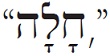 HALOT 1:316). Shanot can either be a plural noun meaning “years” (as in v. 5) or an infinitive form of the verb shanah, meaning “to change.” What is more, when halah is used to refer to an appeal or entreaty, it is normally followed by the preposition pene, meaning “before” or “in the presence of” someone. This preposition, however, does not appear in verse 10. The complexity of these various options gives rise to genuine difficulty in arriving at a definitive translation for this verse, as is reflected in the different approaches of the commentators. But on balance and despite difficulties with the translation, the NIV’s rendering is probably the right one. As Broyles comments, “In view of the striking change that takes place in the psalm’s appeal at this point, the latter rendering [i.e., “To this I will appeal: the years when the Most High stretched out his right hand”] is more appropriate for this transitional verse” (Psalms, 318).