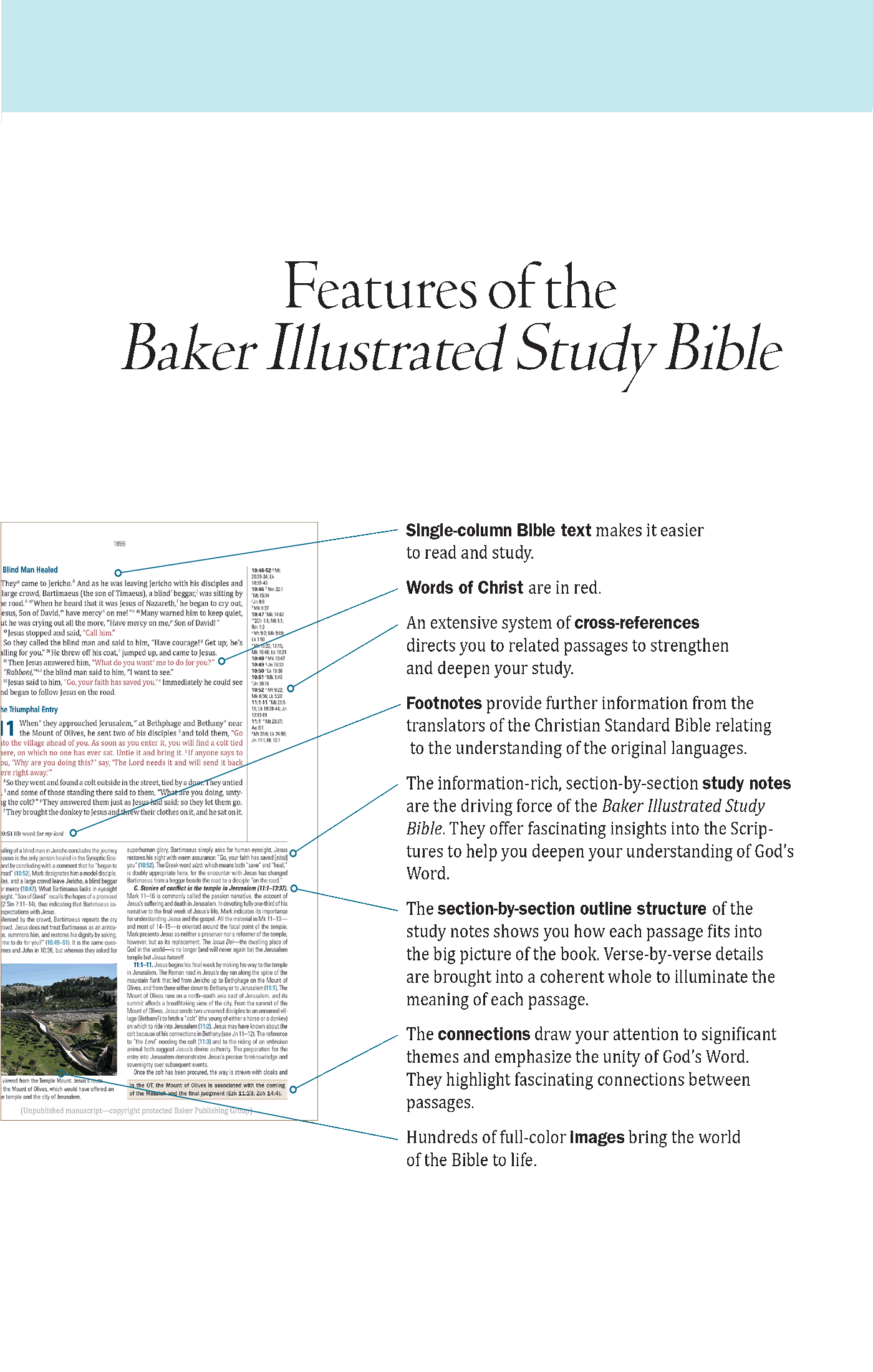
You can explore important concepts in a deeper way through more than 150 articles.
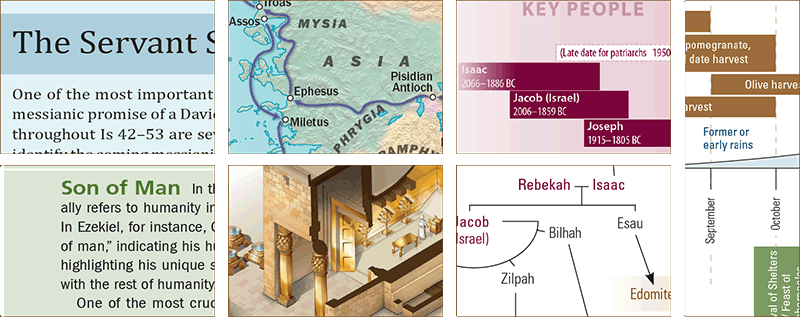
More than 450 clear and accurate definitions of key words provide meaning and background for people, places, and ideas.
More than 100 full-color maps place the action of the Bible in its geographical setting.
Artists’ reconstructions, driven by historical and archaeological study, help you encounter the past in a new way.
Extensive time lines show how key people and events in the Bible connect with one another and with events in the ancient world.
Key family trees help readers track intergenerational connections.
Figures and charts organize key information in a way that is easily understandable.
Other Key Features
How to Read, Interpret, and Apply the Bible is a guide to reading the Bible alertly, interpreting it accurately, and applying it wisely to your life. You will get the most out of your study of the Bible if you are intentional and study with a purpose.
The lists of articles, definitions, maps, figures, and artists’ reconstructions offer a great way to study key concepts and navigate the variety of visual material.
Section introductions for each section of the Bible (the Pentateuch, the Historical Writings, the Poetic Books, the Prophetic Books, the Gospels and Acts, and the Letters and Revelation) explain the ideas that shape each section of Scripture. These will help you understand how a book or set of books fits into the whole story of the Bible from Genesis to Revelation.
Book introductions offer an overview of each book’s message, discuss authorship and key background information, and present an outline of the book’s structure and content. They place each book in its context and help you see how it fits into the unfolding message of God’s Word.
The concordance is an alphabetical guide to key words in the Bible. You can find familiar passages, do word studies, and follow biblical themes that interest you.