Hosea
1. Covenant Unfaithfulness in God’s and Hosea’s Family (1:1–3:5)
A. Problems of Unfaithfulness in the Family (1:1–2:1)
B. Confrontation of Unfaithfulness (2:2–15)
C. God Will Bring Restoration to the Families (2:16–23)
D. Love for the Unlovely (3:1–5)
2. God’s Lawsuit because Israel Does Not Know God (4:1–6:6)
A. Proof that Israel Does Not Know God (4:1–19)
C. Hope: Return and Know God (5:15–6:6)
3. God’s Lawsuit because Israel Does Not Keep the Covenant (6:7–11:11)
A. Proof of Israel’s Lack of Covenant Love (6:7–7:16)
B. Punishment of War and Captivity (8:1–10:15)
C. Hope: God Loves You (11:1–11)
4. God’s Lawsuit because Israel Is Deceitful (11:12–14:9)
A. Proof of Deceitful Ways (11:12–13:3)
B. Punishment of Destruction (13:4–16)
C. Hope: Repent and God Will Forgive (14:1–9)
Introduction
Hosea the Prophet
Hosea’s personal life was most unusual, for it almost appears that he married the wrong woman. His marriage fell apart when his wife became a prostitute, and eventually he had to buy his wife back from enslavement. One wonders how God can use a prophet with this kind of background. Wouldn’t these kinds of personal problems disqualify a person from prophetic service, or was there a good reason why God allowed Hosea to go through these difficulties? Since 1:2 indicates that Hosea and Gomer are symbolic of God’s relationship to Israel, it is evident that God was attempting to teach Hosea, as well as the people he spoke to, a powerful lesson about God’s amazing love for sinful people. God does not give up on people just because they make a mistake; his love is steadfast, he is faithful to his plans, and he is willing to forgive all who repent of their sins.
The book says relatively little about the prophet himself. His father was named Beeri, but no one knows Hosea’s occupation before the Lord spoke to him, how old he was, or even where he was born. He repeatedly refers to cities in Israel (Samaria in 7:1; 8:5–6; 10:5, 7; 13:16; Jezreel in 1:5; Gilgal in 4:15; Mizpah in 5:1; Gibeah in 5:8; 9:9; Bethel in 10:5), and he seems to write in a slightly different Hebrew dialect, so most conclude from this meager evidence that he was born, was raised, and prophesied in and around the Israelite capital of Samaria. He claimed to be a prophet and God’s watchman, but some considered him a fool or an inspired maniac (9:7–8).
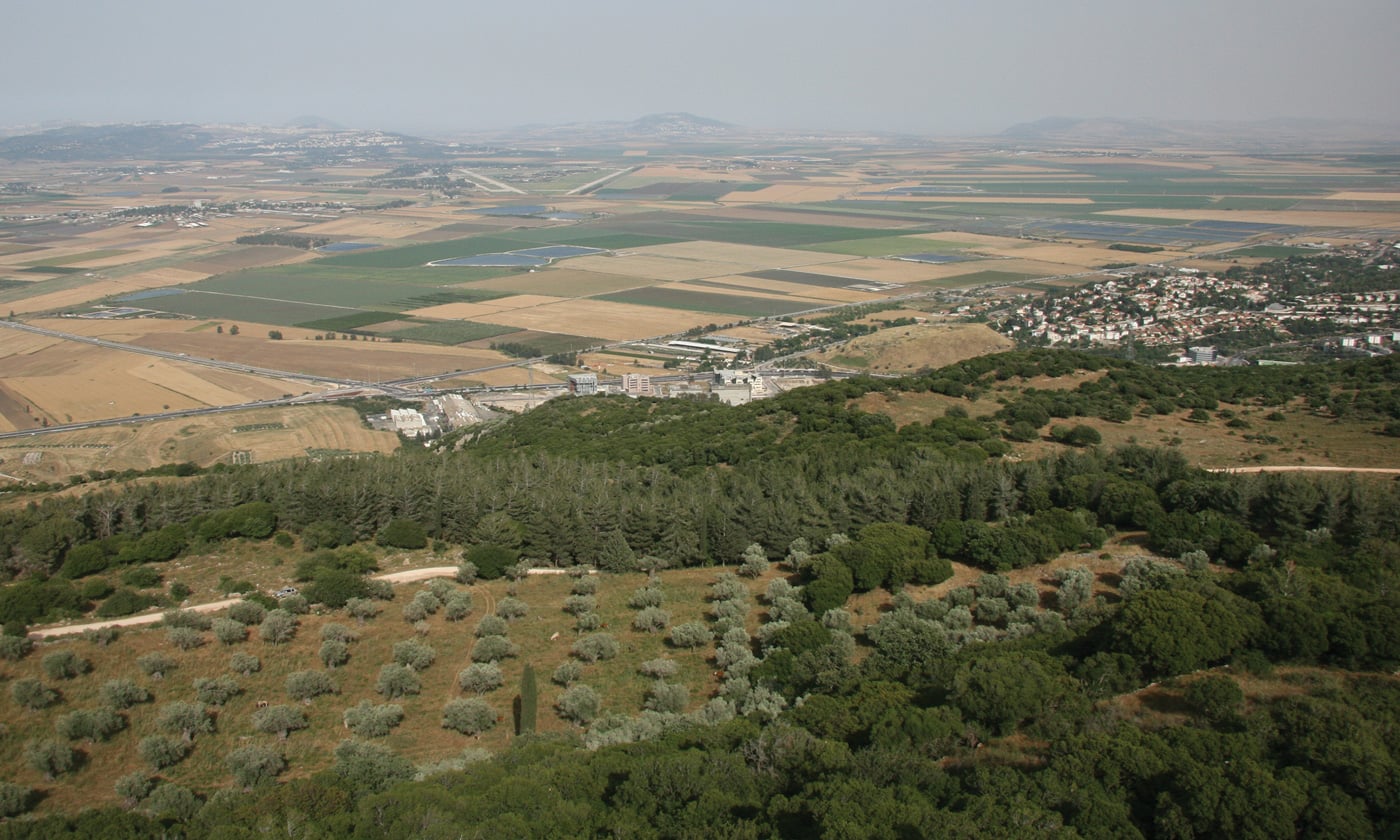
Chapters 1–3 contain information about Hosea’s wife, Gomer the daughter of Diblaim (1:3), his marriage, and his three children, who served as signs of the difficult relationship God had with Israel. In light of all the heartaches and troubles Gomer caused Hosea, it is puzzling why God would ask a godly prophet to marry a “woman of adultery/prostitution” (NIV “a promiscuous woman,” 1:2). Because God never asks any other prophet to marry an impure woman like this, because everyone knows that God does not approve of such sinful activity, and because Gomer was unfaithful even after their marriage, some commentators suggest that these odd instructions and events should not be interpreted literally. Instead they hypothesize that chapters 1–3 report either (1) the spiritual prostitution of Gomer worshiping another god, (2) the report of a dream, (3) the teachings of a parable, or (4) a somewhat risqué drama that was reenacted over and over again in order to teach a spiritual truth. Nevertheless, the narrative report about Hosea’s family reads like other historical events; there is no introductory notification informing the reader that this is just a parable or dream (which happens in other places), and there is no interpretation of this so-called parable. Thus it is best to accept this as an autobiographical account of what really happened in the life of Hosea.
Among those who take a literal interpretation of these events, some hypothesize that Gomer was actually pure at the time of her marriage; but the plain meaning of “marry a woman of prostitution” suggests that Hosea actually married a woman with loose morals who was sexually promiscuous both before and after her marriage. Although people in Hosea’s day may have looked down on him because of his failed marriage, there is no indication that this disqualified him in God’s eyes. At the very beginning when God instructs Hosea to marry Gomer (1:2), God explains the purpose, that Hosea’s relationship with Gomer is to function as an analogy of God’s relationship with Israel. There are in fact some benefits from this experience, for going through the painful events related to his wife’s marital unfaithfulness helps Hosea understand God’s terrible agony over the covenant unfaithfulness of his people. Hosea himself experiences a similar calamity. These difficult times also help Hosea comprehend the enormous depth of God’s love for his sinful people, for Hosea is told to go love Gomer again, even though she was unfaithful after they were married (3:1). No one can read this story without realizing just how horribly destructive sin is (it is like prostitution in God’s eyes). Of course this truth only magnifies the unbelievable greatness of God’s marvelous love for all who are sinners.
Historical Context
Hosea initially ministered in Israel during the time of the Israelite king Jeroboam II (a few years after Amos’s ministry, in 760 BC). The chronological information in 1:1 also indicates that Hosea prophesied in Israel while kings Uzziah, Ahaz, and Hezekiah were ruling in Judah. This means that the second part of Hosea’s ministry in Israel was parallel to some of the years when Micah (1:1) and Isaiah (1:1) were preaching in Judah. Since Hosea never refers to the fall of Israel (721 BC) as something that has already happened, it is safe to estimate that his prophetic career extended from approximately 755 to 725 BC.
This period of Hosea’s ministry falls into three distinct political eras. During the time of King Jeroboam II, Israel was independent and prosperous and had a strong army. With this army Jeroboam II gained control of most if not all of the old Solomonic Empire, as Jonah prophesied he would (2 Kings 14:25; cf. Amos 6:14). Israel received a great deal of tribute from conquered lands and established a wealthy upper class to rule the land and grow the economy of the nation (Amos 3:15; 4:1; 6:1–7). Signs of the prosperity of Israel during these years are found in Hosea 1–3, especially those comments about there being abundant silver and gold, grain, wine, and flax (2:8–9) and great parties at festival times (2:11; cf. Amos 6:1–7). Both Amos and Hosea condemn the wealthy and powerful who have misused the blessings God gave them during the time of Jeroboam II (Amos 5:10–15; 6:1–14; 8:1–6; Hos. 2:8–13).
Later God directs Hosea to prophesy in Israel during the relatively weak reigns of the Israelite kings Menahem and Pekah (2 Kings 15:19–29). During these years there were several political assassinations (2 Kings 15:8–16, 23–25) before the Israelite king Pekah and the Syrian king Rezin formed a coalition to confront the strong Assyrian king Tiglath-Pileser III. When Ahaz the king of Judah refused to join this coalition, Pekah and Rezin declared war on Judah (the Syro-Ephraimite War of 734–732 BC). Instead of trusting in God (Isa. 7:1–10), Ahaz asked the Assyrian king Tiglath-Pileser III for help, and he responded by defeating both Syria and Israel and requiring tribute from them as well as from Judah (2 Kings 15:29; 16:8; 2 Chron. 28:20–21). These events are reflected in the messages in Hosea 4–11. Hosea predicts God’s coming judgment on Israel (5:1, 14) and then warns of the blowing of the trumpets to rally the Israelite troops for war (5:8–11; 8:1, referring to either the Syro-Ephraimite War or the Assyrian attack on Israel). Hosea warns the nation about a future military defeat, but there is no evidence that the people of Israel accept his message and repent. These must have been very difficult years for Hosea to minister in Israel. The economy, political stability, and social order were falling apart, and few were interested in the things he was preaching about.
The final era of Hosea’s ministry coincides with the reign of Hoshea, the last king of Israel (2 Kings 17:3–6). Hoshea tried to survive politically by making secret alliances with both Assyria and Egypt (2 Kings 17:4), but when the Assyrian king Shalmaneser got wind of Hoshea’s political deception, he invaded the land of Israel and besieged the capital city of Samaria. The next ruler, Sargon II, completed the conquest of Samaria in 721 BC and took thousands of Israelites into captivity in Assyria. Hosea was aware of Hoshea’s political duplicity (8:9; 9:3; 12:1) and called the nation to repent or face the wrath of God. It appears that Hosea’s prophecies end sometime before the defeat of Samaria and the exile of the people of Israel in 721 BC, but there is no information about whether Hosea was killed in this final battle, fled for safety into Judah sometime before the final battle, or was exiled with those who survived this conflict.
In many ways the social and economic situation in the northern nation of Israel mirrored the political situation. When Israel was strong in the days of Jeroboam II, the economy of the nation was flourishing (2:8–9, 11). During these years a strong social distinction developed between the wealthy upper class and the poor, oppressed lower class. In the second period of Hosea’s ministry great political and economic instability engulfed the nation after the assassination of several Israelite kings and the failed attack on Judah in the Syro-Ephraimite War. The rise of the Assyrian king Tiglath-Pileser III brought great economic and social harm because Israel lost many people in battle, had fertile crops destroyed and barns raided by troops, and had to pay heavy tribute to Assyria after the war. Violence increased (4:2; 6:8–9; 7:1); God put a curse on their crops (9:2); and the general population suffered greatly (10:14–15). These conditions continued in the final years of Israel during the reign of Hoshea; God was allowing the nation to fall apart (13:15–16) because of her sins.
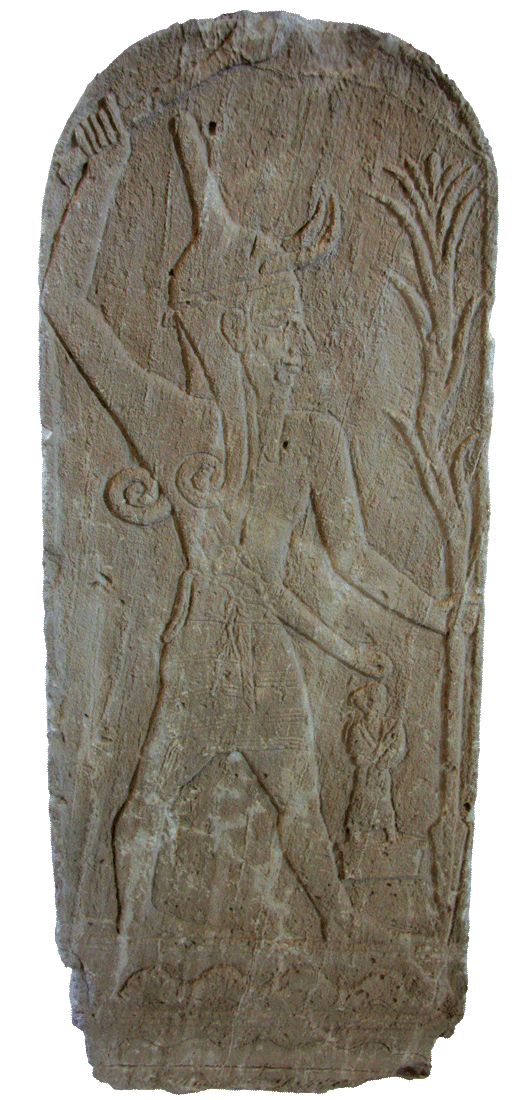
A stele showing Baal with a thunderbolt (Ras Shamra, Late Bronze Age)
The Message of Hosea
The prophet Hosea focuses a good deal of his attention on the religious life of the people. Since the time of Ahab and Jezebel the nation of Israel was dominated by the worship of the Canaanite fertility god Baal (1 Kings 16:29–33). Although there were Israelite temples at Dan and Bethel, where Yahweh, the God of Israel, was worshiped in the form of a golden calf, Hosea condemns these practices as a perversion of true worship (8:5–6; 10:5; 13:2). Eventually the nation’s worship of Baal and Yahweh became so intermixed that some people thought that these were just two different names for the same God, so they would call Israel’s God by the name “my Baal” (2:16; see NIV note). Baal was the god of fertility who in Canaanite mythology would bring the people rain, fertility, and prosperity. Many were deceived into participating in the activities at these Baal temples because they wanted to become prosperous. Some mistakenly thought that Baal had given them abundant harvests of wine, oil, grain, and wool, so they gave their sacrifices and praise to Baal instead of Yahweh (2:8). Therefore, God decided to take away their material blessings (2:11–13) in order to bring an end to their false worship.
Hosea’s sermons deal with three central issues brought on by this inappropriate Baal worship. First, the people do not really know God (4:6; 5:4; 6:3, 6) because the priests have not been teaching from the Scriptures (4:6) and because the people do not distinguish between the worship of Baal and Yahweh. Second, the people display no steadfast loyalty to the covenant God made with the nation but break the covenant in many different ways (8:1, 12). Instead of loving God with all the heart and fearing only him (Deut. 6:6; 10:12), they trust in alliances with foreign nations for their security (7:8, 11) and in their armies and fortresses (8:14; 10:13–14). Third, the people are not truthful in their relationship to God but are deceptive, just as their great forefather Jacob was (11:12–12:4). Like a wife who deceives her husband and loves two men, the Israelites claim one thing but actually do something else.
As the prophet Hosea addresses each of these issues, he structures his presentation on the general pattern of an ancient Near Eastern court case at the city gate. Just as a husband might accuse his wife of unfaithfulness, God brings a covenant lawsuit against Israel because she has been unfaithful to the covenant with God. The goal of this confrontation is to force the guilty party, Israel, to recognize her failures so that she might turn from her wicked ways and restore her covenant relationship with God. In order to do this, (1) God presents a series of accusations that describe the unfaithfulness of his people; (2) God presents a series of warnings and threats about the punishment he will inflict on the nation; and then (3) God offers the people the hope of restoring their covenant relationship with him if they will repent and turn back to him (6:1–3; 11:1–11; 14:1–9).
Authorship
Some critical commentators question if Hosea authored everything now found in the book of Hosea, suggesting specifically that the verses related to Judah (5:10, 14; 6:11; 8:14; 12:2) and the affirming promises of hope and restoration (1:10–11; 2:18–23; 6:1–3; 11:1–11; 14:1–9) were added by later editors to give Hosea’s prophecies a more positive tone. Since most prophetic messages offer both negative warning of divine judgment and promises of hope for the future, the reader should not assume that Hosea was incapable of using hopeful promises as an effective tool to persuade his audience to turn back to God. The references to Judah indicate that the problems Hosea addressed were not problems that existed only in Israel; these were problems that also existed in Judah.
Literary Features
Hosea often legitimates his statements by alluding to earlier traditions in the Pentateuch (the books of the Law) or in other prophetic texts. For example, in 11:8 he mentions the destruction of the cities of Adam and Zeboyim (see Genesis 18–19), in 8:13; 9:3; 11:1, 5; 12:9 the exodus from Egypt (see Exodus 14–15), in 4:2 several of the Ten Commandments (see Exodus 20), in 2:15 Achan’s sin at Jericho (see Joshua 7), in 12:3–4 the deceptive ways of the patriarch Jacob (see Genesis 25–35), and in 1:4–5 the story of Jehu’s murder of Ahab’s sons in the Valley of Jezreel (see 2 Kings 9–10). Hosea is explaining that God’s actions in Hosea’s day are similar to what God has done in the past and that many of Israel’s sins are similar to the wicked things people did in the past. This emphasizes the need to break with their past sins in order to avoid another divine judgment.
Hosea expresses his messages in quite unique ways. He is very bold in his use of imagery of sin, of God’s action, and of the future hope of the nation. He imagines God as a lion or a leopard (5:14; 13:7) or as a pine tree (14:8), or acting like rot or pus (5:12); Israel is compared to a stubborn heifer (4:16), an oven (7:4–7), wild grapes (9:10), a silly dove (11:11), or smoke (13:3), and her loyalty disappears as quickly as the dew (6:4). Hosea’s imagery is initially somewhat shocking because it is so unusual, but his overall aim was to get his Israelite audience to understand how seriously God took their sinfulness. These images, and especially the picture of God and Israel as marriage partners (similar to Hosea and Gomer), enabled Hosea to present the problem of covenant unfaithfulness in a practical way that common people could understand. The emotional idea of an unfaithful wife, the shame this would bring to the family, and the loving expression of God’s willingness to take his unfaithful partner back were moving emotional images that helped Hosea’s audience understand how serious God viewed their sins to be. God was very angry at Israel’s unfaithfulness and deceptive ways, but he also had a deep, abiding love for his people.
Theological Themes
In spite of the emotional tone of the book and the shocking imagery, the theology of Hosea’s message is fairly straightforward and easy to understand. God has a covenant relationship with the people of Israel. God loves his people and has promised to bless them, but they must love God and be faithful to their covenant commitments. Hosea presents evidence throughout the accusation sections of the book that the people of Israel have failed to be faithful in their exclusive covenant love for God; they have acted like a prostitute by loving another god (Baal, 4:11–14). They do not even seem to know the difference between God and Baal (2:16), seem uninformed about God’s law because the priests do not teach it (4:5–6), and are so steeped in their adulterous ways that it is almost impossible for them to repent and turn back to God (4:5). Nevertheless, God loves his people and wants them back, so he confronts them with their sins and makes them aware of the serious consequence their sin will have on their relationship to God. If they will repent of their sins, God will forgive them (14:1–7). Then they will again be his people (1:10–2:1), he will give them one king (the Messiah, 3:5), and God’s rich blessings will be poured out on them when he establishes his final kingdom (2:16–23).
All these words are messages that come from the Lord through the prophet Hosea. On several occasions in the narration of chapters 1–3, the prophet inserts into the story words like, “the Lord began to speak through Hosea” (1:2) or “the Lord said to Hosea/me” (1:4, 6, 9; 3:1) in order to assure the reader that these unusual events have been commanded by God. The poetic sections in chapters 4–14 begin with the similar introductory clause, “hear the word of the Lord” (4:1). God’s point of view remains consistent throughout the poetic messages in chapters 4–14, for whenever Hosea uses first-person terminology (“I, me, my”), his words represent the things that God wants Hosea to communicate to his covenant people.
Commentary
1. Covenant Unfaithfulness in God’s and Hosea’s Family (1:1–3:5)
A. Problems of unfaithfulness in the family (1:1–2:1). The superscription in 1:1 verifies that Hosea received a divine revelation from God in the reign of Jeroboam II and during the reign of several Judean kings, basically from about 755 to 725 BC. Hosea records no dramatic call like Isaiah or Jeremiah (Isaiah 6; Jeremiah 1); his ministry simply begins when the Lord speaks to him concerning marrying Gomer (1:1–2). This paragraph can be divided into two parts. In the first part, Hosea marries Gomer, then Gomer’s three children are given symbolic names. In the second part, God explains how the negative implications of the children’s names will be reversed at some point in the future.
First, God instructs Hosea to marry the promiscuous Israelite woman Gomer (1:2–9). Although people today may view this command as somewhat inappropriate or a detriment to the prophet’s ministry, one should not try to rescue Hosea’s reputation by interpreting this story as a parable or a dream. There is no doubt (see 1:2) that God wants the marriage of Hosea and the adulterous Gomer to represent God’s covenant marriage with adulterous Israel. Hosea does not express any opposition to this instruction; he accepts God’s direction and follows it even if it may seem a little odd. Remember that God also asks the prophet Ezekiel to illustrate God’s message to his generation of exiles by lying on one side for 390 days and then on the other side for 40 days. God also instructs Ezekiel to cut off all his hair with his sword (Ezekiel 4–5), and he tells Isaiah to go naked for three years (Isa. 20:1–4). All of these unusual sign acts effectively communicate God’s truth to audiences that are too stubborn to listen to any “normal” or traditional presentation of God’s word.
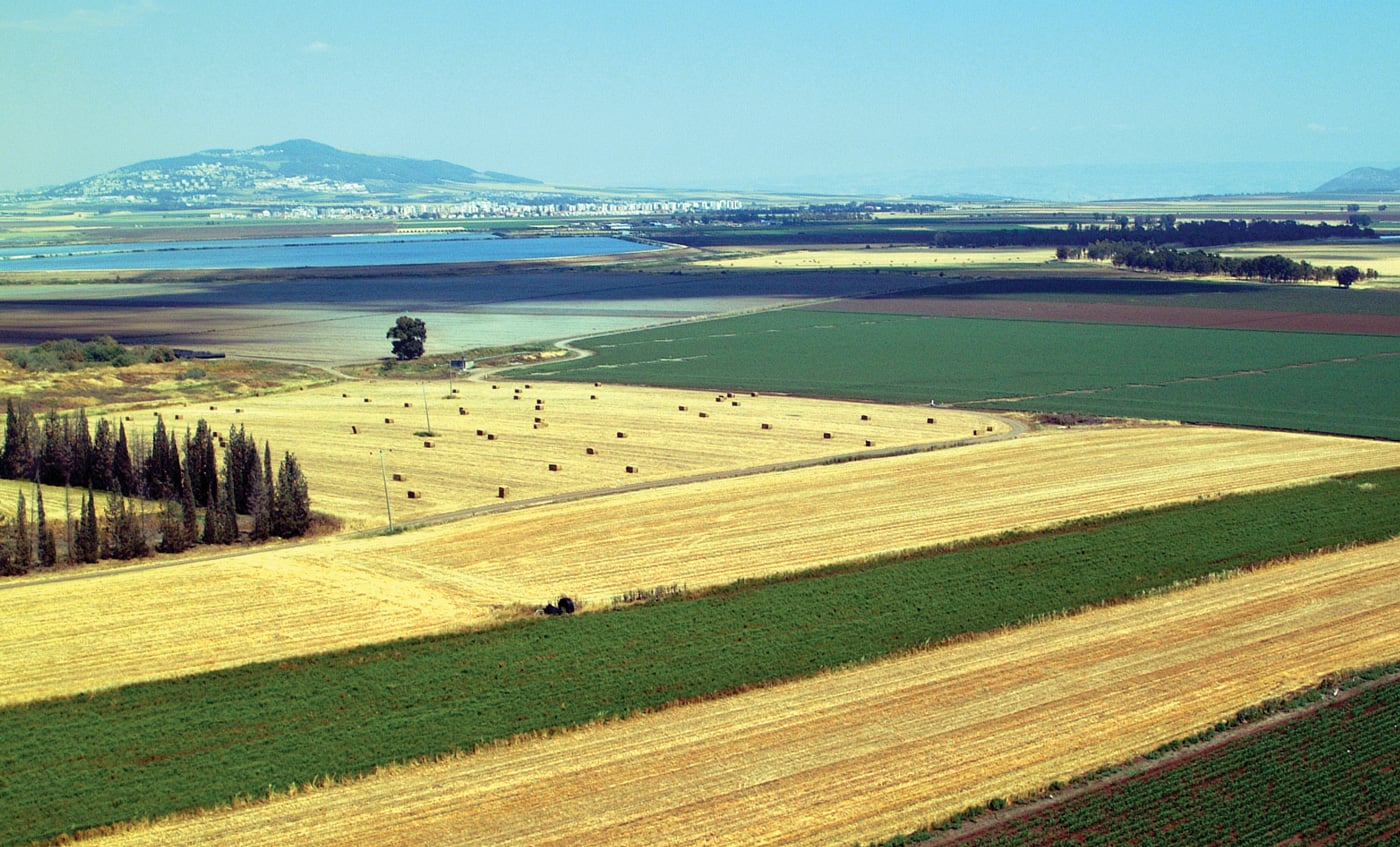
The Valley of Jezreel, after which Hosea’s son Jezreel is named (Hos. 1:4–5)
The first child of Hosea and Gomer is a boy (1:3). God tells them to name the boy Jezreel because this will remind people of the massacre that King Jehu carried out many years ago in the Valley of Jezreel. When Jehu became the king of Israel, he killed all the sons of the wicked ruler Ahab and his wife Jezebel in the Valley of Jezreel (2 Kings 10:1–10). God approved the removal of this wicked family from power (2 Kings 10:30), but now the descendants of Jehu (meaning Jeroboam II) are no better than the children of Ahab. Hosea’s son will symbolize what God is about to do in bringing an end to the rule of the sons of King Jehu, for God will break their military power, represented by the bow in 1:5. In practical terms the ending of the line of Jehu means that Jeroboam II and his son Zechariah will soon die (2 Kings 14:28–29; 15:8–10). The second child that Gomer has is a girl (1:6; the text does not say she is Hosea’s child), and God instructs Hosea to name her Lo-Ruhamah, “No Compassion” (NIV “not loved”), because God will not have any compassion on the people in the nation of Israel. God will still have compassion on Judah and forgive them; it will be God’s grace that delivers them, not the strength of their army. The third child Gomer has is a son (1:8; again the text does not say if Hosea is the father), and they name him Lo-Ammi, “Not My People,” because the people of Israel are no longer acting like God’s beloved covenant people.
This paragraph ends (1:10–2:1) with a surprising and astonishing complete reversal of the meaning of the names of the three children. How this change will come about is not really explained in these verses, but it will be an unbelievable act of divine grace. There will be a change in the relationship between God and his people. Apparently this will happen because of God’s great love and because it is God’s will. Although all three names initially represent God’s curse on his people, which threatens to end the relationship between God and Israel, there will be a day sometime in the future when God will bless his people and fulfill his promises to Abram by multiplying their numbers to equal the sands of the sea (cf. Gen. 22:17; 32:12). This assures the listeners that the present judgment of God will last only so long. Later God will revive the nation in the land of Israel, multiply them exceedingly, have compassion on them (calling them “Compassion”), take them back as his own people (calling them “My People”; see 2:23), and gather Judah and Israel together under one ruler. This sounds like a promise of the future messianic kingdom of God. This will be the positive day of Jezreel (meaning “God sows”), when he plants his own people back in the land he promised them.
B. Confrontation of unfaithfulness (2:2–15). In order for God to reestablish a normal relationship with his people, there will need to be some dramatic changes in the hearts of the people of Israel. Initially chapter 2 appears to be a divorce court scene where Hosea is talking to his children about confronting their sinful mother Gomer, but after a few verses one realizes that the confrontation is not just about Hosea and Gomer; the text is also talking about God’s confronting the sons of Israel. Although the marriage relationship is severely threatened by spousal unfaithfulness and prostitution, the major focus is on Hosea’s and God’s parallel attempts to get back their unfaithful partners. In order for the partners to fully renew their love relationship, the unfaithful spouse has to know how serious the situation is and must change her ways.
Several steps are taken to help the sinful spouse move forward in this restoration process. First, family members confront her about this serious problem. Then the husband proclaims that she is not acting like his faithful wife (2:1), a statement that reveals how destructive the situation is. She is exhorted to reject the lifestyle and look of a promiscuous woman. The threat to strip Gomer bare would be an act of shaming and humiliating her before the public, just as God’s curse of stripping the land bare of all fertility and turning it into a dry desert would humiliate his people Israel and expose their shameful dependence on the useless power of the fertility god Baal. These wives must realize that they have acted in unfaithfulness to their covenant relationship and have done a very disgraceful thing. If the unfaithful wives weaken their resolve or are tempted to return to their old ways, their husbands will symbolically hedge their wives in to protect them from these other lovers (2:5–6). Some in Israel may have thought their lovers (other gods) would provide fertility for her crops, but it was actually God who sent the rain. If these Israelites find out that these false gods do not provide prosperity and fertility, then they will return and stay with their rightful husband. Therefore, to combat this misunderstanding God will remove all fertility, end all Baal festivals, expose Israel’s foolishness, destroy her crops, and punish her for the days she worshiped Baal, who will be proven powerless; therefore, Israel will finally realize that Yahweh is the God who provides all her needs (2:8–13).
After Israel has realized the impotence of Baal, God will win his wife back. Using bold sexual imagery of wooing, God explains his plans to whisper in her ear words of love so that Israel will know how much he cares for her (2:14). This will be a repetition of what God did in the past when he cared for his people in the wilderness of Sinai (Deut. 8:1–8; Jer. 2:2). Then Israel will respond positively like she did at the time of the exodus, when she sang about God’s greatness (see Exodus 15). This implies a renewal of the covenant relationship originally confirmed at Mount Sinai. Then God will pour out his abundant covenant blessings and reverse the curse on the people resulting from Achan’s sin (Joshua 7) in the Valley of Achor (meaning “valley of trouble”) and turn their dwelling place into a blessed door of hope for the future.
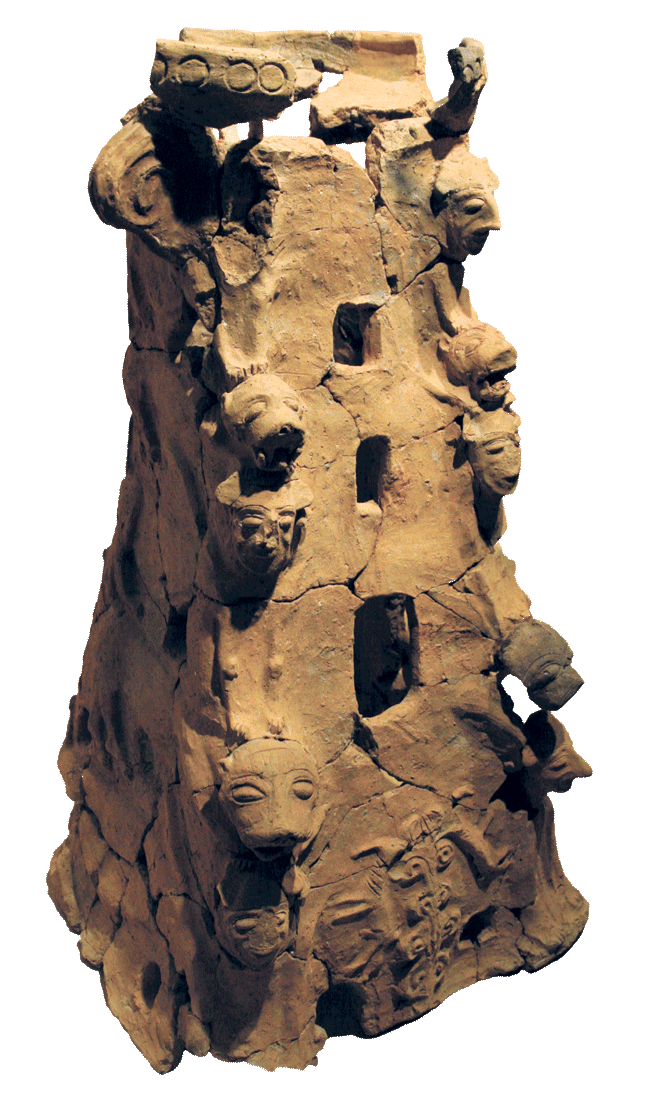
The Lord condemns Israel for burning incense to Baal (Hos. 2:13; 11:2). Censers such as this terra-cotta stand were used to burn incense to the gods (Taanek, thirteenth–twelfth century BC).
C. God will bring restoration to the families (2:16–23). This paragraph has three “in that day” promises (2:16, 18, 21), which refer to the eschatological things God will accomplish for his people in the distant future when he establishes his kingdom on earth. These verses expand on the positive promises that were already introduced in 1:10–2:1. First, the people will no longer confuse the title “my husband,” which belongs to God, with the name of the pagan god “my Baal” (Hebrew baal means “master” or “husband”); in fact, the god Baal will be so irrelevant to the people of Israel that his name will never be mentioned again (2:16–17). Second, “in that day” God will transform nature by making a covenant of peace between all people (there will be no war) and between people and animals (cf. Isa. 11:6–9). This suggests a return to a precurse setting like the Garden of Eden. God will also renew his wedding vows of commitment with his people because he is a God who relates to his people on the basis of justice, love, faithfulness, and compassion (2:18–20). Third, “in that day” God’s power will cause the sky to rain and the ground to produce crops abundantly; thus, all that was taken away through God’s judgment because of sin will be restored through these blessings. At that time God will sow or plant (playing on the meaning of Jezreel, “God sows”) his people in the land; he will have compassion on the people who were formerly called “No Compassion” (NIV “Not my loved one,” 2:23). He will say to his people, “You are my people,” thus reversing the curse of the earlier names of Hosea’s children. Then the Israelites will also proclaim, “You are my God,” indicating a restoration of the covenant relationship between God and his people (2:21–23).
D. Love for the unlovely (3:1–5). Although God’s positive plans for Israel are already known (2:14–23), this paragraph helps one appreciate that a high price was required in order to bring about this change in God’s and Hosea’s families. The story provides no information about when this occurs, but God speaks directly to Hosea, telling him that he should show his love to his adulterous wife, even though another man loves her (3:1–3). This act will mirror God’s deep love for adulterous Israel, who has been following other gods. This means that Hosea will have to buy Gomer, almost like having to pay a second bride-price for the woman who is already his wife. Apparently this is necessary because she is indebted to another man, possibly as his slave. Although one wonders about Hosea’s emotional response to this news, the story is only interested in affirming that Hosea graciously pays the price to free his wife of this debt so that he can live with her. It is impossible to evaluate the fair value of the goods that Hosea pays, for the price relates more to her debt than to her value as a slave. Hosea does set down some restrictions on Gomer’s activities in order for them to restore their relationship. There is no reference to any punishment on Gomer or any comments about how their reunion goes, but Hosea does require that she stop all contact with her past sinful ways, thus restricting her from seeing other men. Hosea’s action is in some ways parallel to God’s dealings with Israel (3:4–5). Israel will be in exile for some time without a king or the ability to offer sacrifices (because the temple will be destroyed), but then at some point in the future God will return his people to their land, where they will reestablish their covenant relationship with God and have a Davidic Messianic king ruling over them (cf. 2 Sam. 7:11–16). This assures the audience that God’s promise to establish a king on the throne of David forever will be fulfilled.
2. God’s Lawsuit because Israel Does Not Know God (4:1–6:6)
A. Proof that Israel does not know God (4:1–19). This new section was likely presented to the people during the reign of Pekah, either just before or during the Syro-Ephraimite War (5:8–9). It appears that the people of Israel do not realize just how terrible their sins are or how their sins have made it impossible to maintain their covenant relationship with God, so Hosea explains the seriousness of this matter by presenting God’s case against his unfaithful people in an imaginary court of law (4:1–3). In such a context the evidence can be fairly and fully presented and evaluated by a judge, and God can produce an unbiased verdict. God’s initial charge is that the people of Israel do not know him and do not acknowledge him as their God. This has happened because the priests have not faithfully taught the covenant law of God to the people (4:6). They have forgotten to teach the people the words of God in the law of Moses. Consequently, the people are ignorant of the requirements of their covenant relationship with God. Instead of correcting the sinful people, the priests relish the people’s involvement in various acts of wickedness (4:8).
Second, the worship of the Israelites is characterized by excessive drinking of wine, sacrificing at open-air Baal temples, worshiping wooden idols, and sacred prostitution by both men and women (4:10–14). This is not the kind of worship that God ordained in Leviticus; it is the kind of sexually perverted pagan worship widely practiced at Baal temples. The people should not participate in such worship, but both the men and women who are involved with these activities are so stubborn (like a stubborn heifer) that it is difficult to change them. They are so devoted to their idols, wine, and prostitution that they do not understand the seriousness of their sin. They seemingly cannot bring themselves to change and turn back to God (4:16–19). God rejects the priests and this vile worship by the people, for it will lead to their shame and destruction.
B. Punishment of war (5:1–14). In God’s verdict against the nations, he holds the political leaders (the kings) and spiritual leaders (the priests) responsible for this terrible situation in Israel (5:1–7). They have allowed evil things to continue; in fact, they themselves are partially responsible for ensnaring the people at the pagan worship sites of Mizpah and Tabor, failing to stop the sacred prostitution going on at various temples, and refusing to acknowledge the true God as the only one worthy of worship. Because of their arrogant attitudes, a perverse spirit of prostitution controls the people. Because the leaders have so frequently repeated these acts of unfaithfulness to God, it is almost impossible for them to return to God (5:4–7). God will discipline them for these things, for he knows exactly what they have been doing. Things are so bad that if one might try to seek God by sacrificing a sheep, they will not find him; God has withdrawn from them because of their terrible sinfulness (5:6).
Consequently, the army trumpets will soon blow, and the nation will be at war (probably some part of the Syro-Ephraimite War in 734–732 BC and its aftermath). Israel will be laid to waste when God pours out his wrath on his people, and Judah will suffer too (5:8–14). No hope is given to Israel; instead, it is absolutely certain that Israel will be defeated when God’s wrath falls on them. It will be futile at this time for Israel to turn to Assyria for help (5:13), for God will attack both Israel and Judah like a fierce lion. He will rip them apart and carry some of them off into exile, and no one will be able to rescue them from his powerful hand (5:14).
C. Hope: Return and know God (5:15–6:6). Although the future seems certain and tragic, God surprisingly offers the possibility of hope if the people will admit their guilt and turn to seek him. God will allow them some time, so that they will come to the point where they are willing to confess their sins, want to know God, and long to experience his healing (5:15). They must earnestly seek God, acknowledge who God is, and desire to know him so that they can experience the material and spiritual blessings of his coming. Although God wounded them in the past, they can be sure that he will revive the wounded if they seek God. God will leave a blessing (rain and fertility) for his people, but they must first come and return to him (6:1–3). Immediately after this offer of hope is God’s sad, lamenting response (6:4–6), indicating that relatively few people actually pray the prayer of repentance in 6:1–3. What can God do if the people do not respond to his offer of restoration? God has warned them and punished them, but nothing seems to work, for their covenant loyalty lasts about as long as the dew on the ground. They do not take God’s severe judgment seriously, suggesting that they just do not understand that acknowledging God as their Lord is far more important than the ritual of offering sacrifices (6:6).
3. God’s Lawsuit because Israel Does Not Keep the Covenant (6:7–11:11)
A. Proof of Israel’s lack of covenant love (6:7–7:16). The second part of the covenant lawsuit discusses a second major charge against Israel. They have not been steadfast or consistent in their expression of covenant love to God. Hosea describes several ways in which the nation’s actions demonstrate that they have not truly loved God with all their heart and soul.
First, the priests, who are supposed to live holy lives, have been unfaithful in demonstrating their love for God; they break God’s covenant by murdering people in ambushes and promoting shameful acts of prostitution that defile the nation (6:7–10).
Second, although God wants to show his love by bringing restoration and healing to his people, this is impossible because their sinful deeds, such as deceit and robbery, have made them callously indifferent to God’s love as well as his plan to judge their sins. Thus God must bring judgment instead of restoration (6:11–7:2).
Third, the kings and princes of Israel plot and scheme by deceit to overthrow one another (cf. 2 Kings 15). At one point they will appear to be a friend, and in the next moment they are ready to get involved with plots to assassinate the king (7:3–7). They are politically unfaithful (thus adulterers) and liars; like an oven, they get hot with passion and drunk with wine. So at a time when the king is supposed to be honored and people are supposed to be enjoying a festival, they join evil companions in talk about how to overthrow the reigning king. While all this is happening, no one ever bothers to consult God to see what his will is on these very important matters.
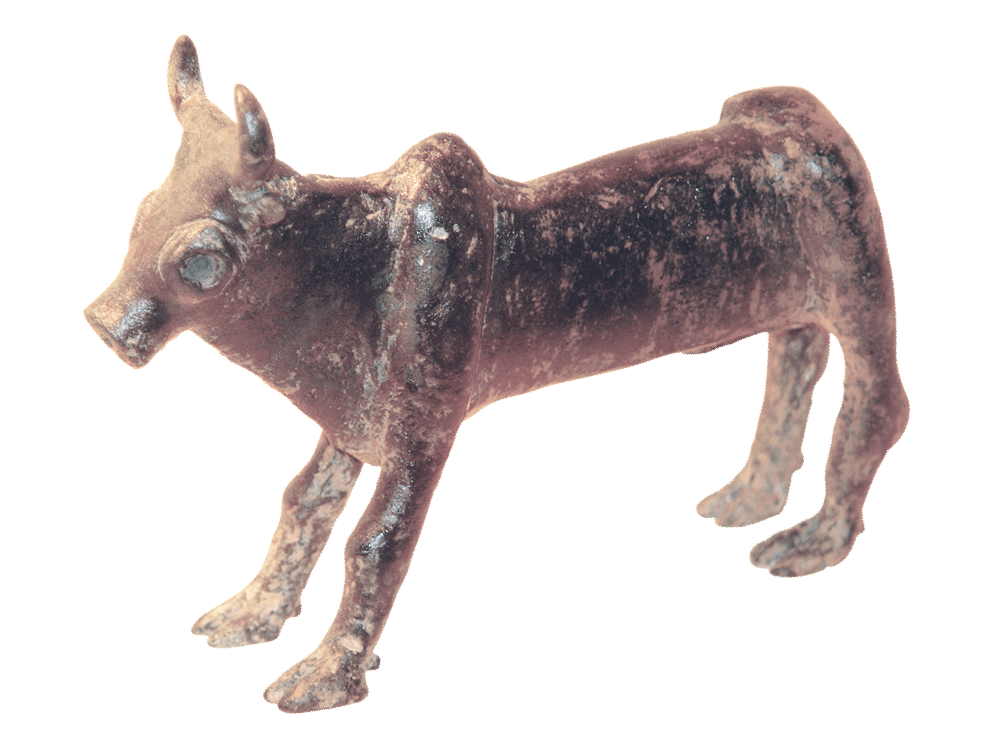
Hosea 8:5 says, “Samaria, throw out your calf-idol!” This bull statuette is from Samaria (second half of second millennium BC).
Fourth, instead of trusting God to protect them and defeat their enemies, Israel makes military alliances (7:8–12). These foreign alliances sap the strength of the nation, for such arrangements require tribute, a reduction in freedom, and many moral compromises. Although people may not realize the danger of these political arrangements at first, just like the slow process of the graying of a person’s hair (7:9), these alliances will gradually undermine the integrity and purity of the nation of Israel. Unfortunately the arrogance of the leaders will not allow them to admit their mistakes and turn back to trusting God; instead, they senselessly act like an indecisive dove by making alliances with one nation (Egypt) after another (Assyria). God will soon stop this silly dove’s behavior by capturing it.
Finally, God laments the coming destruction of his people, who have strayed from giving their love to God (7:13–16). God laments because he has done everything he can (he trained them, made them strong, and redeemed them) to get these people to maintain their covenant faithfulness to him, but they have repeatedly rebelled, spoken lies about God, ignored God, and refused to depend on him. It seems like they are plotting against God, trying their best to undermine everything he wants them to do. If they continue in this way and do not turn upward to call on God, they will end up being destroyed in war, their kings will be killed, and other nations (like Egypt) will ridicule them for their political blunders.
B. Punishment of war and captivity (8:1–10:15). 8:1–14. This chapter describes how Israel’s sinfulness is leading to the coming destruction of the nation. In the first section (8:1–7), the prophet Hosea indicates that God will bring a devastating war on Israel because they have worshiped a golden calf and because they have been politically unfaithful in their covenant relationship with God. The political judgment in 8:1 may refer to the attack of their enemy Assyria, which brought an end to the Syro-Ephraimite War. The stipulations within God’s covenant describe how Israel, God’s covenant partner, is to relate to foreign nations in the political sphere, how people are to treat one another within just social relationships, and what people are to do to maintain their relationship with God. Although some have said that they acknowledge God and his covenant (8:2), in reality they have rebelled against almost every commandment in the law. In the area of politics, the Israelites anoint kings that God did not choose (8:4; cf. 2 Kings 15), but in the sphere of worship they make man-made idols of gold, such as the golden calves at the temples in Bethel and Dan (1 Kings 12:26–29). Since the Canaanite god Baal was pictured as a bull calf, it was easy for them to confuse the golden calf image of Yahweh from their exodus experience (Exod. 32:4) with the calf image of Baal. God’s anger burns against the people of Israel for these sins; therefore, God will destroy these calf idols, which are not even real divine beings. The Israelites have sown sinfulness, so they will reap the rewards of their terrible sinfulness. The people have sold themselves to alliances with pagan nations and have become like an unclean or impure vessel (8:8). Although the Israelites might think that these political alliances will save them, God will cause all these alliances to weaken the nation because they will require the burden of paying a heavy tribute in taxes.
The prophet Hosea also condemns Israel’s worship of God with sacrifices (8:11–14). Instead of worshiping at the one true temple in Jerusalem, the Israelites have multiplied altars for giving sacrifices throughout the country. Most of these are pagan altars, so instead of appearing more devoted to God, the people actually have become more sinful. Since they have adopted the Canaanites’ rituals and their theological concepts of morality, many of the Israelites totally ignore God’s laws (8:12; cf. 4:6). In fact, God’s laws about sacrificing (Leviticus 1–5) seem very strange to them. When the people do not follow the ritual instructions in Leviticus, the sacrifices that are supposed to be a sweet-smelling savor that pleases God (Lev. 1:9, 13, 17) become repugnant. Consequently, God will punish these people for their sins and take away their political independence, for these people have strayed so far away from God that they do not even know that it was God who created the nation of Israel many years earlier in Egypt (8:14a). The life and material security of the people in Judah and Israel are all wrapped up in their wonderful palaces, and their trust is founded on the strength of their well-fortified cities, but God’s plan is to take away all of these false securities when he brings the fire of war on these cities and destroys everything in them (8:14b).
9:1–17. In another attempt to persuade his audience to repent and turn back to God, Hosea tells a group of people at harvest time that God will soon bring an end to the joyous harvest festivals in Israel (9:1–9). Instead of being a time to rejoice and praise God as they used to be (Deut. 16:14–15), the Israelite festivals reflect the influence of pagan festivals. The introduction of sacred prostitution into the festivals demonstrates that the people love Baal, the fertility god who they claim has brought fertility to their crops, more than they love Yahweh, the God of Israel. In order to demonstrate to the people that Baal does not bring prosperity, God will take away all fertility so that the nation will have poor harvests (9:2). Then God will send them out of his land and into the lands of Egypt and Assyria, where they will have to eat unclean food. In these pagan lands they will not be able to sacrifice to God. They will not be able to please or appease God; they will be defiled. So what will happen on future festival days that were designed to honor God? The people will not celebrate these days but will suffer desolation, live and die in Egypt, and not be able to enjoy all the things that silver and gold used to buy them (9:6). Hosea closes the first half of this chapter with a final reminder that the time of divine retribution is close at hand. Although some people think Hosea is a fool or a madman for saying these things, the truth is that he proclaims these messages simply because of the sinfulness of Israel (9:7–8).
The rest of the chapter compares two examples of past sins with the present situation in Israel (9:10–17). The first example begins back at the joyous time when God first found Israel’s forefathers (9:10–14). They were wonderful, like sweet, juicy, fresh grapes at the beginning of the harvest season (cf. Isa. 28:4). But some years later, while the Israelites were passing through Moab, some of their forefathers got involved with the shameful events at Baal Peor (Num. 25:1–8), which resulted in the death of about twenty-four thousand people. Elsewhere Hosea accuses his audience of worshiping Baal, the god of fertility, so it is not surprising for him to suggest that the nation’s glory will pass away, women will no longer get pregnant, and those children that are born will die. God’s curse (Deut. 28:18, 41) will fall on the nation when God departs from them and no longer protects them. The people of Israel initially had a great advantage (comparable to the advantage of the people of Tyre), but soon they will be killed in a terrible war. Because of this terrible destiny Hosea sorrowfully prays for God to bring his just judgment and remove his blessings of fertility and many children (9:14).
The second example refers to Israel’s sins at Gilgal (9:15–17). It is not clear what the sin was, but it is related either to the pagan place of worship there (4:15; 12:11; Amos 5:5) or to the fact that Saul was anointed king there (1 Sam. 11:15). Thus the terrible thing that God hates could relate to the political or to the religious institution at Gilgal. The punishment is harsh. God will drive these people out because he does not love the rotten fruit they produce. They will have no children and will suffer under God’s curse. Like verse 14, verse 17 ends this example with a prayer that agrees with God’s just decision to cast Israel out of the land and make them fugitives in exile. Under God’s curse the nation has no hope and no prophet to intercede for them.
10:1–15. The last major sermon in this punishment section is divided into two paragraphs. First, Hosea reminds his audience that because of their sins God will destroy all the detestable altars where the people worship (10:1–8). Hosea compares Israel to a vine that has produced much fruit, because for many years they were a prosperous nation. But the richer the people became, the more they built pagan altars and standing stones that represented pagan gods. Therefore, God will destroy all these pagan altars and standing stones to stop this unfaithful worship (10:1–3). This may be a prophetic prediction of the final fall of the nation in 721 BC. Verse 3 contains a quotation of some Israelites. When they say, “We have no king,” they are probably referring to the fact that they do not consider God as their king; thus, this phrase is somewhat parallel to the statement that they do not fear or stand in awe of God and the comment that a king could do nothing to help them. After Hosea predicts the fall of the nation, one might expect the people to humble themselves and repent. Instead, they make many promises, oaths that they do not intend to honor, and therefore injustice sprouts up like weeds (10:4). One of the central deceptions in Israel is the worship of the golden calves at temples at Dan and Bethel (referred to as Beth Aven, which means “house of iniquity”; cf. NIV note). It appears that when the gold from the golden calf was used to pay the tribute owed to the Assyrians (10:6), both the priests who loved to serve at that temple and the people who worshiped there mourned because of the humiliating demise of this idol. People will be ashamed because this great idol of gold that they worshiped could not save them or even itself. With this Assyrian conquest will also come the end of the nation of Israel, its capital city of Samaria, its king, and its wicked high places. The people will be like twigs floating down the river, unable to resist the flow of captives meandering through the countryside toward Assyria. When the people are taken into captivity, the uncultivated land will revert to wild thistles and useless thornbushes (10:8). Nothing they have trusted in will rescue them; everything they have will be taken away. People will be depressed and hopeless because their false gods will not save them. Some will rather die in a rockslide caused by an earthquake than have to suffer the indignity of going into exile.
The second paragraph in this chapter describes the devastating war that will end the nation (10:9–15). Hosea suggests that part of the nation’s sinfulness goes back to their earlier sinful deeds at Gibeah (cf. Hos. 9:9; Judges 19–20), which resulted in violence and war. The problems of the past continue at Gibeah (cf. Hos. 5:8), and they are about to develop into further warfare for the nation of Israel. God’s punishing judgment will come because of two sins, but they are not identified. Possibly Hosea is referring to the sin of worshiping the two golden calves, two sins at Gibeah, or possibly both idol worship and a false trust in their army. Hosea finds another creative way of expressing what is about to happen to Israel by comparing Israel to a heifer trained to do agricultural work (10:11). God put his covenant yoke on this heifer and asked her to work plowing the field. God wanted Israel to plant righteousness and to have faithful covenant love so that he could shower those who would seek him with his righteousness and blessings. Unfortunately things did not work out this way; his people planted evil seeds instead of righteous seeds, so naturally they have reaped evil results. Part of this is explained as their consumption of the poisonous fruit of lies, deception, and false beliefs. One cannot expect the blessings of God’s wonderful fruit by depending on human strength or large armies instead of on God (10:13). The evil calamity that will come as the fruit of this false trust will be war and the defeat of the key military fortifications that protected the nation. One of the key events will have Shalman—the Assyrian king Shalmaneser V, who ruled from 727 to 722 BC—defeat the Israelites in a devastating battle at Beth Arbel (10:14). So far archaeologists have found no reference to this battle in ancient Near Eastern texts, and this is the only reference to it in the Bible. It must have been a disastrous battle of hateful brutality, for even defenseless mothers and their small children were thrown off the high cliffs onto the rocks below. The destiny of Israel is military defeat; the nation and its king will die because of their great wickedness.
C. Hope: God loves you (11:1–11). This chapter brings the second section (6:7–11:11) of the covenant lawsuit to an end with a word of hope, just like the end of the first section of the lawsuit (5:15–6:6). The four brief paragraphs in this chapter contrast God’s great love for his people and Israel’s repeated rejection of his love. Israel deserves God’s severe punishment, but God laments over his people and ends up promising salvation.
In the first paragraph, God is pictured as a loving father, and Israel is likened to a stubborn son (11:1–4). At the time of the exodus from Egypt, Israel was a young nation that God loved; in fact, God called Israel his son (Exod. 4:22). Although God expressed his love for the Israelites, they did not respond positively to God’s love but went away after the fertility god Baal and offered sacrifices on altars at Baal temples. This was an act of ungratefulness, and it was astonishing because it was Yahweh the God of Israel who patiently taught his son Ephraim to walk, possibly a reference to God’s care for the people while they were in the wilderness. God acted just like a parent who teaches a child by taking their hand and guiding them. God miraculously healed them (see Num. 21:1–9), but the nation seemed to ignore his miraculous grace in healing them. Finally, God is pictured as one who led them with love and kindness, lifted the heavy burden they were carrying, and fed them as a father might feed a young child. This must refer to God guiding them through the wilderness for forty years and his provision of manna and quail (Exodus 16; Numbers 11). These are all examples of God’s tender care and expressions of his deep love for his people.
The second paragraph indicates that the nation’s lack of repentance or turning to God will lead to divine judgment (11:5–7). These ungrateful people who inherited the wonderful land of milk and honey will end up exiled in the foreign land of Assyria (not in the more familiar land of Egypt) because they have stubbornly refused to repent and come back to God. This will happen because Assyria will send their army and destroy the gates, walls, and cities of Israel (11:6). The time for repentance has passed; it is now time for Israel to be held accountable for their actions. Though some might cry out to God in desperation in that final hour of judgment like a child pleading for mercy when facing punishment, it will do them no good.
Although God has determined to discipline these people he dearly loves, in the third paragraph he laments the thought of actually having to do this (11:8–9). Just as a loving father has internal struggles with how or whether to severely punish his son, so God cries out in distress over his decision to destroy his people. In these words to Hosea, God reveals that he is not a cold and heartless father; his heart goes out to his beloved children that he has to punish. This does not indicate that God is indecisive, does not know what to do, or is second-guessing himself. Because of his deep love for Israel he is in emotional anguish; he asks himself if it is really possible for him to give up on his children. In the past he was willing to punish the wicked cities of Sodom and Gomorrah, Admah and Zeboyim (Gen. 19:1–38; Deut. 29:23), but it is much more difficult to do something like this to the covenant people he loves so much. In many ways it is impossible to compare God’s feelings to the emotional response of humans, but on the other hand, these kinds of human analogies are the only way God can explain to human beings his tender love for his people. God’s heart is overcome with compassion for his people. Although God will discipline his children, he will not act in fierce anger against them; he will not completely destroy Israel off the face of the earth. He is a holy God; he does not act or respond like a man might react to betrayal (11:9). He operates on a different plane of existence that is higher than and somewhat foreign to the thinking of most people (Isa. 55:8–9), so he is able to respond in ways that are far beyond anything that humans know (e.g., Jon. 3:10–4:2). Although the Bible reveals much about God’s person and his actions, the dynamics of God’s interaction are often inscrutable and exceed human comprehension (Eccles. 8:16–9:1). Nevertheless, one can be absolutely sure that God loves but also punishes sinners.
This message of hope ends in the fourth paragraph with a promise of restoration after the time of discipline (11:10–11). God’s punishment was earlier compared to the attack of a lion (Hos. 5:14), but in this passage of hope God describes himself as a lion that roars in order to call his people back to himself. At that future time the Israelites will respond positively to God’s call and turn back to him. The people of Israel will come trembling, humbly fearing him and following him in a new exodus from the lands of their captivity. Then God will resettle them in the land he originally promised them. God’s loving forgiveness and gracious restoration will elicit a positive response from the Israelites. This indicates a major transformation of the hearts and minds of the Israelites. They will no longer be rebellious but will renew their covenant relationship to God.
4. God’s Lawsuit because Israel Is Deceitful (11:12–14:9)
A. Proof of deceitful ways (11:12–13:3). In the final section of this long covenant lawsuit against Israel, the nation is accused of deceitfully lying about her love for God. The people claim to be committed to God, but in reality there is no truthfulness in these words. They do not do what they say they will do (11:12–12:2). This is not just a minor issue of a few people who on rare occasions become unfaithful to their commitments to live as the holy people of God. Instead, many people in both Israel and Judah repeatedly say deceptive things to God and practice undisciplined behavior that involves them with things that God rejects. While God is faithful and holy, the people of Israel are deceptive and untruthful in their relationship to God. To illustrate this problem God gives a specific example: Israel’s deceptive behavior is like chasing the wind all day long. This suggests that she is trying to achieve something that is impossible to grasp. The Israelites try to gain political security by making deceptive promises to Assyria, and then they turn around and break these promises by sending gifts to Egypt to buy friendship and cooperation (11:1). Not only is Israel telling lies to other nations; the people’s actions reveal the deceptive lies they make to God, for they really are not trusting him for their political welfare. Thus God brings this third charge in this covenant lawsuit against Israel (and it is also a problem for Judah). If the nation does not change her ways, God will justly punish his people based on their untruthful ways (11:2). There is a direct relationship between their rebellious, deceptive ways and their guilt. The punishment for these lies will fit the crime.
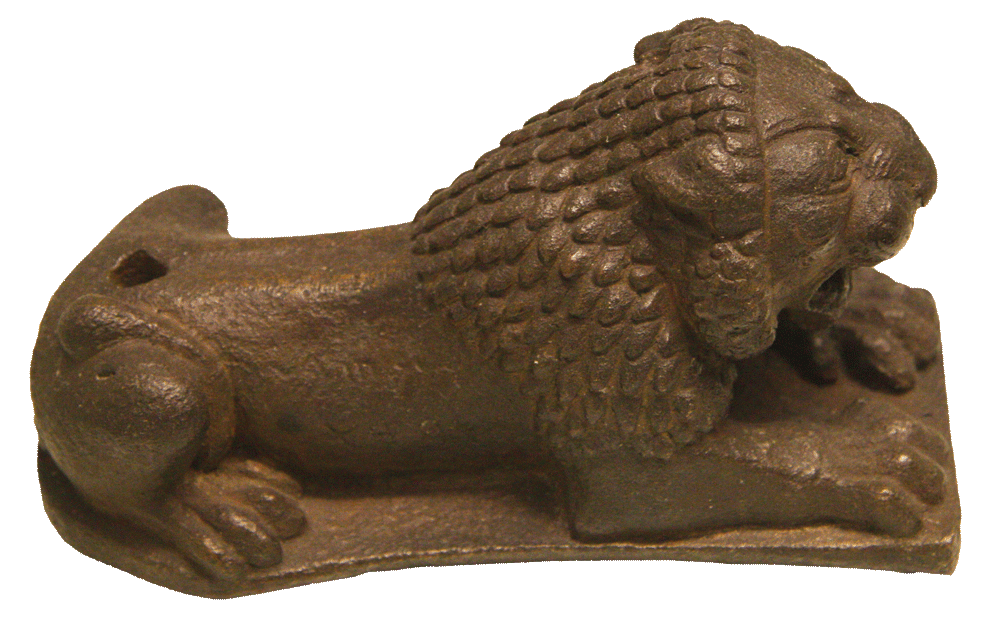
Hosea 12:7 accuses the merchants of dishonest practices, which include the use of inaccurate weights and balances. This lion is a standardized weight from the palace of Shalmaneser V, king of Assyria (727–722 BC).
The problem of deception is traced back to Israel’s ancient forefather, the patriarch Jacob (12:3–6); thus, this is not a new problem or new character defect that God has not seen before. Genesis 25:21–26 describes the birth of the twins Jacob and Esau as the beginning of Jacob’s deceptive action. Esau was born first, but Jacob was “grasping” the heal of Esau (12:3a), an act that might be interpreted as a sign that Jacob wanted to be the firstborn child. Thus the second child was named Jacob (“the heel grasper”), a name that is also a pun on the Hebrew word meaning “deceiver.” Later Jacob’s deceptive ways were fully revealed when he deceived his father by claiming that he was Esau; thus, he was able to steal the blessing of his father (Gen. 27:35–36). Another example that illustrates the character of Jacob was his wrestling with the angel of the Lord (12:3b–4a; Genesis 32). While Jacob was on his journey home from Laban’s home in Paddan Aram, he met numerous angels from God at the Jabbok River, so he called the place where he was camping “the camp of God.” But once he received word that Esau was coming to meet him with four hundred men (Gen. 32:6), Jacob seemed to forget about this angelic protection that God was providing. Fearing the worst and thinking that Esau was coming to take his revenge against him, Jacob initially committed himself to God’s care and prayed for God’s intervention (Gen. 32:9–12). Nevertheless, after he prayed, he immediately instructed his servants to prepare an enormous gift of cattle so that he could appease the wrath of Esau. Thus his deceptive action proved that he was not really trusting God at all. Later that night the angel of the Lord wrestled with Jacob all night (Gen. 32:24–30). Although Jacob could not overcome the angel’s strength, Jacob did overcome the angel in the sense of begging a blessing from him. Hosea 12:4b describes yet another incident in Jacob’s life: God talked to Jacob at Bethel (Gen. 28:10–22). No explicit interpretation is given to these last two illustrations from the life of Jacob, but Jacob’s struggle with the angel may suggest that the people of Israel should not wrestle with or resist God like Jacob did but should listen to and accept the promises of God Almighty as Jacob did at Bethel. Verses 3–6 end with a call for the prophet’s audience to repent and turn to God, to establish a steadfast covenant relationship of love with God, to practice justice in all their social relationships with others, and to trustingly wait for God to act on their behalf (12:6).
Additional acts of deception are cataloged against Israelite merchants to prove the guilt of the nation (12:7–10). As Amos has also mentioned (Amos 8:4–6), merchants in Israel are using two sets of weights (a light weight when they sell grain and a heavy weight when they buy grain) on their scales to deceive and defraud their customers of what they are justly owed. Thus a small group of upper-class individuals has become quite wealthy and arrogantly flaunts their riches. To make the situation even worse, these rich merchants feel they are above the law of the land and will never be held accountable for their sins. These people trust in their wealth because through it they are able to bribe judges and buy their way out of any difficult situation. Thus, their hopes for the future are based on their confident trust in their money, not in God. This claim of self-sufficiency is put in direct contrast to God’s claims (12:9–10) that he is God Almighty, the one who delivered them from Egyptian bondage and who is able to send them back to where they have next to nothing. They do not determine the future of the nation with their riches; God is the one who controls their destiny. They may have enjoyed their appointed feasts of the past when they first came up out of Egypt (Passover; Feast of Tabernacles; Lev. 23:33–44; Deut. 16:13–17), but they will soon not enjoy them when God removes their riches and sends them back to the wilderness, where they have nothing (12:9). God has repeatedly warned the Israelites through the prophets, who deliver messages in visions and parables. Israel has been repeatedly told to trust God and not be unjust to the poor, so there is no excuse for this kind of behavior by the people of God. They know what God wants, and they know that he does not accept what they are doing.
The people choose to follow the ways of deception (12:11–14) in their worship at Gilgal (12:11), a place famous for various acts that God has rejected (Hos. 4:15; 6:8; 9:15). Their sacrifices there do not impress God, for he will soon allow this altar to become a useless pile of rocks. The next example of deception involves an ambiguous comparison between Jacob, who “kept” or “took care of” (NIV “tended,” 12:12) Laban’s sheep in order to pay the bride-price for a wife (Genesis 27–29) and the unnamed Moses who “took care of” (NIV “cared for,” 12:13) the Israelites when they came up out of Egypt. Although there are some similarities between these two men—in both situations people were in a foreign land, both men were unfairly enslaved, and both eventually escaped—the main point of comparison may be the different ways these two attained success. In light of the earlier negative example of Jacob, Hosea may be suggesting that the Israelites should not follow the negative example of Jacob, who schemed to gain more sheep and schemed against Laban when he left (he did not rely on God for these things). Instead the Israelites should look to the example of the prophet whose name is not even mentioned (Moses), for in the second example the “caring for” was accomplished by God’s power, not by human deceptive cleverness. These verses end with a strong conclusion warning the nation about what will happen next. Israel has provoked God’s fierce anger, so the Israelites can be absolutely sure that they will soon be repaid for all their sins.
The final accusation against Israel is a brief condemnation of their deceptive worship (13:1–3). Hosea provides a brief historical summary of Israel’s past, present, and future. Earlier, in a time of strength and prosperity (probably since the era of Jeroboam I and later), the people were deceived, and they confused the worship of Yahweh and the god Baal. This may have happened because the people thought that the golden calf idol of Yahweh and the bull calf idol of Baal referred to the same divine being (13:1; 2:16). This confusion has led to the present political and economic decline of the nation after the death of Jeroboam II. But instead of turning back to Yahweh, the nation has fallen into greater devotion to Baal, kissing the calf idol made of gold and even offering human sacrifices. Drawing on three common experiences, Hosea describes what the future will bring to the nation of Israel (13:3). Israel (1) will fairly quickly evaporate, just as the morning mist and dew evaporate when the sun comes out, (2) will be scattered far and wide just as the chaff from a threshing floor is scattered abroad by the wind, and (3) will disappear just as smoke rising in the air is gradually diffused until it cannot be seen anymore. All the deceptions going on in the northern nation undermine the truthfulness of Israel’s commitment to their covenant relationship with God, so if there is no change God will eventually act against his covenant people.
B. Punishment of destruction (13:4–16). This punishment is tragic because the God who will destroy the nation of Israel is the Almighty God, who years ago redeemed his helpless people from Egyptian slavery (Exodus 14–15) and chose them as his special holy people (13:4–8). There was no one who could save them from their terrible situation in Egypt, so God acted on their behalf. At Sinai God asked for their exclusive devotion to him within the covenant relationship and instructed them to worship no other gods because he alone was their Savior. He continued to care for his people by miraculously leading them through the hot and dry Sinai wilderness, giving them more manna and quail than they could eat (Exodus 16; Numbers 11). But when they came into the rich land of Canaan, they had everything one could desire. Although God had warned them not to become proud and forget him (Deut. 8:10–20), they became satisfied with their situation in the land and soon forgot that God gave it all to them. They became proud and self-sufficient and did not think they needed God’s help. Consequently, God will turn against his people and attack them like a ferocious lion or an angry mother bear who has lost her cubs (13:7–8). Just like a wild beast rips open and tears apart the helpless body of its prey, so will God attack the people of Israel.
The people who are primarily responsible for the sins of the nation are the wicked political and religious leaders of the nation (13:9–11). God was their helper and Savior from the beginning, not their human kings or princes. After the disastrous years of the judges, the nation asked to have a king like the other nations (1 Samuel 8) because they rejected God as their king. God allowed the nation a king, but God set limits on the behavior of their king (Deut. 17:14–20; 1 Sam. 12:12–15). When king after king did not act within these divine parameters, God eventually removed these kings from power. In the future God will send another king (the Assyrian king), who will come and take Israel away into captivity.
The final paragraph on punishment (13:12–16) recognizes that death and destruction are coming soon, but this will not be the end of God’s plans for his people Israel. God has a complete record of all the sins of Israel, so there is no question about her guilt or exactly what she has done. As a consequence, great inescapable pain (like the pain of childbirth) will fall on the nation. Israel has no wisdom and will be like a child who refuses to be born, God says, implying they will die. A second metaphor pictures God’s intervention as a divine drought that will scorch the land and dry up all its springs. As a result an enemy nation will come and plunder the wealth of the nation (13:15). A third description drops the metaphorical language and describes a barbarous military conquest in which people are killed by the sword, children are mercilessly massacred, and helpless pregnant women have their wombs ripped open (13:16). This hopeless scene of total annihilation is interrupted by one short promise, which gives some hope for the future (13:14). This sliver of hope in the midst of judgment reminds one of similar statements in Hosea 6:4 and 11:8–9. In all three of these passages God is overcome by the thought of the total annihilation of his people, and consequently in great compassion he refuses to completely give up or to totally reject his people. In compassion God will ransom some from the power of death; therefore, God can taunt death and refuse to allow it to conquer his plans for his people. It is possible that the restoration of the nation in Ezekiel 37 picks up this same theme.
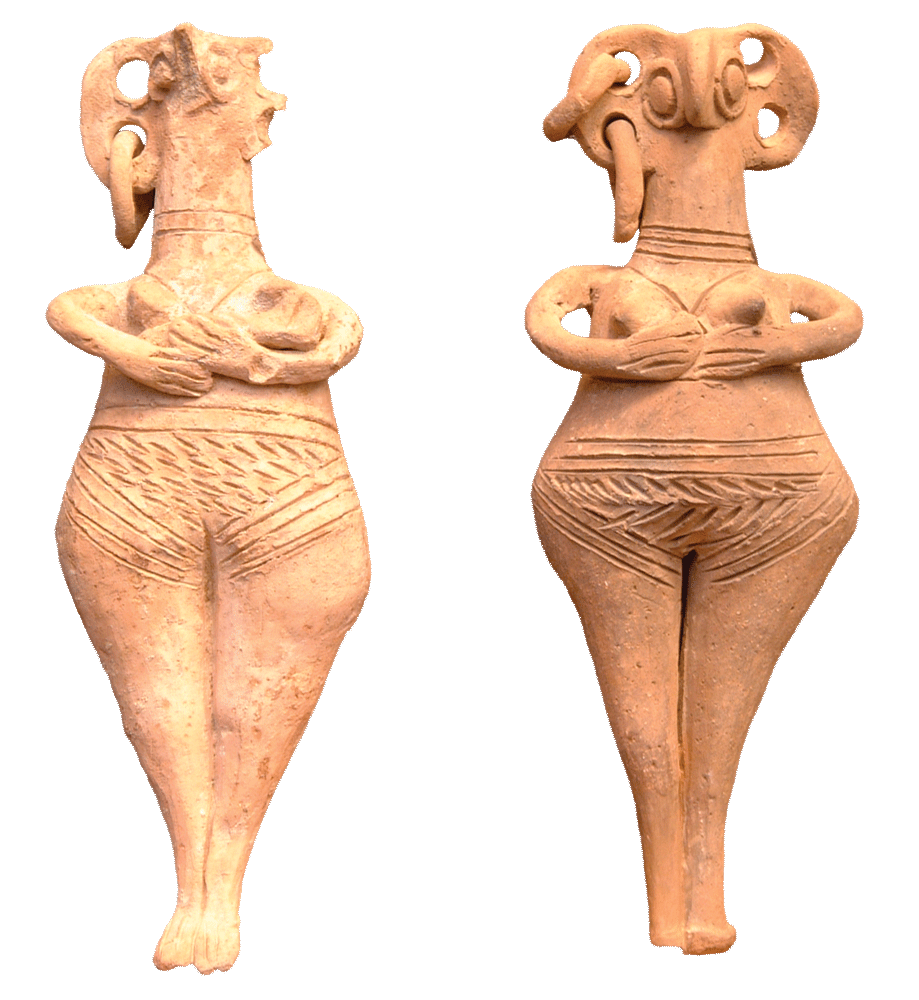
The source of Israel’s fruitfulness is the Lord (Hos. 14:8), not fertility goddesses or charms like the ones pictured here (Cyprus, 1450–1200 BC).
C. Hope: Repent and God will forgive (14:1–9). The third part of this lawsuit ends with a statement of hope just like the earlier sections in Hosea 5:15–6:3 and 11:1–11. Although the nation has repeatedly sinned and will surely be disciplined by God, there is still hope that the people will repent and return to God. God first calls them to repent (14:1–3). God wants to give his people life and the blessings of the covenant, but he is not able to do this until the problem of the nation’s sin is dealt with. Sin is the stumbling block that has tripped up the nation, so they must turn from their sin (cf. Isa. 55:6–7), return to the Lord (cf. Deut. 30:2), prayerfully confess their sins, and seek God’s gracious forgiveness so that they can once again praise him. They need to confess that their Assyrian alliance, a strong Israelite army, and dependence on false gods will not save them. These man-made attempts to survive in this world provide no lasting answers to the trials and tribulations of life. Their only hope is to trust in God, whose strength is seen when people are weak and unable to save themselves. Only God is truly compassionate to the weak, the powerless, and the fatherless. He is able to bring true hope and comfort if only people will turn from their sinful ways and depend on him.
God next promises to forgive and restore his people when they trust in him (14:4–8). Although the text does not indicate who, if anyone, prayed the prayer in 14:2–3, God still promises that he will heal his people miraculously, love them freely, and no longer be angry with them (14:4). This love from God will be totally unearned and completely undeserved, so it expresses God’s deep commitment to pour out his grace to a hopeless, unfaithful people. His love will overpower their sinful tendencies, and then he will be able to bless them with fertility. The nation will metaphorically blossom like a beautiful flower and become deeply rooted like a grand tree in the soil of Israel. Eventually its splendor will match the beauty of an old olive tree that has deep roots, so many people will gather under its shade. God’s people will be fruitful and multiply and be as many as the grains of wheat in a field. Fertility gods and their idols will no longer tempt these people because God will answer whenever he is called; he will watch over them. God will be the source of their fertility; they need not look to anyone else.
The book of Hosea ends with an unusual admonition to the reader of this collection of sermons by Hosea (14:9). The reader who is truly wise and discerning, like the wise people of Deuteronomy (4:6–8; 30:11–16), Psalms (1:1–6), and Proverbs (10:27–31), will understand what this book is about and what practical lessons to draw from the failures of Israel as well as the gracious promises of God. These words were not meant to entertain people with a sad story about a group of people who were destroyed. It does not philosophize about the viability of various metaphysical hypotheses or try to draw a hypothetical line in some moral gray area. It has plainly spoken about the failures of a blessed nation that was not faithful to the God who loved her. It is a practical book that describes what people should do to please God, and what people should not do (Deut. 10:12; 30:15–20). Therefore, the most obvious lesson of this book is to accept the fact that the ways of a holy and loving God are right and always just. The second lesson relates to how people should respond to what God says and does. Those who are righteous will listen to and follow what God says, but those who are foolish will rebel against God’s instruction. The first group will enjoy God’s blessings, but the second group will stumble and fall. Everyone has a decision to make, and the people who read this book will be held accountable to faithfully apply what they have heard.
Select Bibliography
Garrett, Duane A. Hosea, Joel. New American Commentary. Nashville: Broadman & Holman, 1997.
Hubbard, David Allan. Hosea. Tyndale Old Testament Commentaries. Downers Grove, IL: InterVarsity, 1981.
Kidner, Derek. Love to the Loveless: The Message of Hosea. The Bible Speaks Today. Downers Grove, IL: InterVarsity, 1981.
McComiskey, Thomas Edward. “Hosea.” In The Minor Prophets: An Exegetical and Expository Commentary. Edited by Thomas Edward McComiskey. Grand Rapids: Baker Academic, 1992.
Smith, Gary V. Hosea, Amos, Micah. NIV Application Commentary. Grand Rapids: Zondervan, 2001.
Stuart, Douglas. Hosea–Jonah. Word Biblical Commentary. Waco: Word, 1987.