Study Notes
1:1 Solomon. His wisdom and prolific production of proverbs and songs are mentioned in 1Ki 4:29–34 (see notes there). His name occurs again in the headings of 10:1 and 25:1. Cf. SS 1:1.
1:2–4 Verses 2–3 apply to the son or student; v. 4 refers to the father or teacher.

 1:2 wisdom and instruction. The two primary virtues in the long list that articulates the purpose of the book (vv. 2–6). Repeated at the end of v. 7, the phrase thus frames the entire prologue (vv. 2–7). wisdom. This key term occurs more than 40 times in the book. It includes skill in living—following God’s design and thus avoiding moral pitfalls. A craftsman can be called a wise (skillful) man (Ex 31:3). Proverbs urges people to get wisdom (4:5; cf. Jas 1:5 and note), for it is worth more than silver or gold (3:13–14). The NT refers to Christ as “wisdom from God” (1Co 1:30; cf. Col 2:3).
1:3 right and just and fair. See 2:9; Ps 119:121 and note; Php 4:8.
1:4 prudence. Good judgment or good sense (15:5; 19:25). Outside Proverbs the Hebrew word is used in the negative sense of “crafty” (Ge 3:1; see Job 5:13). simple. Another key word in Proverbs, occurring about 15 times. It denotes those who are easily persuaded and who “have no sense” (9:4,16), who are immature, inexperienced and naive (cf. v. 10; Ps 19:7 and notes). See NIV text note on 1:4.
1:6 riddles. The Hebrew for this word can sometimes refer to allegories (cf. Eze 17:2).
1:7 The theme of the book (see 9:10; 31:30; cf. Job 28:28; Ps 111:10 and note). fear of the LORD. A loving reverence for God that includes submission to his lordship and to the commands of his word (see Ecc 12:13 and note; see also Introduction: Purpose and Teaching). See note on Ge 20:11. fools. See NIV text note. “Fools” are those who “hate knowledge” (v. 22) and correction of any kind (12:1), who are “quick to quarrel” (20:3) and “give full vent” to their anger (29:11), who are complacent (1:32) and who trust in themselves (28:26) rather than in God (Ps 14:1). fools despise wisdom and instruction. But wise people appreciate and embrace “wisdom and instruction.” See 1:2; 5:12 and notes.
1:8 A typical introduction to an instruction speech in Proverbs, evoking a domestic situation of a father preparing his son for life in the world. Here and in 6:20 and 31:1 the mother is also depicted as teacher.
1:9 to grace . . . to adorn. See 6:21. Those who follow wisdom add beauty and honor to their lives (cf. 4:9).
1:10 entice. The Hebrew word is related to the Hebrew noun translated “simple” (see v. 4 and note). One who is “simple” is easily enticed. See Ps 19:7 and note.
1:11 Come along. But the father wisely advises, “Do not go along” (v. 15). Cf. Lady Wisdom’s appeal in 9:4–6. lie in wait for . . . blood. Their goal is personal enrichment by theft or oppression (vv. 13,19), even if they have to commit murder. The author uses two major enticements that confronted the young man (in that culture) as examples of the way of folly: (1) to get rich by exploiting others (here) and (2) to be drawn into illicit sexual pleasure by immoral women who fail to honor their marriage vows (5:1–6; 6:24; 7:5; cf. 2:12–19).
1:12 swallow . . . like the grave. Vivid poetic imagery for shamelessly victimizing others (cf. Ps 49:14 and note).
1:13 valuable things. By contrast, the book of Proverbs teaches that wisdom brings the greatest riches people could ever gain (3:13–16; 16:16; see also Job 28:12–19).
1:15 paths. Cf. the destructive paths of the adulterous woman in 2:18 (see note there); 7:25.
1:16 The same as the first two lines of Isa 59:7 and partially quoted in Ro 3:15. Cf. Pr 6:17–18.
1:17 net. Nets were used to catch birds and animals (6:5; 7:23; Ecc 9:12; Isa 51:20; Jer 5:26; see photo).
1:18 ambush only themselves. See v. 11. The wicked unintentionally spread a net for their own feet (29:6; Ps 35:8), so they are less intelligent than birds (7:22–23).
1:19 According to Isa 17:14, destruction is the fate of those who plunder God’s people. Contrast the long life enjoyed by the “one who hates ill-gotten gain” (28:16).
1:20 wisdom calls aloud. Personified wisdom also calls out to the simple in 8:1–5; 9:4–6 (see note on 8:1–36). public square. Open area inside the gate of a fortified city (8:3).
1:21 city gate. Where the leaders of the city met to hold court (see 31:23; see also Ge 19:1; Ru 4:1; Job 29:7 and notes) and where the marketplace was located (2Ki 7:1). As a young man confronts life in its social context, two voices lure him, appeal for his allegiance and seek to shape his life: (1) the voice of wisdom (as exemplified in the instructions of the teachers of wisdom) and (2) the voice of folly (as exemplified in the sinners of vv. 10–19 and in the adulterous woman of 5:3; 6:24; 7:5). Thus in the midst of life the youth must learn to exercise discretion. Here and in chs. 8–9 wisdom makes her appeal directly from life’s experiences.
1:22 simple. See note on v. 4. mockers. Those who are “proud and arrogant” (21:24); who are full of insults, hatred and strife (9:7–8; 22:10; 29:8); who resist correction (13:1; 15:12) even though they deserve flogging (19:25; 21:11).
1:23 pour out my thoughts. Wisdom is like a fountain. Her words constantly refresh and strengthen (see 18:4 and note).
1:24 refuse to listen. Just as Israel rejected the Lord (Isa 1:4; 5:24; Hos 2:13; 11:2), who brought forth wisdom “as the first of his works” (8:22), and as the people of Jerusalem rejected Jesus (Mt 23:37), the embodiment and supreme manifestation of God’s wisdom (see Jn 1:1–14; 1Co 1:24; Col 1:15–17; 2:3; Heb 1:1–4 and notes). stretch out my hand. Cf. Isa 65:2, where God held out his hands all day long to “an obstinate people.”
1:25 disregard . . . advice. Cf. 8:33.
1:26 laugh when disaster strikes you. Not an expression of heartlessness but a reaction to the absurdity of fools, who laugh at wisdom, choose folly and bring disaster on themselves. Cf. the Lord’s response to kings who think they can rebel against him (Ps 2:4). I will mock. God’s victory over foolishness is so lopsided that it is comical. The harsh attitude here should shock fools into turning from their folly. calamity overtakes you. Also the fate of troublemakers and villains (6:12–15).
1:27 like a storm. See 10:25 and note. distress and trouble. See Isa 8:22.
1:28 I will not answer. Just as God refused to listen to Israel when the people sinned (see Dt 1:45; see also Isa 1:15; Mic 3:4 and notes). find me. Those who find wisdom find life and blessing (v. 33; 3:13; 8:17,35).
1:29 fear the LORD. See v. 7 and note.
1:31 eat . . . be filled with the fruit. The consequences depend on their actions (see 12:14 and note; 18:20; 31:31; Isa 3:10). “A man reaps what he sows” (Gal 6:7). schemes. To refuse wisdom’s “advice” (v. 30) is to suffer the consequences of one’s own foolish “schemes” (the Hebrew for “advice” and “schemes” is the same).
1:32 complacency. A false sense of security (see Isa 32:9; Am 6:1 and notes; Zep 1:12).
1:33 in safety . . . at ease. Words used of places that enjoy God’s protection (Isa 32:18; Eze 34:27).
2:1 store up . . . within you. Just as the psalmist hid God’s word in his heart to avoid sin (Ps 119:11).
2:2 turning your ear. Listening implies attentiveness and obedience (Isa 55:3; Jer 13:15). heart. See note on Ps 4:7.
2:4 silver . . . hidden treasure. Job 28:1–11 describes ancient mining techniques, comparing mining with the search for wisdom (Job 28:12,20).
2:5 fear of the LORD. See note on 1:7. knowledge of God. Involves having a personal relationship with God (cf. Php 3:10 and note) and knowing what he is teaching us (v. 6).
2:7 holds . . . in store. For those who “store up” his commands (v. 1). shield. Associated with victory also in Ps 18:2,35; cf. Pr 30:5. See Ps 3:3 and note. blameless. Having spiritual and moral integrity. This does not imply sinlessness (19:1). See v. 21; see also Job 1:1; Ps 15:2 and notes.
2:8 guards . . . protects. See Ps 91:3–7,11–12.
2:9–11 Those who know the Lord and the wisdom he gives will know what course of action to follow (cf. Heb 5:11–14).
2:9 right and just and fair. See 1:3 and note. good path. Cf. “right paths” in Ps 23:3 (see note there).
2:10 pleasant to your soul. Just as the words of the wise are “sweet to the soul” of another (see 16:24 and note; cf. 3:17).
2:11 protect . . . guard. As God guards the faithful (v. 8).
2:12–19 Wisdom will save one from the enticements of men to follow perverse ways (vv. 12–15) and from the “seductive words” of the adulterous woman (vv. 16–19). See note on 1:11.
2:12 words are perverse. Cf. v. 14. The deceitfulness of human speech is also mentioned in 6:12,17; 8:13; 10:31–32; 17:20; 19:28.
2:13 straight paths. See 3:6 and note; 9:15. dark ways. People love darkness instead of light (see Jn 3:19–21; see also Job 24:14–17; Isa 29:15; Ro 13:12).
2:14 delight . . . rejoice in . . . evil. Like the sinners of 1:10–19.
2:15 paths are crooked. See Isa 59:7–8.
2:16 adulterous woman . . . wayward woman. The Hebrew for these terms occurs again in 5:20 and 7:5. The terms can mean “stranger” and “foreigner” (cf. 5:10) because anyone other than one’s own wife was to be considered off limits, like a foreigner who worshiped another god (cf. 1Ki 11:1–2). “Wayward woman/wife” is parallel to “neighbor’s wife” in 6:24 and “adulterous woman” in 23:27. seductive words. Equal to the “smooth talk” of 6:24; 7:21. Cf. 5:3 and note.
2:17 partner of her youth. Her husband, whom she married when she was a young woman (cf. Isa 54:6). covenant . . . before God. Probably the marriage covenant, spoken in God’s presence (Eze 16:8; Mal 2:14). Alternatively, the breaking of the seventh commandment (Ex 20:14) may be indicated (see NIV text note).
2:18 leads down to death. According to 7:27, “Her house is a highway to the grave.” A life of immorality ultimately leads to destruction (cf. 5:5; 9:18). spirits of the dead. See Job 26:5 and note. The deceased are in the grave (or Sheol), “the chambers of death” (7:27).
2:21 live in the land. Abraham’s descendants had been promised the land of Canaan (Ge 12:7; 17:8; Dt 4:1), and Ps 37:29 says, “The righteous will inherit the land” (Ps 37:9, 11; Mt 5:5). blameless. See note on v. 7.
2:22 cut off from the land . . . torn from it. In Dt 28:63 God warned that if the people refuse to obey him, they “will be uprooted from the land.” The wicked and their offspring will be cut off (Ps 37:9,28).
3:2 prolong your life. Fear of the Lord (19:23) brings health to the body (v. 8) and “adds length to life” (10:27; see also 9:10–11). prosperity. When Solomon prayed for wisdom (1Ki 3:9), God promised him riches as well as long life if he obeyed God’s commands (1Ki 3:13–14). Normally the righteous have enough and are happy (12:21), but sometimes it is the wicked who are strong and prosperous (Ps 73:3,12), temporary though that may be (Ps 37:10, 20,35–36; 73:17–19). Job 1–2 also shows how disaster and death can strike a godly person (see note on vv. 11–12).
3:3 love and faithfulness. See Ps 26:3 and note. bind . . . neck. Like a beautiful necklace (cf. v. 22; 1:9; 3:22). write them on the tablet of your heart. See 7:3; cf. Jer 31:33 and note. These instructions are metaphors for internalizing in the very center of one’s being the character traits mentioned (see Ex 13:9; Dt 6:8–9 and notes).
3:4 favor. See 8:35; 12:2; Ge 6:8. God and man. See 1Sa 2:26; Lk 2:52; Ro 12:17 and note; 2Co 8:21.
3:5 Trust in the LORD. “Commit your way to the LORD” (Ps 37:5), like Israel’s ancestors, who trusted in God and were rescued (Ps 22:4–5; cf. Da 3:17–18, 28). with all your heart. Like Caleb (Nu 14:24; Dt 1:36; Jos 14:6–14) or the godly King Hezekiah (Isa 38:3). David challenged Solomon to serve God “with wholehearted devotion” (1Ch 28:9).
3:6 submit to him. Be ever mindful of God and serve him with a willing, faithful and obedient heart (1Ch 28:9; Hos 4:1; 6:3,6). make your paths straight. He will remove the obstacles from your pathway and bring you to your appointed goal (see 11:5; Isa 45:13 and note).
3:7 fear the LORD and shun evil. Cf. Job, who was “blameless and upright” and thus “shunned evil” (Job 1:1). See note on 1:7.
3:8 bones. The whole body. Elsewhere, good news and pleasant words bring health to the bones (15:30; 16:24; cf. 12:4; 14:30; 17:22).
3:9 firstfruits. The Israelites were required to give to the priests the first part of the olive oil, wine and grain produced each year (Lev 23:10; Nu 18:12–13).
3:10 filled to overflowing. For those who bring to the Lord his tithes and offerings, God promises to pour out more blessing than they have room for (see Mal 3:10; see also Dt 28:8, 12; 2Co 9:6–11). vats. See note on Hag 2:16.
3:11–12 A warning that the righteous are not always prosperous (see v. 2 and note). Through times of testing and affliction, God is teaching them (12:1; Ps 119:71). Heb 12:5–6 quotes both of these verses to encourage believers to endure hardship (Heb 12:7). “God disciplines us for our good” (Heb 12:10).
3:12 as a father. God disciplined his son Israel by testing the nation in the wilderness 40 years (Dt 8:2–5).
3:13–18 A poem praising wisdom that begins and ends with the word “blessed” (cf. Job 5:17).
3:14 more profitable than silver . . . gold. The psalmist makes the same claim for the commands and precepts of the Lord (Ps 19:10; 119:72,127).
3:15–18 Wisdom is personified (see note on 8:22–31).
3:15 rubies. See 8:11; 20:15. Although rubies were the most priceless jewels in the ancient world, they are considered of less value than wisdom also in Job 28:18. The “wife of noble character” is “worth far more than rubies” (31:10; see note on 31:10–31).
3:16 Long life. See note on v. 2. riches and honor. See 8:18; 22:4.
3:17 peace. Hebrew shalom, translated “peace and prosperity” in v. 2 (16:7; Ps 119:165). See article.

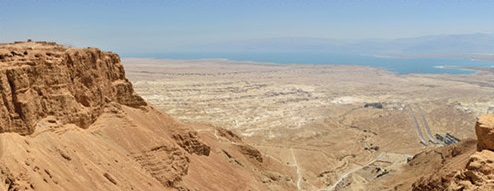
Though shalom is often translated as “peace,” its meaning is much richer and fuller. It connotes soundness, completeness, or wholeness. In one’s personal life, it suggests well-being, safety, and contentment of spirit (cf. Ge 28:21, “safely”; Ge 37:14, “all is well with”; Ps 4:8). For a nation, it suggests security and cessation of conflict (cf. Lev 26:6; Isa 32:17–18). Among companions, it suggests friendship and freedom from discord (cf. Ge 26:29, 31; 1Sa 29:7).
Between human beings and God, therefore, it suggests a close and unhindered relationship (cf. Ps 29:11; 85:9–10; Isa 54:10). Indeed, it is only in relationship with the God of peace (Ro 15:33; 1Th 5:23), a relationship made possible through faith in Jesus Christ (Ro 5:1), that true shalom can be fully realized (cf. Isa 26:3; Eph 2:14–18).
Go to the Articles Index.
3:18 tree of life. Source of life. This figure of speech (11:30; 13:12; 15:4) may recall the tree in the Garden of Eden (see Ge 2:9 and note; see also Introduction: Purpose and Teaching).
3:19–20 The role of wisdom in creation is described more fully in 8:22–31 (see notes there). Divine wisdom guided the Creator and now permeates the whole creation. To live by wisdom is to imitate the Lord and conform to the divinely appointed creation order.
3:19 earth’s foundations. See 8:29. God’s work in creation is compared to the construction of a building (1Ki 5:17; 6:37; see also Job 38:4–6; Ps 24:2 and note; 104:5; Zec 12:1). set the heavens in place. See Isa 42:5; 48:13 and note; 51:16.
3:20 divided. Or “broken open.” God opened up springs and streams (Ge 7:11; 49:25; Ps 74:15). Alternatively, though perhaps less likely, reference is to the dividing of the waters above from the waters below (see Ge 1:7; Ps 42:7 and note). dew. Probably also includes rain (Dt 33:13; 2Sa 1:21).
3:22 ornament to grace your neck. Like a beautiful necklace (see v. 3 and note).
3:23 in safety, and your foot will not stumble. See v. 26; cf. 10:9.
3:24 When you lie down, you will not be afraid. Also listed among the covenant blessings (see Lev 26:6; Job 11:18–19; Mic 4:4; Zep 3:13; see also Pr 1:33). your sleep will be sweet. See 6:22; Ps 4:8.
3:25 disaster . . . ruin. The Lord shields the godly from deadly arrows and plagues (10:25; Ps 91:3–8; Job 5:21).
3:26 will keep your foot from being snared. Contrast the fate of the fool in 1:18; 7:22–23.
3:27 not withhold good. See Ac 9:36; Gal 6:10; 1Jn 3:17–18. those to whom it is due. Especially the poor and needy.
3:28 See Lk 11:5–8; Jas 2:15–16.
3:30 Do not accuse . . . for no reason. See Job 2:3.
3:31 Do not envy. See 23:17; 24:19; Ps 37:1,7. the violent. Like the sinners of 1:10–19 (cf. 16:29).
3:32 detests. A word that elsewhere expresses abhorrence of pagan practices (Dt 18:9,12) and moral abuses. It is common in Proverbs (e.g., 6:16; 8:7; 11:20). takes the upright into his confidence. See Ge 18:17 and note; Job 29:4; Ps 25:14; Am 3:7; Jn 15:15.
3:33 This contrast is seen also in Dt 11:26–28. The LORD’s curse is on the house of the wicked. See Jos 7:24–25; Zec 5:3–4. blesses the home of the righteous. See Job 42:12–14.
3:34 mocks proud mockers. See note on 1:26. shows favor. See v. 4. James and Peter both quote this verse (Jas 4:6; 1Pe 5:5).
4:3 still tender. Cf. David’s words about Solomon, who was “young and inexperienced” (1Ch 22:5; 29:1). This is part of an autobiographical statement, such as was sometimes used by the wisdom teachers (see 24:30–34; see also the book of Ecclesiastes). cherished. Deeply loved (cf. Ge 37:3; Jer 6:26 and note; Zec 12:10).
4:4 with all your heart. See note on 3:5.
4:6 protect . . . watch over. The Hebrew words for these two verbs occur together also in 2:8,11. love her. To love wisdom is to prosper (8:21); to hate wisdom is to “love death” (8:36).
4:7 beginning of wisdom . . . Get wisdom. See 1:7; see also NIV text note. The first step in resolving a problem is knowing that you have one and getting help. Though it cost all you have. Cf. the parables of the hidden treasure and the pearl “of great value” in Mt 13:44–46 (see note there).
4:9 glorious crown. Wreaths or crowns were worn at joyous occasions, such as weddings or feasts (see SS 3:11; Eze 16:12; 23:42; cf. 1Pe 5:4).
4:10 years . . . will be many. See note on 3:2.
4:11 straight paths. Right paths (see notes on 3:6; Ps 23:3).
4:12 you will not stumble. Because of some obstacle or lack of light (v. 19; 3:23; 10:9; Ps 18:36; Isa 5:27; 40:30–31).
4:14 path of the wicked. Cf. the destructive paths of the adulterous woman in 2:18; 7:25; see Ps 1:1; 17:4–5.
4:16 cannot rest until they do evil. See Ps 36:4 and note; Mic 2:1. Contrast the attitude of David, who would not sleep until he found a permanent place for God’s house (Ps 132:3–5).
4:17 eat the bread . . . drink the wine. Wickedness and violence sustain their evil lifestyle (see 13:2; Job 15:16; cf. Ps 109:18 and note).
4:18 path of the righteous is . . . shining ever brighter. The godly have all the guidance and protection they need (vv. 11–12) and are able to lead others to righteousness (Da 12:3).
4:19 deep darkness. A dangerous path that leads to destruction (see note on 2:13; see also Isa 59:9–10; Jer 23:12; Jn 11:10; 12:35).
4:21 heart. See 3:1,3; see also note on Ps 4:7.
4:22 health. Physical, psychological and spiritual (see 3:8 and note).
4:23 everything you do flows from it. If we store up good things (2:1) in our hearts, our words and actions will be good. “For the mouth speaks what the heart is full of” (Mt 12:34; cf. Mk 7:20 and note; Lk 6:45).
4:24 Keep your mouth free of perversity. See note on 2:12; see also 19:1. corrupt talk. See 6:12; 19:28; Eph 4:29 and note; Jas 3:3–12.
4:25 look straight ahead. Look at things of value that are morally upright, not at “worthless things” (Ps 119:37).
4:26 Heb 12:13 quotes the first half of this verse (see note there and NIV text note here).
4:27 Do not turn to the right or the left. Stay on the straight path (v. 11)—a warning found also in Dt 5:32–33; 28:14; Jos 1:7. foot from evil. See 1:15.
5:2 lips may preserve knowledge. Applied to a priest in Mal 2:7.
5:3 lips . . . drip honey. Probably a reference to the pleasant-sounding talk (cf. 16:24) of the adulterous woman, though some explain it as kisses (cf. SS 4:11; 5:13; 7:9). adulterous woman. See note on 2:16. smoother than oil. See 2:16. Her words are soothing (Ps 55:21) but full of flattery (Pr 26:28) and hypocrisy (see Ps 5:9 and note).
5:4 gall. A bitter herb (Dt 29:18; La 3:15, 19; Am 6:12). double-edged sword. A lethal weapon (see Jdg 3:16; see also Ps 55:21; 149:6; Heb 4:12; cf. Rev 1:16 and note).
5:5 down to death. Her immorality hastens her end (see note on 2:18).
5:6 paths wander aimlessly. See 2:15; 10:9. does not know it. Or “does not acknowledge it.”
5:7–14 The father warns the son about the high cost of immorality.
5:8 far from her. See Ge 39:12; 2Ti 2:22. door of her house. Cf. 7:27; 9:14.
5:9 one who is cruel. Possibly the vengeful husband (6:34–35).
5:10 strangers feast on your wealth. Contrast the riches and honor that come to those who embrace wisdom (3:16–18). Immorality eventually reduces one to “a loaf of bread” (6:26; see note there).
5:11 flesh and body are spent. Possibly because of the debilitating effects of immorality (see 1Co 6:18; cf. Pr 3:8; 4:22), but more likely referring to the loss of vigor that accompanies old age.
5:12 hated discipline . . . spurned correction. In old age he will look back and sadly acknowledge that he has played the fool (see 1:7 and note; see also 1:22,29–30).
5:13 would not obey. Despite the repeated urging to “listen” or “pay attention” to their instruction (cf. v. 7; 1:8; 4:1; 5:1).
5:14 serious trouble. Physical, financial and social. in the assembly of God’s people. The offender was subject to “blows and disgrace” (6:33) or even death (Lev 20:10; Dt 22:22).
5:15 your own cistern . . . your own well. Your own wife (SS 4:12,15). Let your own wife be your source of pleasure, as water refreshes a thirsty person. Wells and cisterns were privately owned (Jer 38:6) and of great value (2Ki 18:31).
5:16 springs . . . streams of water. Like “cistern” and “well” in v. 15 and “fountain” in v. 18, these also refer to the wife (see SS 4:12,15). in the public squares. The wife may become promiscuous if the husband is unfaithful.
5:18 wife of your youth. Chosen by you when you were young. True joy in marital relationships comes from long and deep commitment.
5:19 doe . . . deer. Descriptive of the wife, perhaps because of the delicate beauty of the doe’s limbs (SS 2:9). may her breasts satisfy you always. See SS 7:7–8. intoxicated. Marital love is portrayed as better than wine in SS 4:10 (cf. SS 7:9).
5:20 Why . . . ? In light of the sheer joy found within the bonds of marriage and the “serious trouble” (v. 14) outside it, why commit adultery? another man’s wife. See v. 3; 2:16 and note.
5:21 in full view of the LORD. See 15:3; Job 31:4; 34:21; Jer 16:17; 32:19. examines all your paths. See Job 7:18; 34:23; Ps 11:4; 26:2; 139:23; Jer 11:20; 12:3; 17:10.
5:22 ensnare them. See 1:18 and note; Dt 7:25; 12:30. In Ecc 7:26 the sinner is ensnared by a woman “whose heart is a trap.” cords of their sins. See Job 36:8; Ecc 4:12; Isa 5:18; cf. Hos 11:4 and note.
5:23 The death of the fool is described in similar terms in 1:29–32; 7:21–27; cf. Job 36:12. discipline. See v. 12 and note.
6:1 put up security . . . shaken hands in pledge. Refers to responsibility for someone else’s debt (cf. 22:26) or for some other obligation. It can end in abject poverty (cf. 22:27) or even slavery if you cannot pay. For example, Judah volunteered to personally guarantee the safe return of Benjamin to Jacob (Ge 43:9), and when this seemed impossible, he had to offer himself to Joseph as a slave (Ge 44:32–33). Such an arrangement was sealed by a handshake (see 11:15; 17:18; 20:16; 22:26; cf. Job 17:3).
6:2 trapped . . . ensnared. Cf. v. 5; see also 1:18; 5:22 and notes.
6:3 to free yourself. To gain release from the obligation. fallen into your neighbor’s hands. Assumed responsibility for the neighbor’s obligation. give your neighbor no rest. Be as persistent as the person in Lk 11:8.
6:4 no sleep . . . no slumber. Like David in Ps 132:4.
6:5 snare of the fowler. See Ps 124:7 and note.
 6:6 ant. A creature referred to elsewhere in the Bible only in 30:25, where it stores up its food in the summer (as here; see v. 8). The ant is mentioned also in Canaanite Amarna letter 252.15–19, again in a proverbial context (see chart). sluggard. A lazy individual who refuses to work and whose desires are not met (10:26; 13:4; 15:19; 19:24; 20:4; 21:25; 22:13; 24:30; 26:13–16).
6:7 no commander. Cf. the locust in 30:27.
6:9 How long will you lie there, you sluggard? The sluggard’s love for sleep is described also in 26:14 (see note there).
6:11 poverty . . . scarcity. Connected with too much sleep also in 10:5; 19:15; 20:13. Hard work is an antidote to poverty (12:11; 14:23; 28:19). like a thief . . . an armed man. Poverty will come when it is too late to do anything about it (cf. Mt 24:43).
6:12–14 A vivid description of one who uses mouth, eyes, feet and fingers (all a person’s means of communication) in devious ways to achieve the deceitful plots of the heart—here especially to spread slander to destroy someone.
6:12 A troublemaker. A worthless, wicked person (16:27; Jdg 19:22; 1Sa 25:25; Job 34:18). See note on Dt 13:13. corrupt mouth. See 2:12 and note; 19:28.
6:13 winks . . . with his eye. To make insinuations (see 10:10; 16:30). signals . . . motions. Uses secret gestures to others in the know.
6:14 plots evil. See v. 18; 3:29; Mic 2:1. stirs up conflict. Through slander such people create distrust that culminates in alienation and conflict (v. 19; 10:12; 15:18; 16:28; 28:25; 29:22).
6:15 disaster will overtake him in an instant. Usually a sign of God’s judgment (see 1:26; 24:22 and notes; Job 34:20). suddenly be destroyed—without remedy. Such scoundrels will suffer the same fate they thought to bring upon others—their punishment will fit their crime (cf. Gal 6:7–8). without remedy. See 29:1 and note.
6:16–19 A further elaboration on the theme of vv. 12–15, explaining why “disaster will overtake” (v. 15) the scoundrel described here.
6:16 six . . . seven. A way of handling numbers in synonymous parallelism in Hebrew poetry (see Introduction: The Nature of a Proverb). Such catalogues of items are frequent in the wisdom literature of the OT (see 30:15,18,21,29; see also Job 5:19 and note). In all such cases in Proverbs, the last number is the climactic one. detestable. See 3:32 and note.
6:17 haughty eyes. They reflect a proud heart, and God will judge them (21:4; 30:13; Ps 18:27; 101:5). lying tongue. See 2:12 and note; 12:19; 17:7; 21:6. hands that shed innocent blood. See 1:11 and note; see also 1:16; 28:17.
6:18 heart that devises wicked schemes. See 1:31; 24:2; Ge 6:5. feet that . . . rush into evil. See 1:16 and note
6:19 false witness. See Ex 20:16; Dt 19:16–19. Proverbs emphasizes the damage done by false witnesses (12:17–18; 25:18; see note on Ps 5:9) and the punishment they receive (see note on v. 15; see also 19:5,9; 21:28). pours out lies. See 14:5,25. stirs up conflict. The climactic item the Lord detests (see note on v. 14).
6:22 walk. Cf. 4:11. when you sleep. See note on 3:24. watch over you. See 4:6.
6:23 lamp . . . light. Just as the word of God “is a lamp for my feet, a light on my path” (Ps 119:105; cf. Ps 19:8). way to life. See 3:22; 4:22; 10:17. Contrast the way to death for the one who hates discipline (see 5:23 and note).
6:25 Do not lust. Jesus shows the close connection between lust and adultery (Mt 5:28; cf. Ex 20:14,17 and notes). captivate you. See 5:20.
6:26 another man’s wife preys on your very life. See 2:16–18 and notes; 5:5; 7:27. Adultery is even more destructive than sleeping with a prostitute.
6:29 no one . . . will go unpunished. See vv. 33–34; see also note on 5:14.
6:31 sevenfold. Hebrew law demanded no more than fivefold payment as a penalty for any theft (Ex 22:1–9). The number seven is here symbolic—the thief will pay in full.
6:32 destroys himself. See 5:14; 7:22–23 and notes.
6:33 disgrace. Followed Amnon’s rape of Tamar (2Sa 13:13,22). shame will never be wiped away. The stigma remains (see article).
6:34 jealousy. Its strength is also illustrated in 27:4; SS 8:6.
7:2 apple of your eye. See Dt 32:10 and note.
7:3 Bind them on your fingers. As a reminder (6:21; Dt 6:8). tablet of your heart. See 3:3; Jer 31:33 and note.
7:4 wisdom. As embodied in the instructions of the wisdom teacher (vv. 1–3). my sister . . . relative. Make wisdom your most intimate companion. “Sister” may be used here in the sense of “bride” (SS 4:9–10, 12; 5:1–2).
7:7 simple. See note on 1:4. who had no sense. See 6:32; 9:4,16.
7:8 in the direction of her house. See 5:8.
7:9 dark of night. He was hoping no one would see him (see 2:13 and note).
7:10 dressed like a prostitute. Perhaps in a gaudy, provocative manner (Eze 16:16) and heavily veiled (Ge 38:14–15).
7:11 unruly. Applied to the woman “Folly” in 9:13 (see note there).
7:12 she lurks. Ready to catch her prey (vv. 22–33).
7:13 kissed him. A bold greeting.
7:14 Today I fulfilled my vows. An offering made as the result of a vow was one of the fellowship offerings, and the meat had to be eaten on the first or second day (Lev 7:15–16). So the young man had an opportunity to enjoy a sumptuous feast, one that ironically had a religious significance (cf. 1Sa 1:21 and note). fellowship offering. Part of the meat could be eaten by the one who brought the offering and by his (or her) family (Lev 7:12–15).
7:16 colored linens from Egypt. Linen is associated with the wealthy in 31:22. Egyptian linen was of great value (see Isa 19:9 and note; Eze 27:7).
7:17 myrrh, aloes and cinnamon. Fragrant perfumes that are linked with making love (see SS 1:3; 4:14; 5:5 and notes; see also Ps 45:8).
7:18 drink deeply of love. Making love is compared to eating and drinking also in 9:17; 30:20; SS 4:16; 5:1. enjoy ourselves. See SS 4:10.
7:19 not at home. So he will never know (cf. 6:34–35). long journey. Perhaps he was a wealthy merchant.
7:20 money. Pieces of silver of various weights were a common medium of exchange, but not in the form of coins until a later period (see note on Ge 20:16).
7:21 persuasive words . . . smooth talk. See notes on 2:16; 5:3; see also 6:24; 7:5. led him astray. Cf. 5:23.
7:22 like an ox going to the slaughter. Totally oblivious of the fate that awaits him. noose. Cf. Isa 51:20.
7:23 pierces his liver. The terrible fate of the wicked is similarly described in Job 20:24–25. darting into a snare. See notes on 1:17–18; 5:22.
7:26 Many are the victims. See 9:18; 23:28; Isa 5:14 and note.
7:27 highway to the grave. See notes on 2:18; 5:5; see also 14:12; 16:25; Mt 7:13; cf. 1Co 6:9–10.
8:1–36 Wisdom is personified (see note on 1:20) as she addresses humankind in preparation for the final plea from both “Wisdom” and “Folly” in ch. 9.
8:1 call out . . . raise her voice. See 1:20 and note.
8:4 mankind. See v. 31 and note.
8:5 simple . . . foolish. Both are addressed in wisdom’s speech in 1:22,32. simple, gain prudence. See note on 1:4.
8:6 trustworthy things . . . what is right. See vv. 7–9; Eph 4:29; Php 4:8 and notes.
8:7 my lips detest wickedness. See 3:32 and note; 12:22.
8:8 crooked or perverse. See Php 2:15; cf. Pr 2:15.
8:9 To the discerning. The wiser they are the more they appreciate words of wisdom. who have found knowledge. Especially the knowledge of God (see note on 2:5).
8:10 silver . . . gold. See v. 19; 2:4; 3:14 and note.
8:11 Almost identical with 3:15 (see note there).
8:12 dwell together with prudence. Cf. Job 28:20. prudence . . . knowledge and discretion. See 1:4 and note.
8:13 To fear the LORD is to hate evil. See 3:7 and note; 16:6. I hate pride and arrogance. See 16:18; 1Sa 2:3; Isa 13:11; see also Ps 10:2–11 and note. evil behavior and perverse speech. See note on 2:12; see also 6:12–19.
8:14 Counsel and sound judgment . . . insight . . . power. These characterize the Lord (2:6–7; Job 12:13, 16; Isa 40:13–14; Ro 16:27) and the Spirit of the Lord (Isa 11:2). Counsel. See 1:25; 19:20. power. Cf. Ecc 9:16.
8:15 By me kings reign. See 29:4. Solomon prayed for wisdom to govern Israel (1Ki 3:9; 2Ch 1:10).
8:17 I love. I pour out my benefits on (see 4:6 and note; see also Jn 14:21). those who seek me find me. See 2:4–5; Isa 55:6; Jas 1:5. Verse 35 completes the thought: “those who find me find life.”
8:18 riches and honor. See v. 21; 3:16; 22:4. prosperity. See note on 3:2; see also 21:21.
8:19 My fruit. Wisdom is called a “tree of life” in 3:18 (see note there). fine gold . . . choice silver. See v. 10; Job 28:15; see also 3:14 and note.
8:20 walk in the way. See introduction to Ps 1; see also note on Ps 1:6. way . . . paths. See 3:17. justice. See v. 15.
8:21 bestowing a rich inheritance. See v. 18; Zec 8:12 and note. making their treasuries full. See 3:10; 24:4 and notes.
8:22–31 A hymn describing wisdom’s role in creation. Wisdom is here personified, as in 1:20–33; 3:13–18; 9:1–12. Therefore these verses should not be interpreted as a direct description of Christ. Yet they provide part of the background for the NT portrayal of Christ as the divine Word (Jn 1:1–5) and as the wisdom of God (see note on 1:24; cf. Mt 11:19; Lk 7:35; 1Co 1:30; Col 2:3). Here wisdom is an attribute of God exercised in creation.
8:22 brought . . . forth. The Hebrew for this verb is also used in Ge 4:1; 14:19,22 (“Creator”); Dt 32:6 (“Creator”). me. Wisdom (see 3:19 and note; Ps 104:24). as the first of his works. Cf. Job 40:19 and note.
8:23 when the world came to be. Wisdom was already there when God began to create the world (cf. Jn 1:1–3 and Christ’s statement in Jn 17:5; see also Col 1:15–17; Heb 1:1–3).
8:24 I was given birth. Elsewhere it is the sea (Job 38:8–9) and the mountains and earth that are “brought forth” (Job 15:7; Ps 90:2). springs overflowing with water. See Ps 104:10.
8:27 set the heavens in place. See 3:19 and note. when he marked out the horizon on the face of the deep. See Job 26:10.
8:28 fountains of the deep. Earth’s springs and streams (see note on 3:20; cf. Ge 7:11).
8:29 the sea its boundary. See Ge 1:9 and note; Job 38:10–11; Ps 104:9. foundations of the earth. See note on 3:19.
8:30 filled with delight . . . rejoicing. Cf. the joyful shouts of the angels at the time of creation (Job 38:7).
8:31 delighting in mankind. Cf. v. 4. Humans, made in the image of God, represented the climax of creation (see Ge 1:26–28; Ps 8:5 and notes).
8:32 blessed. The blessings associated with gaining wisdom are given in 3:13–18; see Ps 1:1–3 and notes; 119:1–2; 128:1.
8:34 watching daily at my doors. Contrast the warning not to go near the door of the adulterous woman’s house (5:8).
8:35 find life. See 1:28; 3:2; 4:22 and notes. Cf. Jn 1:4. favor. See 3:4; 12:2; 18:22 and note.
8:36 all who hate me love death. See 1:28–33; 5:12,23; 7:27 and notes.
9:1 has built her house. See 14:1 and note; cf. 24:3 and note; 31:10–27. Both wisdom and folly have a house to which humans are invited (v. 14; 5:8; 7:8; 8:34). seven pillars. Perhaps “seven” refers symbolically to the perfection of wisdom’s work.
9:2 See v. 17 and note. The banquet prepared by Lady Wisdom is meant to attract the “simple” (v. 4) just as the perfumed bed made ready by the adulterous woman (Lady Folly) tries to entice them in 7:17. mixed her wine. With spices, to make it tastier (SS 8:2).
9:3 she calls from the highest point of the city. See the description of Folly in v. 14; see also 8:1–3.
9:4 The same invitation is given by Lady Folly in v. 16. simple. See 1:4; 8:5 and notes. have no sense. See 6:32; 7:7.
9:5 Come. Wisdom’s invitation counters the enticements of sinners in 1:10–11 (see note on 1:11). eat . . . drink. As in v. 2, wisdom’s gifts are described symbolically as a great banquet (see Isa 55:1–2 and notes; cf. Jn 6:27, 35,51,55).
9:6 Leave your simple ways. See 1:22; see also 1:10–11 and notes. you will live. See v. 11; 8:35; see also note on 3:2; cf. 3:18 and note.
9:7 Whoever corrects a mocker invites insults. See 1:22 and note; cf. 1:30. incurs abuse. Cf. 1Pe 4:4.
9:8 they will hate you. See 15:12,32. rebuke the wise and they will love you. See 10:8; 17:10.
9:9 they will be wiser still. See 18:15; 21:11.
9:10–12 Wisdom’s final words summarize the heart of the message in chs. 1–9.
9:10 The fear of the LORD is the beginning of wisdom. See 1:7 and note. knowledge of the Holy One. See 30:3; see also note on 2:5. Holy One. Occurs elsewhere in Proverbs only in 30:3. See note on Lev 11:44.
9:11 years will be added to your life. See note on 3:2; see also 3:16; 10:27; 14:27; 19:23.
9:12 your wisdom will reward you. Some of wisdom’s rewards are given in 3:16–18; 4:22; 8:35; 14:14. mocker. See v. 7; see also note on 1:22. will suffer. See 1:26 and note; 19:29.
9:13 Folly is an unruly woman. “Unruly” links the personified “folly” with the adulterous woman, the wayward woman of 2:16; 7:11. simple and knows nothing. She lacks good judgment, prudence and the fear of the Lord (1:3–4,22,29; 5:6).
9:14 sits. Cf. wisdom’s building her house (v. 1). at the door of her house. See v. 1 and note. at the highest point of the city. Cf. the position of wisdom in v. 3; 8:2.
9:15 calling out. Cf. the appeal of Lady Wisdom in v. 3; 8:1,4.
9:16 Her invitation is identical to wisdom’s (v. 4; see note on 1:21).
9:17 Stolen water . . . food eaten in secret. The banquet prepared by Lady Folly seems poorer than the wine and meat of wisdom (v. 2). And it was stolen at that! This meal refers to stolen pleasures, exemplified by the illicit sex offered by the adulterous woman (see 7:18 and note; cf. 5:15–16). sweet. But see Job 20:12–15 and note.
9:18 the dead are there . . . her guests are deep in the realm of the dead. Similar to 2:18; 5:5; 7:27 (see notes there).
10:1 The proverbs of Solomon. See note on 1:1; the title of a collection of individual proverbs that extends through 22:16. The numerical values of the consonants in the Hebrew word for “Solomon” total 375—the exact number of verses in 10:1—22:16. Three hundred and seventy-five of Solomon’s proverbs were selected from a much larger number (cf. 1Ki 4:32). At the very center of this section is a verse that highlights one of its dominant themes: the Lord’s sovereignty (see 16:4 and note). A wise son. See v. 5; 15:20; 17:21,25. In later collections such a son is described as “a righteous child” (23:24) who “heeds instruction” (28:7).
10:2 Ill-gotten treasures have no lasting value. They are fleeting (21:6) and result in God’s judgment (see v. 16; 1:19 and note; Eze 7:19). righteousness delivers from death. Repeated in 11:4 (see also 2:16–18; 3:2; 13:21; cf. 12:28; 21:21; Ps 1:5 and note).
10:3 not let the righteous go hungry. See 13:25; 28:25 and note; Ps 34:9–10; 37:19,25–26. But see note on Pr 3:2. thwarts the craving of the wicked. See Nu 11:34; Ps 112:10 and note.
10:4 Many proverbs praise diligence and the profit it brings, and they condemn laziness as a cause of hunger and poverty (see 6:6–11 and notes; 12:11,24,27; 13:4; 14:23; 18:9; 27:23–27; 28:19).
10:5 sleeps during harvest. Sleeping when there is work to be done is condemned also in 6:9–11; 19:15; 20:13. disgraceful son. See 17:2; 19:26; 28:7; 29:15.
10:6 Blessings. God’s gifts and favors (3:13–18; 28:20; Ge 49:26; Dt 33:16). crown. See 11:26. violence overwhelms the mouth of the wicked. The trouble caused by their lips will eventually ruin them (see v. 11 and note; see also Ps 140:9; Hab 2:17; but cf. Pr 2:11).
10:7 name of the righteous. Used in blessings; see Ge 48:20; cf. 22:1 and note.
10:8 The wise . . . accept commands. See 9:8–9. chattering fool comes to ruin. See vv. 10,14,18,19.
10:9 Whoever walks in integrity walks securely. “Honesty is the best policy.” See 2:7; 3:23; 13:6; Ps 23:4; Isa 33:15–16. whoever takes crooked paths will be found out. See 26:26; Lk 8:17; 1Ti 5:24–25; 2Ti 3:9.
10:10 winks maliciously. See note on 6:13. chattering fool. See v. 8.
10:11 fountain of life. A source of life-giving wisdom (see 13:14; 14:27; 16:22; see also Ps 37:30). mouth of the wicked conceals violence. Hides or disguises their plans to hurt others.
10:12 stirs up conflict. See note on 6:14. love covers over all wrongs. Love promotes forgiveness (17:9). This line is quoted in Jas 5:20; 1Pe 4:8. Cf. 1Co 13:5: Love “keeps no record of wrongs.”
10:13 rod is for the back. See 14:3; 19:29; 26:3.
10:14 store up knowledge. Rather than babbling folly—and so the wise prosper. See 2:1 and note. invites ruin. Quick with their mouths, fools only bring ruin on themselves (vv. 8,10; 13:3).
10:15 wealth . . . is their fortified city. Repeated in 18:11. Wealth brings friends (14:20; 19:4) and power (18:23; 22:7)—but ultimate security is found only in God (Ps 52:7–8). poverty is the ruin of the poor. Poverty has no security—as it has no influence (18:23) or friends (19:4,7). See v. 4 and note.
10:16 wages of the righteous is life. Not wealth (v. 15), but righteousness assures life (see note on 3:2; see also 3:16; 4:22). earnings of the wicked are sin and death. See 15:6; see also 1:13,31 and notes. “The wages of sin is death” (Ro 6:23).
10:17 Those who choose good or bad ways invariably affect others too, not just themselves. way to life. See 6:23; 12:28 and notes. whoever ignores correction. See 5:12; 15:10.
10:18 conceals hatred. By pretending friendliness (26:24,26,28).
10:19 hold their tongues. See 11:12; 21:23; see also 13:3; Ps 5:9; 10:7; 120:4; Jas 3:2 and notes. Cf. Ecc 5:1–7.
10:20 choice silver. What the righteous say has great value (3:14; 8:10; 25:11). heart of the wicked. Their thoughts and schemes (6:14,18).
10:21 nourish many. See v. 11 and note. die for lack of sense. See 5:23 and note; 7:7; 9:16.
10:22 blessing of the LORD brings wealth. Wealth is a gift from God, not a product of human attainment (see notes on v. 6; 3:10; see also 8:21; Ge 24:35; 26:12). without painful toil for it. Unlike the “ill-gotten treasures” of v. 2 (see note there); cf. 15:6.
10:23 finds pleasure in wicked schemes. See 2:14; 15:21; 26:19.
10:24 What the wicked dread. Calamity and distress (see 1:26–27 and notes; 3:25; Job 15:21; Isa 66:4). what the righteous desire. See Ps 9:18; 37:4; 145:19; Mt 5:6; 1Jn 5:14–15.
10:25 Cf. the wise man who built his house on a rock, and the foolish man who built his on the sand (Mt 7:24–27). the wicked are gone. See Ps 37:10; Isa 28:18. the righteous stand firm. Unshakable, immovable (see 3:25 and note; see also 12:3,7; 14:11; Ps 10:6 and note; 15:5; 1Co 15:58).
10:26 vinegar. See Ps 69:21. sluggards. See note on 6:6. who send them. As messengers (cf. 13:17 and note; 25:13; 26:6 and note) or workers.
10:27 fear of the LORD. See note on 1:7. adds length to life. See note on 3:2. years . . . are cut short. See Job 22:16; Ps 37:36; 55:23.
10:28 prospect of the righteous. See v. 24 and note. joy. Of fulfillment (cf. 11:23). hopes of the wicked come to nothing. See 11:7,23.
10:29 way of the LORD. The way he prescribes, the life of wisdom (Ps 27:11; 143:8; Mt 22:16; Ac 18:25). ruin of those who do evil. Since judgment comes to those who refuse God’s way (see 21:15; 2Co 2:15–16; 2Pe 2:21 and note).
10:30 never be uprooted. See v. 25; 2:21 and note; 12:3; Ps 125:1. not remain in the land. See note on 2:22.
10:31 perverse tongue. See note on 2:12. silenced. See Ps 12:3; cf. Mt 5:29–30 and notes.
10:32 “Speech is the index of the mind” (Seneca).
11:1 detests dishonest scales. Similar denunciation is found in the Law (see Lev 19:35 and note) and the Prophets (Hos 12:7; Am 8:5; Mic 6:11). See also 16:11; 20:10,23. accurate weights. See note on 16:11. Silver was weighed on scales balanced against a stone weight. Weights with dishonest labels were used for cheating. See photo below.
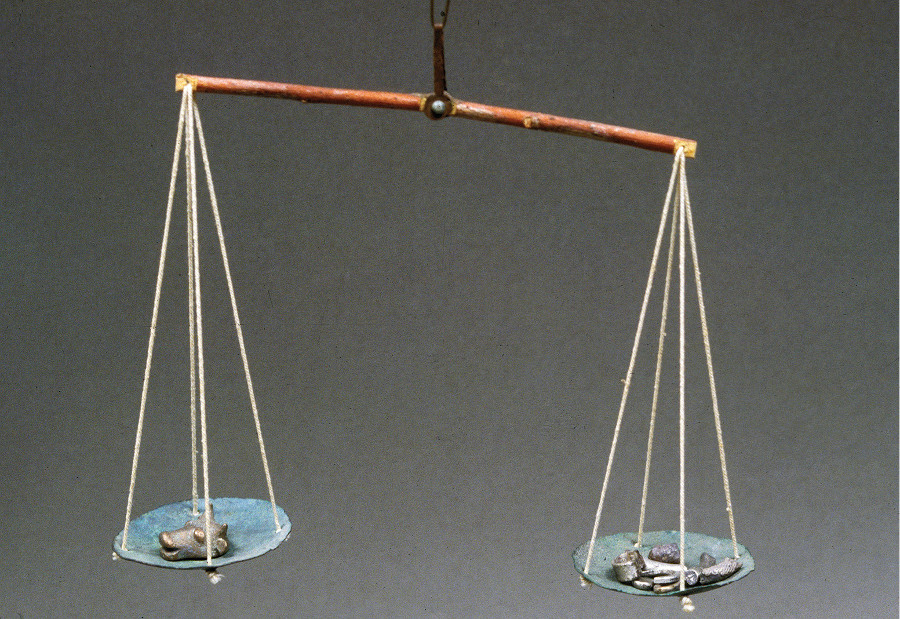
Reconstruction with original parts of a Roman period scale. “The LORD detests dishonest scales, but accurate weights find favor with him” (Pr 11:1).
Z. Radovan/www.BibleLandPictures.com
Return to the main text.
11:2 When pride comes, then comes disgrace. Along with destruction (see 16:18; cf. the humbling of proud Assyria in Isa 10:12; cf. also Isa 14:13–15). with humility comes wisdom. Along with honor (see note on 15:33).
11:3 integrity . . . guides them. Cf. the actions of Joseph in Ge 39:6–12. unfaithful are destroyed. See v. 6; 2:22 and note; 19:3. duplicity. Cf. Lk 20:23.
11:4 day of wrath. The day of judgment (Isa 10:3; Zep 1:18). righteousness delivers from death. See 2:16–18; 3:2; 10:2; 13:21.
11:5 blameless. See note on 2:7. makes their paths straight. Enables them to reach their goals (see v. 3; 3:6 and note; 10:9).
11:6 righteousness . . . delivers them. See vv. 3–4. trapped. See 5:22 and note.
11:7 For the thought in the NIV text note, see v. 23; 10:28.
11:8 trouble . . . falls on the wicked instead. Cf. the rescue of Mordecai and the execution of Haman in Est 5:14; 7:10 (see note there).
11:9 destroy their neighbors. By spreading slander (cf. 10:18). through knowledge. Perhaps the knowledge of the schemes and distortions of the godless (cf. Jn 2:25).
11:10 city rejoices. See 28:12; 29:2. Thus life in the city is itself a teacher of wisdom (see note on 1:21). shouts of joy. Cf. the joy at the fall of Assyria (see Isa 30:32 and note; Na 3:19; cf. 2Ch 21:20).
11:11 blessing of the upright. Their good influence and desire for justice, as well as their prosperity (v. 10), bring honor to the city. mouth of the wicked. Their deceit, dishonesty and sowing of discord (see v. 9; 6:12–14 and notes).
11:12 derides their neighbor. Shows their contempt openly (10:18; 14:21). holds their tongue. See 10:19 and note.
11:14 See the close parallels in 15:22; 20:18; 24:6. advisers. See 2Sa 16:23; Isa 1:26.
11:16 Assumes that “a good name is more desirable than great riches” (22:1) and insightfully observes that a woman, if she is kindhearted, will be accorded more respect than wealthy men if they are ruthless. kindhearted woman. See 31:28,30.
11:17 benefit themselves. See Mt 5:7. bring ruin on themselves. See Ge 34:25–30; 49:7.
11:18 deceptive wages. Because they do not last (see notes on 10:2,16; see also Hag 1:6). reaps a sure reward. See 10:24; Gal 6:8–9; Jas 3:18.
11:19 attain life. See 10:16 and note; 12:28; 19:23. finds death. See 5:23; 21:16; Ro 6:23; Jas 1:15.
11:20 detests those whose hearts are perverse. See 3:32 and note; 16:5. blameless. See note on 2:7.
11:21 will not go unpunished. See 6:29. will go free. See Ps 118:5.
11:22 gold ring. Commonly worn by women through piercings in their noses (see Ge 24:47; Eze 16:12 and note). shows no discretion. By contrast, Abigail was praised by David for her display of “good judgment” (1Sa 25:33).
11:23 See 10:24,28. wrath. Judgment (v. 4; Isa 10:3; Zep 1:18; Ro 2:8–9).
11:24 Generosity is the path to blessing and further prosperity (see 3:9–10; Ecc 11:1–2 and notes; Ps 112:9; 2Co 9:6–11). By contrast, the stingy do not make friends and hurt themselves in the long run (21:13; cf. 23:6–8 and notes; Jn 12:24–25; see also NIV text note on 23:7).
11:25 generous person will prosper. “For they share their food with the poor” (22:9). “Whoever sows generously will also reap generously” (2Co 9:6; cf. Lk 6:38). be refreshed. See Ro 1:12 and note; 15:32.
11:26 hoards grain. Probably in times of scarcity to raise the price. pray God’s blessing on. Cf. 10:6.
11:27 Whoever seeks good finds favor. Like the person in v. 25 (cf. Mt 7:12). evil comes to one who searches for it. One’s wicked schemes will backfire (see v. 8; 1:18 and notes).
11:28 Those who trust in their riches. Usually said of the wicked (see Ps 49:6; 62:10 and note; cf. 1Ti 6:17). like a green leaf. See Ps 1:3 and note; Ge 49:22; Jer 17:8.
11:29 Whoever brings ruin on their family will inherit only wind. The inheritance of Levi and Simeon was affected because of their cruelty against Shechem (Ge 34:25–30; 49:5–7). See 15:27 and note. servant to the wise. As those who are evil serve the good (14:19; cf. 17:2).
11:30 fruit of the righteous. What the wise produce (8:18–19). tree of life. See note on 3:18. saves lives. By winning people over to wisdom and righteousness (Da 12:3; 1Co 9:19–22; Jas 5:20).
11:31 the righteous receive their due. Even Moses and David were punished for their sins (see Nu 20:11–12; 2Sa 12:10 and notes). how much more the ungodly and the sinner! See 1:18,31 and notes; Ps 11:6; 73:18–19.
12:1 loves discipline loves knowledge. See 1:7; 10:17; see also 6:23 and note. hates correction is stupid. See 1:22; 5:12 and note.
12:2 obtain favor. See 3:4; 8:35. condemns those who devise wicked schemes. Cf. 14:17; Job 5:12–13; 1Co 3:19.
12:3 No one can be established. See 11:5. righteous cannot be uprooted. See 2:21; 10:25,30 and notes.
12:4 wife of noble character. Someone like Ruth (Ru 3:11). Such a woman is fully described in 31:10–31. her husband’s crown. She brings him honor and joy (see 4:9 and note). decay. See Hab 3:16 and note. his bones. See note on 3:8.
12:5 advice of the wicked is deceitful. See 1:10–19 and notes; Ps 1:1.
12:6 lie in wait for blood. See note on 1:11; see also 1:16. speech of the upright rescues them. See 11:3–4,6,9.
12:8 praised according to their prudence. See 3:4 and note. one with a warped mind is despised. See Dt 32:5; Titus 3:11 and note.
12:9 yet have a servant. Even people of moderate means had servants (Jdg 6:15,27). pretend to be somebody. Cf. 13:7.
12:10 care for the needs of their animals. See 27:23; Dt 25:4; Mt 12:11; see also chart (item 16). kindest acts of the wicked are cruel. Probably to both people and animals.
12:11 Repeated with slight variation in 28:19. chase fantasies. They scheme to make easy money.
12:12 desire the stronghold of evildoers. See 1:13 and note; 21:10. root of the righteous endures. They bear fruit, like firmly rooted trees (see vv. 3,7; 11:30; Ps 1:3; see also 10:25 and note).
12:13 trapped by their sinful talk. See 1:18 and note; 29:6. the innocent escape trouble. See 11:8–9 and notes; 21:23; 2Pe 2:9.
12:14 Those who speak wisely will reap a good harvest from their words, just as farmers enjoy the harvest of their crops (see 1:31 and note; Job 34:11).
12:15 seems right. But ends in death (see 1:25,30; 14:12; 16:25).
12:16 overlook an insult. Have good self-control (29:11; 2Sa 16:11–12).
12:17 false witness tells lies. See note on 6:19.
12:18 The words of the reckless. Cf. Ps 106:33. pierce like swords. See note on Ps 5:9. tongue of the wise brings healing. With soothing, comforting words (4:20–22; 15:4).
12:19 lasts only a moment. The lies will be refuted and the liar punished (19:9; Ps 52:4–5).
12:20 Deceit is in the hearts. See 6:14 and note; see also 1:31; 24:2; Ge 6:5. hearts. See note on Ps 4:7. those who promote peace have joy. “Blessed are the peacemakers” (Mt 5:9; cf. Jas 3:18 and note).
12:21 No harm. See 1:33 and note; 2:8; Ps 91:9–13; 121:7. their fill of trouble. See 1:31 and note; 11:5,8; 22:8; Job 4:8.
12:22 Compare the structure of this verse with that of 11:1,20. detests. See note on 3:32. people who are trustworthy. See 16:13.
12:23 keep their knowledge to themselves. Store up knowledge and use discretion (see 10:14 and note). blurts out folly. See v. 16; 13:16; 15:2,7,28; 29:11.
12:24 Diligent hands . . . laziness. Contrasted also in 10:4 (see note there). will rule. Cf. 17:2. forced labor. See Jdg 1:28; see also note on 2Sa 20:24.
12:25 Anxiety weighs down the heart. See Ps 94:19. kind word cheers it up. See 15:23; Isa 50:4.
12:26 choose their friends carefully. See 13:20; 18:24; 22:24. leads them astray. See 5:23; 14:22.
12:27 do not roast any game. And are too lazy to lift the food from the dish to their mouths (19:24). feed on the riches of the hunt. Cf. Ecc 5:19.
12:28 See 10:2 and note. there is life. Cf. 3:2 and note; 11:4. immortality. Cf. the identification of wisdom with the “tree of life” (3:18 [see note there]; cf. 14:32).
13:1 heeds his father’s instruction. See 1:8 and note; 4:1. mocker does not respond to rebukes. See 1:22; 9:7–8 and notes.
13:2 See 12:14 and note. have an appetite for violence. See 4:17 and note.
13:3 Those who guard their lips preserve their lives. “The tongue has the power of life and death” (18:21; cf. Jas 3:1–12). The ability to control the tongue is one of the clearest marks of wisdom. See 10:19 and note. those who speak rashly will come to ruin. See 10:14; 12:18 and note; 18:7.
13:4 sluggard’s. See 6:6 and note. appetite is never filled. Is never satisfied, yet the sluggard refuses to work (21:25–26). desires of the diligent are fully satisfied. Diligence yields a profit (see 6:6; see also notes on 10:4,24).
13:5 bring shame on themselves. Like a lazy son (10:5; cf. 19:26).
13:6 This contrast repeats the thought of 2:21–22; 10:9; 11:3,5 (see notes there); cf. 21:12; Ps 25:21.
13:7 Both pretenses are wicked, defrauding society and defaming the Lord (see 14:8 and note; see also 11:24 and note; 12:9).
13:8 may ransom their life. May pay off robbers or enemies (see 10:15 and note; Jer 41:8).
13:9 light . . . lamp. Symbols of life (cf. Job 3:20). shines brightly. There is joy and prosperity (see note on 4:18). lamp of the wicked is snuffed out. Their lives will end (20:20; 24:20; Job 18:5; 21:17).
13:10 pride. See 11:2 and note.
13:11 Dishonest money dwindles away. Such as wealth gained by extortion (Ps 62:10) or deceit (Pr 21:6). See note on 10:2; see also Jer 17:11. makes it grow. See note on 10:4.
13:12 Hope deferred makes the heart sick. Cf. Ge 30:1. longing fulfilled is a tree of life. It revives and strengthens (see note on 3:18; see also 10:28; 13:19).
13:13 Whoever scorns instruction will pay for it. See 1:29–31; 5:12 and note. whoever respects a command is rewarded. With the benefits wisdom gives (see 3:2 and note; 3:16–18; 16:20; cf. 13:21).
13:14 fountain of life. See note on 10:11. from the snares of death. See notes on 1:17; 5:22; see also 7:23; 22:5.
13:15 wins favor. See 3:4; 8:35. leads to their destruction. See v. 13 and note.
13:17 falls into trouble. Perhaps by misrepresenting the sender, not delivering the message, or delivering it late. brings healing. A tactful, honest approach benefits both parties (see 25:13; cf. 12:18; 15:4).
13:18 comes to poverty and shame. See 5:10–12 and notes; see also article. whoever heeds correction is honored. See v. 1; 3:16–18; 8:35; 10:17.
13:19 longing fulfilled. See v. 12. fools detest turning from evil. Cf. their hatred of correction in 5:12.
13:20 Walk with the wise and become wise. So choose your friends with care (2:20; 12:26). companion of fools suffers harm. See 1:10,18; 2:12; 16:29; 22:24–25; cf. 1Co 15:33 and note.
13:22 is stored up for the righteous. Job agrees that this is often what happens to the possessions of the wicked (Job 27:16–17; cf. Pr 28:8; Ecc 2:18–21).
13:23 injustice sweeps it away. Probably a case of the rich and powerful oppressing the poor (see Am 2:6–7 and notes; cf. Ps 35:10).
13:24 Whoever spares the rod hates their children. Parents are encouraged to apply the rod of “discipline” to drive out folly (22:15) so that the child will not follow a path of destruction (19:18; 23:13–14). The rod and a reprimand “impart wisdom” (29:15) and promote a healthy and happy family life (29:17). Discipline is rooted in love (see 3:11–12 and note). rod. Probably a figure of speech for caring discipline of any kind; not to be used as an excuse for child abuse (cf. Eph 6:4 for balance).
13:25 States more specifically the teaching of vv. 13,18,21,23; see 10:3 and note.
14:1 wise woman builds her house. She is a source of strength and an example of diligence for her family (31:10–31). Cf. the house built by wisdom in 9:1; contrast 9:14.
14:2 fears the LORD. See note on 1:7.
14:3 lips of the wise protect them. Cf. Ecc 9:13–18.
14:4 Perhaps the thought is that people need to take good care of their oxen (the means of production) if they expect an abundant harvest (see 12:10 and note). manger. The food trough from which the oxen ate.
14:6 mocker. See 1:22; Ps 1:1 and notes. seeks wisdom and finds none. Because of refusal to fear the Lord or accept any correction.
14:8 folly of fools is deception. What fools believe to be prudent (but is really folly) does not bring success; instead, it tends toward their ruin.
14:9 mock at making amends for sin. Cf. 19:28. goodwill . . . among the upright. See 11:27.
14:10 No one else can really know our inmost thoughts and feelings, but we are called on to empathize with others as best as we can (cf. Ro 12:15). knows its own bitterness. See 1Ki 8:38. Cf. the experience of Hannah (1Sa 1:10) and Peter (Mt 26:75). can share its joy. Cf. Mt 13:44; 1Pe 1:8.
14:12 Repeated in 16:25. in the end it leads to death. See 5:4,23; 7:21–27; Mt 7:13–14.
14:13 in laughter the heart may ache. Cf. Ezr 3:11–12. rejoicing may end in grief. As the death of Rachel in childbirth (Ge 35:16–18).
14:14 See 1:31; 12:14 and notes; see also 11:5,8; 18:20; 22:8; Job 4:8.
14:15 simple. See note on 1:4. give thought to their steps. See 4:26 and note; 21:29.
14:16 fear the LORD and shun evil. See notes on 1:7; 3:7. hotheaded. Cf. 21:24. yet feels secure. Both people and nations can have a false sense of security (cf. 27:24; Jdg 18:7; Isa 32:9–13; 47:8–11; Jer 22:21; Da 8:25; 11:21,24; Am 6:1; Zec 1:15 and note).
14:17 quick-tempered. See v. 29; Titus 1:7. who devises evil schemes. Cf. 12:2; Job 5:12–13; 1Co 3:19.
14:18 crowned with knowledge. Adorned and blessed with knowledge (see note on 4:9; see also v. 24; 12:4; Ps 103:4).
14:19 Evildoers will bow down. Cf. 17:2. at the gates of the righteous. In submission and perhaps to beg for a favor (cf. 1Sa 2:36).
14:20 shunned even by their neighbors. And sometimes by their relatives (19:7).
14:21 It is a sin to despise one’s neighbor. On the contrary, “love your neighbor as yourself” (Lev 19:18; see note there). blessed is the one who is kind to the needy. Sharing food (22:9), lending money (28:8) and defending rights (31:9) are ways one can show kindness. Such a person “honors God” (v. 31; cf. 17:5) and “will lack nothing” (28:27). Cf. 21:13; Ps 41:1.
14:22 plot evil. See 3:29; 6:14,18; Mic 2:1. go astray. See 5:23; 12:26. find love and faithfulness. Receive the support and care of faithful friends (cf. 3:3; 16:6; 20:28)—perhaps God’s support and care are also implied here. love and faithfulness. See Ps 26:3 and note.
14:23 hard work brings a profit. See note on 10:4; see also 21:5.
14:24 wealth . . . is their crown. The wise obtain wealth, and it adorns them like a crown (see 10:22 and note). yields folly. An empty inheritance (v. 18; 3:35).
14:25 See v. 5; 12:17; see also note on 6:19.
14:26 fears the LORD. See 1:7; 3:7 and notes. secure fortress . . . refuge. The godliness of parents will result in blessing for themselves and their children (20:7), and the fear of the Lord will be a strong tower where the children also can find refuge (18:10; Ps 71:7; Isa 33:6).
14:27 See note on 10:11; see also 13:14.
14:29 patient. See 15:18; 16:32; 19:11; Jas 1:19. quick-tempered. See v. 17; cf. Eph 4:26.
14:30 gives life to the body. Cf. the healthy effects of fearing the Lord and walking in wisdom in 3:7–8,16–18. envy rots the bones. See note on 3:8; see also 12:4; Ps 37:7–8.
14:31 shows contempt for their Maker. Because God created both the rich and the poor in his image (see 17:5; 22:2; Ge 1:26 and note; Job 31:15; Jas 3:9). kind to the needy. See note on v. 21. honors God. Does God’s will, and in a sense gives to God himself (see 19:17 and note; Mt 25:40; cf. Jas 2:1–3).
14:32 wicked are brought down. See 1:26 and note; 11:5; 24:16. even in death the righteous seek refuge in God. Their faith in God gives them hope beyond the grave (see 12:28; Ps 49:15 and notes).
14:33 even among fools she lets herself be known. Perhaps means that even fools occasionally display a bit of wisdom (cf. Ac 17:27–28; Ro 1:19–20), but see NIV text note.
14:34 Righteousness exalts a nation. See note on 11:11. Israel was promised prosperity and prestige if they obeyed God’s laws (see Dt 28:1–14). sin condemns any people. The Canaanites were eventually driven out because of their terrible sin (see Ge 15:16 and note; Lev 18:24–25), and Israel later fell under the same curse (Dt 28:15–68; cf. 2Sa 12:10).
14:35 arouses his fury. See 16:14 and note; 19:12; Da 2:12.
15:1 gentle answer turns away wrath. Cf. the way Gideon calmed the anger of the men of Ephraim in Jdg 8:1–3 (cf. also Pr 15:18; Ecc 10:4). harsh word stirs up anger. Nabal’s sarcastic response put David in a fighting mood (1Sa 25:10–13).
Traits to be promoted | |
avoidance of strife | |
compassion for animals | |
contentment | |
diligence | |
faithful love | |
faithfulness | |
generosity | |
honesty | |
humility | |
integrity | |
kindness to others | |
kindness to enemies | |
leadership | |
loyalty | |
nobility | |
patience | |
peacefulness | |
praiseworthiness | |
righteousness | |
self-control | |
strength and honor | |
strength in adversity | |
teachableness | |
truthfulness | |
Traits to be avoided | |
anger | |
antisocial behavior | |
beauty without discretion | |
blaming God | |
dishonesty | |
greed | |
hatred | |
hot temper | |
immorality | |
inappropriate desire | |
injustice | |
jealousy | |
lack of mercy | |
laziness | |
maliciousness | |
meddling | |
pride | |
quarrelsomeness | |
self-conceit | |
self-deceit | |
self-glory | |
self-righteousness | |
social disruption | |
stubbornness | |
unfaithfulness | |
unneighborliness | |
vengeance | |
wickedness | |
wicked scheming | |
Adapted from Expositor’s Bible Commentary - Abridged Edition: The Old Testament by Kenneth L. Barker; John R. Kohlenberger III. Copyright © 1994 by the Zondervan Corporation. Used by permission of Zondervan.
Go to the Charts Index.
15:2 gushes folly. See vv. 7,28; 12:23; 13:16.
15:3 eyes of the LORD are everywhere. See 5:21; Job 31:4; 34:21; Jer 16:17; 32:19.
15:4 soothing tongue. See note on 12:18. tree of life. See note on 3:18. perverse tongue crushes the spirit. Especially false testimony in court (see 6:19 and note; 22:22) or slander in the community.
15:6 See 10:2,16,22 and notes. great treasure. See 8:18,21; 24:4; Zec 8:12 and note; see also note on 3:10.
15:8 detests the sacrifice of the wicked. Those whose hearts are not right with God gain nothing by offering sacrifices (see Ecc 5:1; see also Pr 21:3; Isa 1:11–15; Jer 6:20 and notes). prayer of the upright. See 3:32.
15:9 who pursue righteousness. See 21:21; 1Ti 6:11.
15:10 the path. The right (or “straight”) path (2:13). one who hates correction will die. See 5:12,23 and notes.
15:11 Death and Destruction. See 27:20 and note. lie open before the LORD. Not even the grave, the netherworld, is inaccessible to God (see Job 26:6 and note; Ps 139:8). Therefore he knows the secrets of everyone’s inmost being (cf. 1Sa 16:7 and note).
15:12 See 1:30; 10:8; 13:1; 17:10. Mockers. See note on 1:22.
15:13 happy heart makes the face cheerful. Cf. 14:30. heartache crushes the spirit. Cf. the great sorrow of Job (Job 3) and David (Ps 51:8,10).
15:15 cheerful heart has a continual feast. Life is as joyful and satisfying as the days of a festival (see v. 13; 14:30; cf. Lev 23:39–41).
15:16 fear of the LORD. See 1:7 and note. great wealth with turmoil. The “ill-gotten treasures” of 10:2 (see note there).
15:17 fattened calf. Such meat was a luxury, reserved for special occasions (cf. 7:14; Mt 22:4; Lk 15:23).
15:18 stirs up conflict. See note on 6:14. patient. See 14:29; 16:32; 19:11; Jas 1:19.
15:19 sluggard. See note on 6:6. blocked with thorns. Mainly because he was too lazy to remove them (24:30–31; Hos 2:6). highway. The upright can make progress and reach their goals (see note on 3:6).
15:22 See the close parallels in 11:14; 20:18; 24:6.
15:23 apt reply. Cf. Isa 50:4. how good is a timely word! Cf. 24:26.
15:24 leads upward. Along the “highway” (v. 19), the “straight course” (v. 21) that leads to life. to keep them from going down to the realm of the dead. See note on 2:18.
15:25 tears down the house of the proud. See 2:22; 14:11; see also 10:25 and note. sets the widow’s boundary stones in place. In ancient times boundary stones marked a person’s property. Anyone who moved such a stone was, in effect, stealing land (see 22:28; 23:10; Job 24:2; Dt 19:14 and note; see also photos here and here).
15:26 detests the thoughts of the wicked. Cf. vv. 8–9. gracious words are pure. See 22:11; Ps 24:4 and note.
15:27 The greedy bring ruin to their households. See 1:19; 11:29; 28:25. Achan’s whole family perished because of his greed at Jericho (see Jos 7:24 and note). one who hates bribes will live. See 17:8 and note; 28:16.
15:28 weighs its answers. Cf. 10:32; 1Pe 3:15. gushes evil. See v. 2; see also v. 7; 12:23.
15:29 far from the wicked. See 1:28 and note.
15:30 Light in a messenger’s eyes brings joy. Cf. v. 13; 16:15; Job 29:24. good news gives health to the bones. See 3:8 and note; see also Php 2:19.
15:31 Whoever heeds life-giving correction. See 1:23; 6:23 and note.
15:32 Those who disregard discipline despise themselves. See note on 5:12; see also 1:7; 5:23; 8:36. one who heeds correction. Cf. vv. 5,31.
15:33 fear the LORD. See note on 1:7. humility comes before honor. See 18:12; 25:6–7; Mt 23:12; Lk 14:11 and note; 18:14; 1Pe 5:6. Wisdom also comes with humility (11:2; 13:10).
16:1–9 These verses emphasize the Lord’s sovereign control of people’s lives.
16:1 from the LORD comes the proper answer of the tongue. Either an acknowledgment that God must give the ability to articulate and accomplish those “plans” or, more likely, that God’s sovereign governance of human affairs overrides human intentions (see vv. 4,9 and notes; cf. 19:21; see also Ge 50:20 and the experience of Balaam in Nu 22–24).
16:2 ways seem pure to them. See 14:12 and note. motives are weighed by the LORD. See 21:2; 24:12 and note; Ps 139:23; 1Co 4:4–5; Heb 4:12.
16:3 Commit. See 1Pe 5:7. he will establish your plans. Your goals will be reached (see 3:5–6 and notes; Ps 1:3; 55:22; 90:17).
16:4 The middle verse of this section of Proverbs (10:1—22:16; see 10:1 and note), aptly summarizing the Lord’s sovereignty over every human thought and action. The verse also occupies the central position in a series of seven verses (1–7) at the beginning of ch. 16—the middle chapter in the book of Proverbs. Each of the seven verses features the name Yahweh, again stressing his supreme position as Lord over all. works out everything to its proper end. God is sovereign in every life and in all of history (Ecc 7:14; Ac 3:17–18; Ro 8:28). the wicked for a day of disaster. God displays his power even through the wicked (cf. Ex 9:16), and all evil will be judged (cf. Eze 38:22–23; Ro 2:5–11).
16:6 Through love and faithfulness sin is atoned for. The moral quality of conduct that God desires is sometimes summed up as “love and faithfulness” (3:3; see Ps 26:3; Hos 4:1 and notes). When his people repent of sin and bring their lives into accord with his will, God forgives and withdraws his judgment (see Isa 1:18–19; 55:7; Jer 3:22; 18:7–10 and note; Eze 18:23, 30–32; 33:11–12,14–16; Hos 14:1–2, 4). Thus it can be said that love and faithfulness, in a manner of speaking, atone for sin, i.e., they turn away God’s wrath against it. fear of the LORD. See note on 1:7. evil is avoided. See 3:7 and note.
16:7 causes their enemies to make peace with them. As in the reigns of godly Asa and Jehoshaphat (2Ch 14:6–7; 17:10). peace. See 3:17; Ro 12:18 and notes; Heb 12:14.
16:9 the LORD establishes their steps. Verses 1,3–4 (see notes there) also emphasize God’s control of people’s lives (19:21; 20:24; Ps 37:23; Jer 10:23).
16:10 speak as an oracle. In judging cases brought before him, a king functioned as God’s representative (Dt 1:17). Therefore he needed the divine gift of wisdom to discern between right and wrong in order to render God’s judgment (1Ki 3:9). When he did so, his judgment was tantamount to a divine word for the people (see 2Sa 14:17; 1Ki 3:28 and notes).
16:11 See note on 11:1. Honest scales . . . belong to the LORD. Cf. 21:2; 24:12; Job 6:2; 31:6. all the weights in the bag. Merchants carried stones of different sizes with them to weigh and measure quantities of silver for payment (cf. Mic 6:11). See photo.
16:12–15 A series of four proverbs highlighting the rule of the king as chief political executive in the life of the community (cf. v. 10; Dt 17:14–20).
16:12 throne is established through righteousness. True when the king “judges the poor with fairness” (29:14), refuses to take bribes (29:4) and removes any wicked advisers (25:5). See 14:34; Dt 17:19–20; Isa 16:5; Ro 13:3–4.
16:13 in honest lips. Rather than in flattering lips (cf. 26:28).
16:14 messenger of death. Any angry king can pronounce death quickly and effectively (19:12; Est 7:7–10; Mt 22:7; Lk 19:27). the wise will appease it. Cf. Daniel’s response to the rage of Nebuchadnezzar (Da 2:12–16).
16:15 face brightens. Cf. Nu 6:25 and note; La 4:20. his favor is like a rain cloud in spring. The spring rain was essential for the full development of barley and wheat; it was therefore a sign of good things to come. Cf. the “dew” of 19:12; see Ps 72:6.
16:16 See 1:13; 3:14 and notes; 8:10,19.
16:17 highway of the upright. See notes on 3:6; 15:19. avoids evil. Cf. the thorns and snares in the paths of the wicked (22:5).
16:18 See 11:2 and note; cf. 1Co 10:12.
16:19 Better to be lowly in spirit. See 3:34; Isa 57:15; Mt 5:3 and note. share plunder with the proud. See 1:13–14; Jdg 5:30.
16:20 prospers. See 13:13; 28:25 and notes. blessed is the one who trusts in the LORD. See v. 3; 3:5–6; Ps 34:8; 37:4–5; 84:12.
16:21 gracious words promote instruction. Cf. the last line of v. 23. “Gracious” (or “sweet”) is expanded in v. 24. Cf. the persuasive but destructive words of the adulterous woman in 7:21.
16:22 fountain of life. See note on 10:11. punishment to fools. See 13:13 and note; see also 7:22; 13:15; 15:10.
16:23 make their mouths prudent. See 22:17–18.
16:24 Gracious words are a honeycomb. They are good for you (24:13–14), and they taste good (cf. 2:10; Ps 19:10). healing to the bones. See notes on 4:22; 12:18; 15:30. bones. See note on 3:8.
16:26 Cf. 2Th 3:10: “The one who is unwilling to work shall not eat”; see also Ecc 6:7; Eph 4:28.
16:27 A scoundrel. See 6:12 and note. plots evil. See 3:29; 6:14; Mic 2:1. scorching fire. Their speech is inflammatory and destructive (Jas 3:6).
16:28 stirs up conflict. See note on 6:14. gossip. See 11:13.
16:29 See 1:10–19 and notes; cf. Ro 1:32.
16:30 winks with their eye. See note on 6:13. purses their lips. Thereby making insinuations (see note on 6:12–14).
16:31 Gray hair is a crown of splendor. The elderly were to receive deep respect (Lev 19:32). in the way of righteousness. See 3:1–2,16.
16:32 patient . . . warrior. See 14:29; 15:18; 19:11; Jas 1:19. “Wisdom is better than weapons of war” (Ecc 9:18). one with self-control than one who takes a city. Although those who practice patience and self-control receive far less attention and acclaim than a warrior who takes a city, they accomplish better things.
16:33 The lot is cast into the lap. The lot was commonly used to make decisions (see notes on Ex 28:30; Nu 26:53; Ne 11:1; Jnh 1:7; Ac 1:26; see also Ps 22:18). every decision is from the LORD. God, not chance, is in control (vv. 1,3–4,9).
17:2 A prudent servant will rule over a disgraceful son. See 11:29 and note. disgraceful son. See 10:5; 19:26; 28:7; 29:15.
17:3 The first line of this verse is repeated in 27:21. The crucible . . . the furnace. Silver and gold were refined to remove their impurities (see Ps 12:6 and note). tests the heart. See 15:11; 16:2 and notes; Jer 17:10. heart. See note on Ps 4:7.
17:5 Whoever mocks the poor shows contempt for their Maker. See 14:31 and note. whoever gloats over disaster will not go unpunished. The people of Edom in particular were condemned for gloating over the collapse of “brother” Jacob/Israel (Ob 10; see Eze 35:12,15; see also Pr 24:17).
17:6 crown to the aged. Cf. the “gray hair” of 16:31. To live to see one’s grandchildren was considered a great blessing (Ge 48:11; Ps 128:5–6). parents are the pride of their children. See Ge 47:7.
17:7 For the structure of this verse, cf. 15:11; 19:7,10; 21:27. lying lips to a ruler. A successful ruler depends on honest and just people under him (12:22; 16:12–13).
17:8 A bribe is seen as a charm. A sad commentary on human behavior (18:16; 21:14; Ecc 10:19). Elsewhere, bribes are condemned (v. 23; 15:27; 28:16; Ex 23:8; Dt 16:19; 1Sa 12:3; Ecc 7:7; Isa 1:23; Am 5:12; 1Ti 6:10).
17:9 Whoever would foster love covers over an offense. See 10:12 and note.
17:10 rebuke impresses a discerning person. See 9:8–9. a hundred lashes a fool. Fools deserved and received flogging (cf. 10:13; 19:25,29; 26:3; Dt 25:2–3).
17:11 messenger of death. See 16:14 and note; cf. the dispatching of Abishai and Joab to end Sheba’s rebellion against David (2Sa 20:1–22; see 1Ki 2:25, 29,46).
17:12 bear robbed of her cubs. Sure to attack you and rip you open (see 2Sa 17:8; Hos 13:8; cf. the raging of the fool in 29:9).
17:13 Evil will never leave the house. Such was the fate of David’s family after his affair with Bathsheba and the murder of Uriah (see 2Sa 12:10 and note; cf. Jer 18:20–23). one who pays back evil for good. Like Nabal, who refused to reward David’s men (1Sa 25:21; see Ps 109:5; Ro 12:17–21).
17:15 Acquitting the guilty. Perhaps because of a bribe (v. 8; 24:24).
17:16 fools have money in hand. Perhaps to pay the fee for their schooling.
17:17 friend loves at all times. See 18:24; cf. David’s friendship with Jonathan (2Sa 1:26; see Lev 19:18 and note; Ru 1:16; 1Co 13:4–7).
17:19 Whoever loves a quarrel loves sin. A “hot-tempered person commits many sins” (29:22). The humble, wise person avoids quarrels (2Ti 2:14–16). builds a high gate. To build strong defenses (to protect something precious) invites attacks. Alternately, the gate may stand for the whole house built overly large because of its owner’s pride (cf. 16:18; 29:23). Some, however, render the ambiguous Hebrew as “opens his mouth wide,” meaning brags too much and so “invites destruction,” including his own (cf. 16:18; 29:23).
17:20 does not prosper. Contrast 16:20. whose tongue is perverse. See note on 2:12.
17:21 grief . . . no joy. See v. 25; 19:13.
17:22 cheerful heart. See 14:30; 15:13,30; 16:15. crushed spirit dries up the bones. See notes on 3:8; 14:30; see also 12:4; Ps 32:3.
17:23 accept bribes. See note on v. 8.
17:24 wander to the ends of the earth. Fools “chase fantasies” (12:11) and are interested in everything except wisdom (cf. Dt 30:11–14).
17:25 See v. 21. bitterness. See 14:10 and note.
17:26 imposing a fine on the innocent. See v. 15. flog honest officials. See v. 10 and note; cf. the beating and disgrace endured by Jeremiah (Jer 20:2; 38:1–6).
17:27 uses words with restraint. See 10:19. even-tempered. See 16:32 and note.
17:28 fools are thought wise if they keep silent. Cf. Job’s sarcastic comment in Job 13:5 (see note there).
18:1 pursues selfish ends. He is quarrelsome and hot-tempered (cf. 17:14).
18:2 airing their own opinions. See Ecc 10:3.
18:3 shame . . . reproach. Cf. 3:35; 6:33; 10:5; 11:2; Ps 31:17.
18:4 deep waters. Profound or obscure (cf. 20:5). fountain of wisdom is a rushing stream. A wise person’s words are refreshing and a source of life (see 1:23; 10:11 and notes).
18:5 partial to the wicked. See 17:15 and note. Favoritism of any kind was condemned in the law (Lev 19:15; Dt 1:17; 16:19; cf. Pr 28:21). deprive the innocent of justice. See 17:26; 31:5; Mal 3:5.
18:6 bring them strife. Fools are quick to quarrel (17:14,19; 20:3). invite a beating. By a rod on their backs (10:13; 19:29).
18:8 Repeated in 26:22. words of a gossip are like choice morsels. They are as pleasant as words of wisdom (cf. 16:21,23), but they promote dissension (11:13; 26:20). they go down to the inmost parts. Where they are thoroughly digested and so are carried about and live on and on.
18:9 who is slack in his work. See 10:4 and note.
18:10 name of the LORD. His “name” often equals his “person,” since it expresses his nature and qualities (see Ex 3:14–15 and notes). fortified tower. See Ps 18:2 and note; 91:2; 144:2. safe. See 29:25; Ps 27:5.
18:11 wealth . . . is their fortified city. Identical to the first line in 10:15 (see note there). wall too high to scale. But God can bring it down (Isa 25:12).
18:12 humility comes before honor. Identical to the second line in 15:33 (see note there).
18:14 See 15:13; 17:22 and notes.
18:16 A merely descriptive rather than a prescriptive proverb, as v. 17 shows. A gift opens the way. See 17:8 and note.
18:17 A warning to judges to hear both sides of a case (cf. Dt 1:16), but applicable to many situations.
18:18 Casting the lot settles disputes. See 16:33 and note.
18:19 A brother wronged. Cf. Esau’s anger because of the blessing Jacob received from Isaac (Ge 27:41).
18:21 tongue has the power of life and death. See notes on 10:19; 13:3; cf. Jas 3:6–10. its fruit. See v. 20.
18:22 who finds a wife finds what is good. See 12:4 and note; 19:14; 31:10. receives favor from the LORD. Identical to the second line in 8:35—where finding wisdom brings the Lord’s favor.
18:24 One who has unreliable friends soon comes to ruin. One must choose friends carefully (see 12:26 and note; 17:17).
19:1 Almost identical to 28:6. blameless. See note on 2:7. than a fool. Even if the fool becomes rich (28:6).
19:2 Desire without knowledge. Cf. Ro 10:2 and note. hasty. Haste can lead to poverty (21:5) or folly (29:20). miss the way. Fail to achieve one’s goal.
19:3 their heart rages against the LORD. God is blamed for one’s troubles (see Ge 4:5; Isa 8:21; cf. La 3:39).
19:6 curry favor. Cf. Job 11:19. friend of one who gives gifts. Generosity (v. 4) or bribery (17:8) could be in view.