Study Notes
1:1–3 The background and setting of Jeremiah’s call are stated concisely but comprehensively.
 1:1 The words of. See 36:10; see also Ne 1:1; Ecc 1:1; Am 1:1; cf. Dt 1:1. Jeremiah. For the meaning of his name, see Introduction: Author and Date. Eight other OT men had the same name (1Ch 5:24; 12:4,10,13; Ne 10:2; 12:1,12,34), two of whom were the prophet’s contemporaries (Jer 35:3; 52:1). Hilkiah. Means “The LORD is my portion.” For Hilkiah’s possible relationship to a priestly house dating back to King Solomon, see Introduction: Author and Date. Two other men named Hilkiah (a common OT name) were also Jeremiah’s contemporaries (see 29:3; Ezr 7:1 and note). priests. Like Ezekiel (Eze 1:3) and Zechariah (see Introduction to Zechariah: Author and Unity), Jeremiah was both a prophet and a member of a priestly family. Anathoth. See 11:21–23; 32:6–9. The Hebrew word is the plural form of the name of the Canaanite deity Anat(h), goddess of war. Anathoth had had priestly connections in Israel as early as the times of Joshua (Jos 21:18) and Solomon (1Ki 2:26), and its pagan origins had presumably been almost forgotten by Jeremiah’s time. Present-day Anata, three miles northeast of Jerusalem, preserves the ancient name and may be the ancient site itself. Benjamin. Anathoth was one of the four Levitical towns in the tribal territory of Benjamin (Jos 21:17–18), and after the exile Benjamites settled there again (Ne 11:31–32).
1:2 The word of the LORD came. The most common way of introducing a divine prophecy at the beginning of a prophetic book (see Eze 1:3; Jnh 1:1 and note; Hag 1:1; Zec 1:1 and note; cf. Hos 1:1; Joel 1:1 and note; Mic 1:1; Zep 1:1). to him. Beginning in v. 4, Jeremiah speaks in the first person (see, e.g., vv. 11,13; 2:1). thirteenth year. 626 bc (25:3). Josiah. See 3:6; 36:2. He was the last good and godly king of Judah. Jeremiah sympathized with and supported his attempts at spiritual reformation and renewal (22:15b–16), which began in earnest in 621 (2Ki 22:3—23:25; 2Ch 34:8—35:19; cf. 2Ch 34:3–7).
1:3 Jehoiakim. His predecessor (Jehoahaz) and successor (Jehoiachin) are not mentioned, since they each reigned only three months. In contrast to his father, Josiah, Jehoiakim was a wicked ruler (2Ki 23:36–37; 2Ch 36:5)—as Jeremiah discovered almost immediately (see Introduction: Background; see also 22:13–15a,17–19; 26:20–23). fifth month of the eleventh year. Av (July-August), 586 bc (52:12). Zedekiah. The last king of Judah (see Introduction: Background), as wicked in his own way as Jehoiakim (see 52:1–2; 2Ch 36:11–14; see also Jer 24:8; 37:1–2). exile. The main captivity of Judah’s people coincided with the destruction of Jerusalem and Solomon’s temple by Nebuchadnezzar in 586 (2Ki 25:8–11).
1:4–19 The account of Jeremiah’s call includes two prophetic visions (vv. 10–16) and some closing words of exhortation and encouragement (vv. 17–19).
 1:5 I formed you. See Isa 49:5. God’s creative act (Ge 2:7; Ps 119:73) is the basis of his sovereign right (18:4–6; Isa 43:21) to call Jeremiah into his service. I knew you. In the sense of making Jeremiah the object of his choice (see NIV text note). God’s choices are based on his knowledge and are not arbitrary. The Hebrew verb used here is translated “chosen” in Ge 18:19; Am 3:2. I set you apart. I consecrated you (cf. Jdg 13:5; Isa 49:1; Ro 1:1; Gal 1:15 and note). I appointed you. The Hebrew for this verb is not the same as that in v. 10, but both refer to the commissioning of the prophet. prophet. One who has been called to be God’s spokesperson (see Ex 7:1–2; 1Sa 9:9; Zec 1:1 and notes). nations. Although Judah’s neighbors are probably the primary focus (25:8–38; chs. 46–51), Judah itself is not excluded.
1:6 not know how to speak. Like Moses (see Ex 4:10 and note), Jeremiah claimed inability to be a prophet; God nevertheless made him his “spokesman” (15:19). too young. See 1Ki 3:7. Jeremiah’s objection is denied immediately by the Lord (v. 7).
1:7 Youth and inexperience do not disqualify when God calls (1Ti 4:12); he equips and sustains those he commissions.
1:8 Do not be afraid. See 10:5; 30:10; 40:9; 42:11; 46:27–28; 51:46; see also Isa 35:4 and note; 41:10,13–14; 43:1; Zep 3:11; Hag 2:5. I am with you. See v. 19; 15:20. God’s promise of his continuing presence should calm the fears of the most reluctant of prophets (see Ge 26:3; Ex 3:12–15; Jos 1:5 and notes). rescue. See v. 19; 15:20; 39:17. The Lord does not promise that Jeremiah will not be persecuted or imprisoned but that no disabling physical harm will come to him.
1:9 touched my mouth. Either in prophetic vision (see note on v. 11) or figuratively—or both (cf. Isa 6:7). I have put my words in your mouth. Continues the figure of speech begun earlier in the verse and provides a classic description of the relationship between the Lord and his prophet (5:14; Ex 4:15; Nu 22:38; 23:5,12,16; Dt 18:18; Isa 51:16; cf. 2Pe 1:21).
1:10 appoint. See note on v. 5. uproot and tear down . . . destroy and overthrow . . . build and . . . plant. See 12:14–15,17; 18:7–10; 24:6; 31:28; 42:10; 45:4. The first two pairs of verbs are negative, stressing the fact that Jeremiah is to be primarily a prophet of doom, while the last pair is positive, indicating that he is also to be a prophet of restoration—even if only secondarily. The first verb (“uproot”) is the opposite of the last (“plant”), and fully half of the verbs (“tear down,” “destroy,” “overthrow”) are the opposite of “build.”
1:11 What do you see . . . ? Often spoken by the Lord (or his representative) to introduce a prophetic vision (v. 13; Am 7:8; 8:2; Zec 4:2; 5:2).
1:12 watching. See NIV text note. Just as the almond tree (v. 11) blooms first in the year (and therefore “wakes up” early—the Hebrew word for “watching” means to be wakeful), so the Lord is ever watchful to make sure his word is fulfilled (Isa 55:10–11).
1:13 pot. The Hebrew for this word is translated “caldron” in Job 41:31 and stresses its large size (Eze 24:3–5).
1:14 From the north disaster. See note on Isa 41:25. will be poured out. The Hebrew for this word has a sound similar to that for “boiling” in v. 13. land. Judah (v. 15).
1:15 northern kingdoms. Since Assyria posed only a minimal threat to Judah after the death of Ashurbanipal in 627 bc, reference is most likely to Babylonia and its allies. set up their thrones in . . . the gates of Jerusalem. For the fulfillment, see 39:3. Since the gateway of a city was the place where its ruling council sat (see notes on Ge 19:1; Ru 4:1), the Babylonians replaced Judah’s royal authority with their own (cf. 43:10; 49:38). Cf. photo.

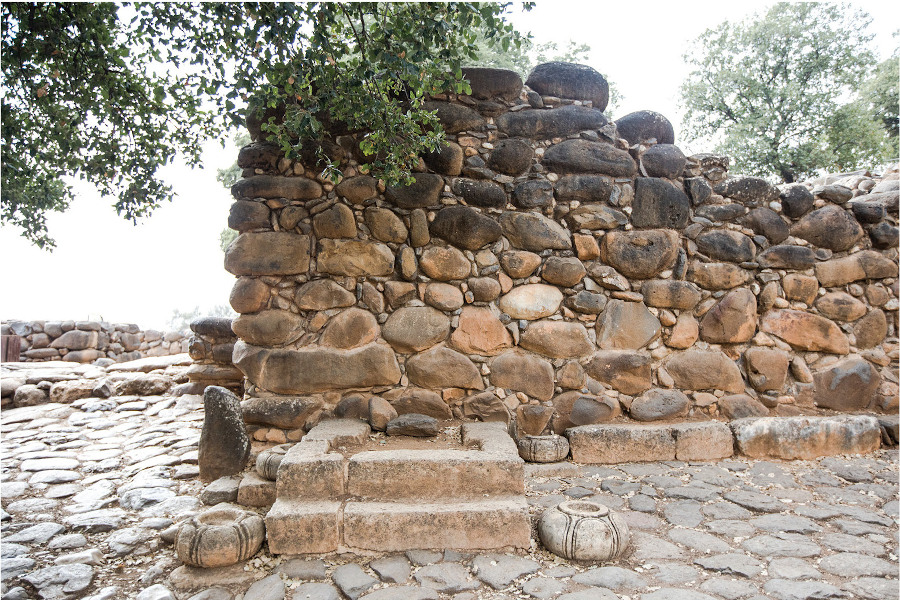
The throne/podium discovered at the city gate of Dan. “Their kings will come and set up their thrones in the entrance of the gates of Jerusalem” (Jer 1:15).
© 2018 by Zondervan
Return to the main text.
1:16 my judgments on my people. God, sovereign over his own, judges them for their sins, using the Babylonians as his agents of judgment. burning incense to other gods. A common feature of pagan worship (e.g., 7:9; 11:12–13,17; 18:15; 19:13; 32:29; 44:17). what their hands have made. Idols (16:19–20; 25:6; 2Ki 22:17; 2Ch 33:22; Isa 46:6).
1:17 Get yourself ready! For related expressions, see Ex 12:11; 1Ki 18:46; 2Ki 4:29; 9:1; Job 38:3; 40:7.
1:18 fortified city. A symbol of security and impregnability (5:17; Pr 18:11,19). iron pillar. Unique in the OT, the expression signifies dignity and strength from God. bronze wall. See 15:20. Jeremiah would be able to withstand the abuse and persecution that his divine commission would evoke, even though his enemies themselves would be “bronze and iron” (6:28). kings . . . officials . . . priests . . . people. The whole nation would defy the prophet and his God (see, e.g., 2:26; 23:8; 32:32).
1:19 See note on v. 8; see also 15:20.
2:1—6:30 It is generally agreed that these chapters are among Jeremiah’s earliest discourses, delivered during the reign of Josiah (3:6). The basic theme is the virtually total apostasy of Judah (chs. 2–5), leading inevitably to divine retribution through foreign invasion (ch. 6).
2:1—3:5 The wickedness and backsliding of God’s people are vividly portrayed in numerous colorful figures of speech.
2:2 devotion. The Hebrew for this word refers to the most intimate degree of loyalty, love and faithfulness that can exist between two people or between an individual and the Lord. youth . . . as a bride. Early in their history, Israel had enjoyed a close relationship with the Lord, who is often described figuratively as Israel’s husband (3:14; 31:32; Isa 54:5; Hos 2:16). you loved me. But later God’s people forsook him and loved “foreign gods” (v. 25), tragically abandoning their first love (cf. Rev 2:4). followed me. But later they followed “worthless idols” (vv. 5,8), “the Baals” (v. 23). wilderness. Sinai (see v. 6).
2:3 holy to the LORD. Set apart to him and his service (see notes on Ex 3:5; Lev 11:44; Dt 7:6). firstfruits. Just as the “best of the firstfruits” of Israel’s crops were to be brought to the Lord (Ex 23:19; see Nu 18:12; 2Ch 31:5; Eze 44:30), so also the people themselves were his first and choicest treasure (cf. Jas 1:18; Rev 14:4 and note). disaster overtook them. See, e.g., Ex 17:8–16.
2:4 Hear. A common divine imperative in prophetic writings, summoning God’s people—as well as the nations—into his courts to remind them of their legal obligations to him and, when necessary, to pass judgment on them (see, e.g., 7:2; 17:20; 19:3; 21:11; 22:2,29; 31:10; 42:15; 44:24,26; Isa 1:10; Eze 13:2; Hos 4:1; Am 7:16).
2:5 This is what the LORD says. The messenger formula, introducing God’s word through the prophet. strayed. See 4:1; 23:13,32; 31:19; 50:6; Isa 53:6; Eze 34:4–6, 16; 1Pe 2:25. followed worthless idols. See vv. 8,23; see also note on v. 2. “Worthless” is Jeremiah’s favorite way of describing idols (8:19; 10:8,15; 14:22; 16:19; 51:18). became worthless themselves. See 2Ki 17:15. Idolaters are no better than the idols they worship (see Ps 115:8 and note). They become like what they worship.
2:6 LORD . . . brought us up out of Egypt. The Lord, Israel’s Redeemer (see notes on Ge 2:4; Ex 3:15), freed his people from Egyptian bondage so that they might serve him alone (Ex 20:2–6). led us. As a shepherd leads his sheep (v. 17; Dt 8:15; Ps 23:2–3). land of deserts . . . land of . . . darkness. The desert often symbolized darkness with its attendant dangers, including death (see v. 31 and note; 9:10; 12:12; 17:6; 23:10; Ps 44:19).
2:7 defiled my land. Made it ceremonially unclean (see 3:1–2,9; 16:18; see also note on Lev 4:12). inheritance. The promised land, given by God to Israel as a legacy and often intimately associated with the people themselves (see especially 12:7–9,14–15). detestable. See note on Lev 7:21.
2:8 No one consulted the Lord (v. 6). priests . . . leaders . . . prophets. See note on 1:18. Those who deal with the law. Priests (see Dt 31:11 and note). leaders. Or “shepherds,” a term used elsewhere to denote rulers (23:1–4; 49:19; 50:44; see especially Eze 34:1–10,23–24). by Baal. In the name of Baal (cf. 11:21; 14:15; 23:25; 26:9; see note on Jdg 2:13). following worthless idols. See v. 23. worthless. See v. 11.
2:9 bring charges against. See note on v. 4; see also 25:31; Hos 4:1; 12:2; Mic 6:2.
2:10 Cyprus. See Nu 24:24; Eze 27:6 and notes. Kedar. Represents the eastern nations and regions (see NIV text note; see also 49:28; Isa 21:16 and note).
2:11 Has . . . gods? A rhetorical question, clearly expecting a negative answer and emphasizing how incredible is Judah’s practice of substituting idolatry for the worship of the Lord. their glorious God. See Ps 106:20; Hos 4:7; see also 1Sa 15:29. worthless. See note on v. 8.
2:12 Be appalled . . . you heavens. See note on Isa 1:2; see also Mic 6:1–2 and note. The Hebrew for these phrases offers a striking play on words: shommu shamayim.
2:13 See 1:16. forsaken me. See v. 19. me, the spring of living water. See 17:13. God himself provides life-giving power to his people (see Ps 36:9; see also note on Jn 4:10; Isa 55:1 and note; Rev 21:6). broken cisterns. Watertight plaster was used to keep cisterns from losing water. Idols, like broken cisterns, will always fail their worshipers; by contrast, God provides life abundant and unfailing (cf. Jn 10:10 and note).
2:14 Is . . . birth? Another rhetorical question (see note on v. 11), again expecting a negative answer in the light of God’s redemptive acts during the period of the exodus (Ex 6:6; 20:2). plunder. To Assyria and Egypt (vv. 15–16).
2:15 Lions. Probably symbolizing Assyria (see v. 18; 50:17; see also notes on 4:7; Isa 15:9). roared . . . growled. See Am 3:4. laid waste his land. See 4:7; 18:16; 50:3. towns are burned and deserted. The Hebrew for this phrase is very similar to that in 4:7, rendered there “towns will lie in ruins without inhabitant” (cf. 22:6).
2:16 Memphis. See 44:1; 46:14,19; see also note on Isa 19:13. Tahpanhes. Probably the city later called Daphnai by the Greeks, located just south of Lake Menzaleh in the eastern delta region of Egypt and known today as Tell Defneh (see 43:7–9; 44:1; 46:14; Eze 30:18; see also map).
2:17 he led you. See note on v. 6. the way. See Ex 18:8; 23:20; Dt 1:33.
2:18 See v. 36. The tendency of Israel or Judah to seek help alternately from Egypt and Assyria was not restricted to Jeremiah’s time (see, e.g., Isa 30:1–5; Hos 7:11; 12:2). drink water. Provided by enemies, whether national or spiritual, rather than by God (see v. 13; Isa 8:6–8 and notes).
2:19 backsliding. See 3:22; 5:6; 14:7. The word implies repeated apostasy. LORD Almighty. A title for God occurring about 75 times in Jeremiah—more than in any other OT book (see note on 1Sa 1:3).
2:20—3:6 The rebellion of Judah against God is vividly portrayed by Jeremiah with the use of numerous figures of speech.
2:20 Like a stubborn farm animal (Hos 4:16), Judah refuses to obey the Lord’s commands. broke off your yoke and tore off your bonds. See 5:5; see also 31:18; cf. Ps 2:3. Judah has broken God’s law and violated his covenant. on every high hill and under every spreading tree. Locales of pagan worship (1Ki 14:23; 2Ki 17:10; Eze 6:13). as a prostitute. See v. 2; Ex 34:15 and notes.
2:21 See Isa 5:1–7; see also Ps 80:8–16; Eze 17:1–10; Hos 10:1–2; cf. Jn 15:1–8. choice vine. See Isa 5:2. The Hebrew for this word refers to a grape of exceptional quality. wild. A vine symbolizing Israel should not be like a vine symbolizing Israel’s enemies (Dt 32:32).
2:22 soap . . . cleansing powder. Vegetable alkali and mineral alkali, respectively. Sins can be removed and forgiven (Ps 51:2, 7; Isa 1:18), but only when the sinner repents and confesses (see Pr 28:13; cf. 1Jn 1:7,9).
2:23 defiled. Ceremonially unclean (see 19:13; see also note on Lev 4:12). run after. See note on v. 2; see also v. 25. Baals. See 9:14; see also notes on Jdg 2:11,13. the valley. Probably the Hinnom Valley (see note on Jos 15:5), known also as the Valley of Ben Hinnom (7:31–32; 19:2,6; 32:35). running here and there. Instead, the people of Judah should have been obeying the Lord, not turning aside either “to the right or to the left” (Dt 28:14).
2:24 wild donkey. An unruly (Ge 16:12) and intractable (Job 39:5–8) animal. accustomed to the desert. See 14:6; Job 24:5. sniffing the wind. The picture is one of active searching, not passive waiting (Hos 2:7,13).
2:25 your feet are bare. You wear out your sandals. It’s no use! See 18:12 and note. I love foreign gods. As opposed to the love Judah was expected to express toward God under the terms of their covenant relationship (see, e.g., Dt 6:5; 7:9; Hos 2:16; see also Ex 39:15 and note). go after them. See v. 23; see also note on v. 2.
2:26 disgraced when he is caught. See, e.g., Ex 22:3–4. The Hebrew word underlying “disgraced” (bosheth) is a term often used as a pejorative synonym for the name of Baal, the chief god of Canaan (see 11:13 and note; Hos 9:10; see also note on Jdg 6:32). kings . . . officials . . . priests . . . prophets. See note on 1:18.
2:27 See Isa 44:13–17; contrast Dt 32:6, 18; Isa 64:8; Mal 2:10. wood . . . stone. Materials used to make idols (see 3:9 and note). Come . . . save. See v. 28.
 2:28 as many gods as . . . towns. See 11:13; cf. 1Co 8:5. Every ancient Near Eastern town of any importance had its own patron deity (cf. Ac 19:28,34–35), and many towns were named after deities (see, e.g., note on 1:1).
2:29 bring charges against. Cf. v. 9; see 12:1; Job 33:13.
2:30 I punished your people. Cf. Heb 12:6. did not respond to correction. See 5:3. sword has devoured your prophets. See, e.g., 26:20–23; 2Ki 21:16; 24:4; see also Ne 9:26.
2:31 generation. Often has negative connotations (see, e.g., Dt 1:35; 32:5; Mt 12:39; 16:4; 17:17; Ac 2:40; Php 2:15; Heb 3:10). Have I been a desert . . . a land of great darkness? On the contrary, the Lord led his people through the desert and its darkness (v. 6). The phrase “great darkness” translates the Hebrew for “darkness of the LORD” (i.e., darkness sent by the Lord; cf. 1Sa 26:12), just as “mighty flame” in SS 8:6 translates “flame of the LORD” (see note and NIV text note there).
2:32 See Isa 49:15,18 and notes. bride. Cf. v. 2. my people have forgotten me. See 18:15; see also 3:21; 13:25; Isa 17:10; Eze 22:12; 23:35; Hos 8:14. Israel was always to “remember” the Lord and all that he had done for them (Dt 7:18; 8:18) and so trust and worship him alone, but they often “forgot” him—put him out of mind (Jdg 2:10; Hos 2:13).
2:33 love. See v. 25 and note.
2:34 See Am 2:6–8; 4:1; 5:11–12. catch them breaking in. See Ex 22:2 and note.
2:36 disappointed by Egypt . . . by Assyria. See vv. 15–18 and notes. The days of Ahaz (2Ch 28:21), and perhaps the days of Zedekiah (37:7), are in view here.
2:37 with your hands on your head. Ancient reliefs depict captives with wrists tied together above their heads. those you trust. Egypt and Assyria (v. 36). you will not be helped by them. You will be helped only by the Lord.
3:1 If . . . defiled? Cf. Dt 24:1–4. Divorce and remarriage on a widespread scale defile not only the participants but also the land in which they live (cf. v. 2; Lev 18:25–28). lived as a prostitute with many lovers. A metaphor carried forward from ch. 2 and used throughout ch. 3 (see 2:20,25,33 and note on 2:25). many. See note on 2:28. return to me. Repent of your sins against me (vv. 12–14,22; 4:1).
3:2 barren heights. Places where pagan gods were consulted and worshiped (v. 21; 12:12; Nu 23:3). ravished. Cf. Dt 28:30. By the roadside you sat. See Ge 38:14 and note; Pr 7:10,12. like a nomad in the desert. Waiting in ambush to waylay a traveler (cf. Lk 10:30). defiled the land. See v. 9.
3:3 showers have been withheld. See 14:1–6; Am 4:7–8. This is the reverse of God’s gracious response to his people in Hos 2:21; 6:3. spring rains. See notes on Dt 11:14; Jas 5:7. brazen look. See Pr 7:13.
3:4 My Father. See v. 19; contrast 2:27 (see note there). Compared to the NT, the title “Father” for God is relatively rare in the OT. However, it often occurs in personal names—compound names that begin with Abi-(e.g., Abinadab and Abiram) refer to God as “(my) Father.” my friend. Claiming intimate association (Ps 55:13; Pr 16:28; 17:9; Mic 7:5); perhaps even claiming to be the Lord’s faithful wife (cf. Pr 2:17). from my youth. See note on 2:2.
3:5 Will your wrath continue forever? Not if God’s people repent (vv. 12–13).
3:6—6:30 The unfaithfulness of Judah (3:6—5:31) will ultimately bring the Babylonians as God’s instrument of judgment (ch. 6).
3:6 King Josiah. See Introduction: Background; see also note on 1:2. faithless Israel. The northern kingdom, destroyed in 722–721 bc (vv. 8,11–12).
3:7 her unfaithful sister Judah. The southern kingdom (vv. 8,10–11). Samaria (Israel’s capital) and Jerusalem (Judah’s capital) are similarly compared as adulterous sisters in Eze 23. it. Israel’s adultery.
3:8 certificate of divorce. See v. 1 and note; see also Dt 24:1–4; Isa 50:1 and notes. sent her away. Into exile in 721 bc. Judah had no fear. Judah refused to learn from Israel’s tragic experience.
3:9 committed adultery with stone and wood. Worshiped pagan deities (see notes on 2:27; Ex 34:15).
3:10 in pretense. Judah’s response to Josiah’s reform measures (see note on 1:2) was superficial and hypocritical.
3:11 Israel is more righteous than . . . Judah. See note on v. 8; see also Eze 16:51–52; 23:11.
3:12 Go, proclaim. See 2:2. north. Assyria’s northern provinces, to which many Israelites had been exiled. Return. Repent (v. 13). faithful. The Hebrew for this word is used of God elsewhere only in Ps 145:13,17. not be angry forever. See note on v. 5.
3:13 acknowledge your guilt. Cf. 1Jn 1:9. scattered your favors. See Eze 16:15,33–34 and note on 16:33. foreign gods. See note on 2:25. under every spreading tree. See note on 2:20. have not obeyed me. By giving to me your exclusive allegiance and devotion.
3:14 husband. See 31:32; Hos 2:16–17. The Hebrew root underlying this word is ba’al. Instead of allowing God to be Israel’s husband, his people followed “the Baals” (2:23; see note on Jdg 2:11). one . . . two. A remnant will return (see note on Isa 10:20–22). Zion. Jerusalem.
3:15 See 23:4. shepherds. Rulers (see note on 2:8). after my own heart. Like David (see 1Sa 13:14; see also Eze 34:23; Hos 3:5).
3:16 In those days. The Messianic age (v. 18; 31:29). numbers have increased. See 23:3; Eze 36:11. nor will another one be made. The ark of the covenant, formerly symbolizing God’s royal presence (see 1Sa 4:3 and note), will be irrelevant when the Messiah comes.
3:17 Throne. The Lord sat “enthroned between the cherubim” above the ark (see 1Sa 4:4 and note), but Jerusalem itself would someday be his throne. all nations will gather. See Zec 2:11; see also note on Isa 2:2–4. they. Israel. follow the stubbornness of their evil hearts. A stock phrase referring to Israel’s disobedience and often involving the worship of pagan gods (9:14; 11:8; 13:10; 16:12; 18:12; 23:17).
3:18 Judah will join . . . Israel. In the Messianic age God’s divided people will again be united (see, e.g., 31:31; Isa 11:12; Eze 37:15–23; Hos 1:11; Zec 11:7 and note). northern land. Where they had been exiles (see note on v. 12; see also 31:8). land I gave . . . as an inheritance. See note on 2:7.
3:19 my children. Israel was the Lord’s firstborn (see Ex 4:22; cf. Hos 11:1). pleasant land. See Ps 106:24; Zec 7:14. beautiful inheritance. Judah, Jerusalem, the people themselves—ideally, all were beautiful in God’s eyes (6:2; 11:16). Father. See note on v. 4.
3:20 A concise summary of the story told in Hos 1–3 (see note on Ex 34:15).
3:21 barren heights. See note on v. 2. weeping and pleading. A description of repentance, verbalized in vv. 22b–25. forgotten. See note on 2:32.
3:22 See v. 14. Return, faithless . . . backsliding. Each of these three words is derived from the same Hebrew root, producing a striking series of wordplays. I will cure you. See 30:17; 33:6; Hos 6:1; 14:4. Yes. The people’s repentance begins.
3:23 commotion. See, e.g., 1Ki 18:25–29. in the LORD . . . is . . . salvation. See Ge 49:18; Ps 3:8; Jnh 2:9 and note.
3:24 our youth. The period of the judges. shameful gods. See notes on 2:26; 11:13. consumed the fruits. False worship is costly, both financially and spiritually. sons and daughters. Often sacrificed to pagan gods (see note on 7:31).
3:25 shame. The Hebrew for this word is translated “shameful gods” in v. 24.
4:2 truthful, just and righteous. The piling up of qualifying words underscores the need for repentance that is sincere and not perfunctory. As surely as the LORD lives. See note on Ge 42:15. nations will invoke blessings by him. Reflects the language of the seventh of God’s great promises to Abram (see Ge 12:2–3 and note). Israel’s repentance is a necessary precondition for the ultimate blessing of the nations.
4:3 Break up your unplowed ground. Probably quoted from Hos 10:12. do not sow among thorns. See Mt 13:7,22. Openness to the Lord’s overtures is necessary, as is total commitment to him (Eze 18:31).
4:4 circumcise your hearts. Consecrate your hearts (see 6:10 and NIV text note; 9:26; see also Ge 17:10 and note; Dt 10:16; 30:6; cf. Ro 2:29 and note; 1Co 7:19; Col 2:11). wrath will . . . burn with no one to quench. See 21:12; see also Isa 1:31; Am 5:6 and note. because of the evil you have done. Probably quoted from Dt 28:20.
4:5–31 The invaders from the north will bring God’s judgment against his unrepentant people (ch. 6).
4:5 Sound the trumpet. To warn of impending doom (see 6:1; see also note on Joel 2:1). flee to the fortified cities. See v. 6. To avoid capture by hostile troops, people living in the countryside would take refuge in the nearest walled town (5:17; 8:14; 34:7; 48:18).
4:6 See 6:1. Raise the signal. See note on Isa 5:26. disaster from the north. See 1:14; 6:22; the Babylonians (see 25:9; Isa 41:25 and notes). terrible destruction. See 6:1; cf. 48:3; 50:22; 51:54.
4:7 lion. A symbol of Babylonia (see note on 2:15). destroyer. Usually refers to Babylonia (6:26; 15:8; 48:8,32), but in 51:1,56 it refers to Persia and its allies (51:48,53). towns . . . without inhabitant. See note on 2:15; see also v. 25; 46:19.
4:8 sackcloth. See notes on Ge 37:34; Rev 11:3. anger . . . has not turned away. Contrast 2:35.
4:9 In that day. See note on Isa 2:11, 17,20. king . . . officials . . . priests . . . prophets. See note on 1:18.
4:10 you have deceived. Not directly, but through false prophets (see, e.g., 1Ki 22:20–23 and note on 22:23). You will have peace. Here the words of false prophets, not of God (see 14:13; 23:17; see also 6:13–14; 8:10–11). God had said, “If my people . . . will . . . turn from their wicked ways, then I will . . . heal their land” (2Ch 7:14).
4:11 scorching wind. The sirocco or khamsin, a hot, dry wind that brings sand and dust (Ps 11:6; Isa 11:15; Jnh 4:8). winnow. See note on Ru 1:22.
4:12 too strong for that. Neither winnowing (separating grain from chaff) nor cleansing (blowing dust from the grain), God’s judgments will sweep away good and bad alike.
4:13 advances like the clouds. Cf. Eze 38:16. chariots . . . like a whirlwind. See 2Ki 2:11; 6:17; Ps 68:17; Isa 66:15. horses are swifter than eagles. See Hab 1:8, where the Babylonians (Hab 1:6) use horses that are “swifter than leopards” and employ cavalry that fly “like an eagle” (Dt 28:49). ruined. See v. 20; 9:19; 48:1.
4:14 Jerusalem. As the royal city of Judah and the most important metropolis of the nation, Jerusalem is addressed as representative of the nation. wash. See 2:22 and note. wicked thoughts. Against other people (Pr 6:18; Isa 59:7).
4:15 Dan. Far away, close to the northern border of Israel (8:16). Ephraim. A few miles north of Jerusalem. The enemy, in the mind’s eye of the prophet, is making fearfully rapid progress toward the holy city. Cf. Mic 1:10–16 and notes.
4:16 besieging army. See Isa 1:8. distant land. Babylonia. raising a war cry. The Hebrew underlying this phrase is translated “growled” in 2:15.
4:18 Your own . . . actions have brought this on you. Fulfilling the covenant curse (Dt 28:15, 30–37,41,45; cf. Pr 26:27 and note).
4:19–26 A brief personal interlude, broken only by the divine complaint in v. 22. Jeremiah voices his agony at the approaching destruction of his beloved land and its people.
4:19 See 10:19–20. anguish. Often associated with labor pangs, as here (6:24; 49:24; 50:43). heart pounds. See Job 37:1; Ps 38:10; Hab 3:16. sound of the trumpet. See note on v. 5.
4:20 lies in ruins. See v. 13; 9:19; 48:1.
4:21 battle standard . . . sound of the trumpet. See notes on vv. 5–6.
4:22 The Lord speaks. fools. See NIV text note on Pr 1:7. do not know me. See 2:8. Leaders and people alike had committed the ultimate sin (Isa 1:2–3; Hos 4:1). senseless. See 5:21; 10:8,14,21; 51:17. skilled in doing evil. See Mic 7:3. know not how to do good. See Ps 14:1–3 and note on 14:1.
4:23–26 The striking repetition of “I looked” at the beginning of each verse ties this poem together and underscores its visionary character, as the prophet sees his beloved land in ruins after the Babylonian onslaught. Creation, as it were, has been reversed.
4:23 formless and empty. The phrase occurs elsewhere only in Ge 1:2 (see note there). In Jeremiah’s vision, the primeval chaos has returned. light was gone. Replaced by the darkness of judgment for sin (cf. Ge 1:3).
4:25 there were no people. The Hebrew underlying this phrase occurs elsewhere only in Ge 2:5, where it is translated “there was no one.” Here the work of creation is undone.
4:26 fruitful land. See note on 2:7. fierce anger. See v. 8; Isa 13:13; Na 1:6.
4:27 not destroy it completely. See 5:10,18; 30:11; 46:28. God’s mercy tempers the total judgment envisioned by Jeremiah in vv. 23–26. There will be a remnant.
4:28 will not relent. Unless his people repent (see 18:7–10 and note).
4:29 archers. Babylonia’s evil deeds against Judah will someday recoil on them (50:29). Some go. See Jdg 6:2; 1Sa 13:6; Isa 2:19,21. Even people living in fortified towns feel unsafe. deserted. Contrast Isa 62:4.
4:30 you . . . yourself. All the second person pronouns in this verse represent feminine pronouns or verbs in Hebrew, indicating that Jerusalem is being addressed (see v. 14 and note). She is here portrayed as an adulterous wife trying to allure her lovers. makeup. Antimony, a black powder used to highlight the eyes and make them more attractive (2Ki 9:30; Eze 23:40). lovers. The Hebrew root underlying this word is found elsewhere only in Eze 23:5, 7,9,12,16,20, where it is used of Samaria and Jerusalem, the adulterous sisters (see notes on Jer 2:25; 3:1,7) who “lusted” after foreign nations and their gods. want to kill you. They are intent only on murdering you (v. 31).
4:31 woman in labor. See 6:24; 13:21; 22:23; 30:6; 31:8; 48:41; 49:22,24; 50:43; see also v. 19; Isa 13:8 and notes. Daughter Zion. A personification of Jerusalem (see note on 2Ki 19:21). stretching out her hands. In prayer for help (Job 11:13).
5:1–31 Jeremiah resumes his vivid description of the wickedness of the people of Judah and Jerusalem.
5:1 See Zep 1:12. The Lord challenges anyone to find just one righteous person in Israel—a rhetorical way of charging that corruption pervaded the city (Ps 14:1–3; Isa 64:6–7; Hos 4:1–2; Mic 7:2). If you can find . . . I will forgive. See Ge 18:26–32.
5:2 As surely as the LORD lives. See 4:2; see also Ge 42:15 and note. they are swearing falsely. In violation of Lev 19:12 (see note on Ex 20:7; cf Jer 7:9 and NIV text note there).
5:3 refused correction. See 2:30. made their faces harder than stone. A striking portrayal of rebellion (Eze 3:7–9).
5:4 poor. Concerned about basic physical needs (cf. 39:10; 40:7), they are uninformed of God’s word and way. foolish. See 4:22; see also Nu 12:11 and NIV text note on Pr 1:7. do not know . . . requirements of their God. They are more ignorant than the birds of the heavens (8:7).
5:5 leaders. Although possessing every advantage, they were no more righteous than the poorest of the common people. broken . . . bonds. See note on 2:20.
5:6 lion . . . wolf . . . leopard. These animals represent nations (see 4:7; Da 7:3–7). lie in wait. The Hebrew for this phrase is translated “watching” in 1:12. backslidings. See 2:19; 3:22; 14:7. The word implies repeated apostasy.
5:7 Why should I forgive you? See v. 1. Your children. Jerusalem is depicted as the “mother” city of the nation. gods that are not gods. Idols (2:11). I supplied . . . yet they. See Dt 32:15–16; Hos 2:8. committed adultery. See 2:25 and note.
5:8 lusty stallions. See 13:27; 50:11; Eze 23:20.
5:9 Should I not punish . . . such a nation as this? Repeated in v. 29; 9:9.
5:10 Go. Addressed to Israel’s enemies (v. 15). vineyards. Vines and vineyards are often symbolic of Israel (see notes on 2:21; Isa 5:1). not destroy them completely. See v. 18; see also note on 4:27. Strip off her branches. See Isa 18:5; Jn 15:2,6. these people do not belong to the LORD. See Hos 1:9. these people. See note on Ex 17:4.
5:12 He will do nothing! Either good or bad (Zep 1:12). sword or famine. Jeremiah introduces us to the first two elements of his characteristic triad: “sword, famine and plague” (see note on 14:12).
5:13 prophets are but wind. Like images of false gods (Isa 41:29). let what they say be done to them. See note on 4:29; see also Ps 7:16; 54:5.
5:14 my words in your mouth a fire. In contrast to the total lack of God’s word in the mouths of false prophets (v. 13). See 20:9 and note. consumes. See note on Isa 1:31.
5:15 distant nation. See note on 4:16. ancient and enduring nation. Babylonia’s history reached back 2,000 years and more. whose language you do not know. See Dt 28:49 and note.
5:16 open grave. Symbolizing insatiability, destruction and death (Ps 5:9; Pr 30:15–16).
5:17 devour your sons and daughters. Either as sacrifices to pagan gods (see note on 3:24) or as casualties of war (10:25). fortified cities in which you trust. See note on 4:5; see also Dt 28:52.
5:18 See v. 10; see also note on 4:27.
5:21 Hear this. See note on 2:4. foolish and senseless. See 4:22; see also NIV text note on Pr 1:7. who have eyes . . . do not hear. See note on Isa 6:10; see also Dt 29:4; Ps 115:4–8; 135:15–18.
5:22 fear me. See note on Ge 20:11. boundary for the sea. See Job 38:8–11; Ps 104:6–9.
5:23 Though the sea never crosses its divinely appointed boundaries, God’s people have violated the covenant stipulations he has set for them.
5:24 God, who gives. See v. 7 and note. autumn and spring rains. See 3:3; see also note on Dt 11:14. regular weeks of harvest. Perhaps the seven weeks between Passover and the Festival of Weeks (see Lev 23:15–16).
5:26 people. Innocent (Isa 29:21), godly, upright people (Mic 7:2).
5:27 cages. Traps woven of wicker; the Hebrew for this word is translated “basket” in Am 8:1–2. deceit. Riches gained through extortion and deception (Hab 2:6).
5:28 grown fat and sleek. Symbolic of prosperity (see Dt 32:15; Jas 5:5 and note). evil deeds have no limit. See Ps 73:7. They do not promote the case. What the wicked will not do, God must do (Dt 10:18)—and so must those who truly know and serve him (22:16; Jas 1:27).
5:29 Repeated from v. 9; see also 9:9.
5:31 See 1:18 and note. prophesy lies. Often, and arrogantly, in God’s name (20:6; 23:25; 27:15; 29:9). my people love it this way. See note on Am 4:5.
6:1–30 The prophet envisions the future Babylonian attack on Jerusalem.
6:1 The Lord speaks in vv. 1–3. Verse 1 is strongly reminiscent of 4:6 (see note there). But whereas in 4:6 the command was to seek protection in Jerusalem, in 6:1 the people are to flee from Jerusalem, because no place—not even the holy city itself—will be safe from the invader. Benjamin. The tribal territory bordering Judah north of Jerusalem. Jeremiah himself was from Benjamite territory (1:1). Sound . . . Tekoa. In the Hebrew there is a play on these words. Tekoa was the hometown of Amos (see Introduction to Amos: Author). Raise . . . signal. In the Hebrew there is another play on words. The signal was a fire signal—an ancient Mesopotamian method of military communications. Beth Hakkerem. Mentioned elsewhere only in Ne 3:14 (see note there). disaster . . . out of the north. See 1:14 and note.
6:2 Daughter Zion. A personification of Jerusalem (see note on 2Ki 19:21). delicate. Used to describe the city of Babylon in Isa 47:1.
6:3 See 1:15. Shepherds with their flocks. Rulers (see note on 2:8) with their troops. pitch. The Hebrew for this verb continues the pun on “Tekoa” in v. 1 (see note on v. 8). each . . . his own portion. The Hebrew for this phrase is used similarly (“each . . . their own place”) in Nu 2:17. tending. Grazing or depasturing, and thus destroying.
6:4 The invaders speak in vv. 4–5. Prepare for. The Hebrew for this word can also be translated “Consecrate” (also in Joel 3:9; Mic 3:5). Since ancient battles had religious connotations, soldiers had to prepare themselves ritually, as well as militarily (see Dt 20:2–4; 1Sa 21:4 and note). at noon. To take advantage of the element of surprise, since the usual time of attack was early in the morning (see, e.g., Jos 8:10,14).
6:5 at night. Since attacking soldiers normally retired for the night and resumed siege the following morning, the phrase underscores their eagerness and determination (see Jdg 7:19 and note).
6:6 The Lord addresses the Babylonian troops. siege ramps. To help them bring up battering rams and scale Jerusalem’s walls (33:4). oppression. Against its own people (see note on Isa 30:12).
6:7 sickness and wounds. Jerusalem suffers from spiritual decay and disease (v. 14) and is not aware of it.
6:8 Take warning. The better part of wisdom (v. 10; Ps 2:10). turn away. In sorrow, but also in disgust. The Hebrew for this phrase continues the pun on “Tekoa” in v. 1 (see note on v. 3). desolate so no one can live in it. See 22:6.
6:9 glean. See notes on Ru 2:2; Isa 17:5. remnant. See 11:23; 23:3; 31:7; 40:11,15; 42:2,15,19; 43:5; 44:7,12,14,28; 50:20; see also note on Isa 10:20–22. thoroughly. Stopping just short of complete destruction (4:27; 5:10,18; 30:11; 46:28). vine. Symbolic of Israel (see 2:21 and note; 5:10).
6:10 Jeremiah speaks. give warning. See note on v. 8. ears are closed. See NIV text note; see also 4:4 and note. The imagery of uncircumcised ears is found elsewhere only in Ac 7:51 (see note there).
6:11 The prophet speaks, then the Lord resumes his speech (through v. 23). full of the wrath. See 25:15 and note. children . . . young men . . . husband and wife . . . old. All will be judged, from youngest to oldest (v. 13). in the street. Where children play (9:21; Zec 8:5).
6:12–15 Repeated almost verbatim in 8:10–12.
6:12 houses . . . fields . . . wives. Cf. Ex 20:17; Dt 5:21. turned over to others. As Dt 28:30 warned—one of the covenant curses. stretch out my hand against. To destroy (15:6).
6:14 wound. See note on v. 7. Peace . . . when there is no peace. A common message of false and greedy prophets (Eze 13:10; Mic 3:5). The wicked, in any case, cannot expect to enjoy peace (Isa 48:22; 57:21).
6:15 no shame. They had become anesthetized to sin and immorality. brought down when I punish them. With the destruction of their city and the temple, and with the Babylonian exile.
6:16 ancient paths. The tried and true ways of Judah’s godly ancestors (see 7:22–24 and notes; 18:15; Dt 32:7; 1Ki 8:36 and note). walk in it. See Isa 30:21. you will find rest for your souls. Quoted by Jesus in Mt 11:29 (see Isa 28:12; cf. Ps 119:165).
6:17 watchmen. True prophets (see Eze 3:17 and note; Hab 2:1). sound of the trumpet. To warn of approaching danger (see v. 1; see also note on Joel 2:1).
6:18 hear, you nations. See Mic 1:2.
6:19 rejected my law. Disobeyed the law of Moses (8:8–9).
6:20 Sheba. Located in southwestern Arabia, it was the center of the spice trade (see Isa 60:6 and note). calamus. See Ex 25:6; SS 4:14; Isa 43:24 and notes. It probably came from India and was an ingredient in the sacred anointing oil (Ex 30:25). burnt offerings are not acceptable. The attitude of one’s heart and the manner of one’s life are far more important than the ritual of sacrifice (see note on Isa 1:11–15).
6:21 obstacles. The Babylonian invaders (v. 22).
6:22–24 Repeated almost verbatim in 50:41–43.
6:22 land of the north. Babylonia (see 4:6; Isa 41:25 and notes). from the ends of the earth. See 25:32; 31:8.
6:23 spear. Or javelin (1Sa 17:6). like the roaring sea. See Isa 5:30; see also Isa 17:12 and note. horses. See note on 4:13; see also 8:16. Daughter Zion. See v. 2 and note.
6:24–26 The prophet speaks to, and on behalf of, the people of Judah.
6:24 hands hang limp. Courage fails (see 47:3; Isa 13:7 and notes). Anguish. See note on 4:19. woman in labor. See note on 4:31.
6:25 terror on every side. A favorite expression of Jeremiah (20:10; 46:5; 49:29; cf. La 2:22); it is used once as a proper name (20:3).
6:26 Put on sackcloth. See 4:8; see also note on Ge 37:34. roll in ashes; mourn. See Eze 27:30–31; cf. Mic 1:10. only son. A father’s most precious possession (see Ge 22:12, 16; Ex 11:5 and note; Am 8:10; Zec 12:10; Ro 8:32). destroyer. Babylonia (see note on 4:7).
6:27–30 The Lord speaks to Jeremiah and appoints him to test the people of Judah as a refiner tests metals (see 9:7; Ps 12:6 and note; Isa 1:25; Mal 3:2–3).
6:27 tester of metals. See Job 23:10.
6:28 going about to slander. Contrary to Lev 19:16. bronze and iron. Base metals when compared to gold and silver. act corruptly. See Dt 31:29; Isa 1:4.
6:29 In ancient times, lead was added to silver ore in the refining process. When the crucible was heated, the lead oxidized and acted as a flux to remove the alloys. Here the process fails because the ore is not pure enough (cf. Eze 24:11–13).
6:30 They are . . . rejected. The “hardened rebels” (v. 28), the “wicked” (v. 29), have failed to pass the Lord’s test. Nothing worthwhile can be made of them.
7:1—10:25 A series of temple messages delivered by Jeremiah, perhaps over a period of several years. Since 26:2–6,12–15 is very similar in content to ch. 7, it is possible that chs. 7–10 (or at least ch. 7) date to the reign of Jehoiakim (26:1). On the other hand, Jeremiah may have repeated various themes on several occasions during his lengthy ministry. In any event, nothing in chs. 7–10 is inappropriate to the time of King Josiah.
7:1—8:3 The straightforward narrative of this section asserts that Solomon’s temple in Jerusalem will not escape the fate of the earlier sanctuary at Shiloh if the people of Judah persist in worshiping false gods.
7:1 the word that came. See 1:2 and note; 1:4,11,13; 2:1.
7:2 gate. In the wall between the inner and outer courts of the temple, perhaps the so-called New Gate (26:10; 36:10). Hear. See note on 2:4. all you people . . . who come . . . to worship. Perhaps during one of the three annual pilgrimage festivals (see Dt 16:16 and note). gates. Leading into the outer court.
7:3 this place. Used almost 30 times in Jeremiah to designate the land God had given them (see, e.g., v. 7; 14:13,15; 24:5–6).
7:4 deceptive words. Spoken by false prophets. The idea that God would not destroy Jerusalem simply because his dwelling, the temple, was located there was a delusion, fostered in part by the miraculous deliverance of the city during the reign of Hezekiah (see 2Ki 19:32–36; cf. 2Sa 7:11b–13; Ps 132:13–14). In the light of Judah’s sinful rebellion against the Lord, such an idea was “worthless” (v. 8; see Mic 3:11). This is. Referring to the buildings that constituted the entire temple complex. temple . . . temple . . . temple. A misplaced trust in the security of the temple (cf. Mt 6:7). Often such a threefold repeating of a word or phrase is for emphasis (see 22:29; see also note on Isa 6:3).
7:6 Rulers and people alike needed to hear and act on these prophetic words (22:2–3). foreigner . . . fatherless . . . widow. Some of the most vulnerable people in the land (see note on Ex 22:21–27; see also Dt 16:11, 14; 24:19–21; 26:12–13; 27:19; cf. Jas 1:27). innocent blood. See 19:4; 22:17; 26:15; see also the frightening example of King Manasseh (2Ki 21:16).
7:7 land . . . for ever and ever. See Ge 17:8 and note.
7:8 deceptive words. See note on v. 4.
7:9 This one verse mentions the violation of fully half of the Ten Commandments (cf. Hos 4:2 and note). burn incense to Baal. See note on 1:16. follow other gods you have not known. See 19:4. Tragically, such sins would be the cause of their exile to lands they had not known (9:14,16; 16:11,13).
7:10 house, which bears my Name. See vv. 11,14,30; 25:29; 32:34; 34:15; Dt 12:5 and note; 1Ki 8:16 and note; 2Ch 6:33; 20:9; Da 9:18. The “Name” of God is equivalent to his gracious presence in such passages (see vv. 12,15; see also note on Ps 5:11). We are safe. See 12:12. detestable. See 2:7; see also note on Lev 7:21.
7:11 Together with the last half of Isa 56:7, part of this verse is quoted by Jesus in Mt 21:13; Mk 11:17; Lk 19:46. den of robbers. As thieves hide in caves and think they are safe, so the people of Judah falsely trust in the temple to protect them in spite of their sins.
7:12 See note on 7:1—8:3. place in Shiloh . . . see what I did to it. See v. 14; 26:6,9; Ps 78:60–61. The tabernacle had been set up in Shiloh after the conquest of Canaan (Jos 18:1) and was still there at the end of the period of the judges (1Sa 1:9). Modern Seilun, near a main highway about 18 miles north of Jerusalem, preserves the name of the ancient site. Archaeological excavations there indicate that it was destroyed by the Philistines c. 1050 bc. The tabernacle itself was not included in that destruction, since it was still in existence at Gibeon during David’s reign (1Ch 21:29). One or more auxiliary buildings had apparently been erected at Shiloh near the tabernacle in connection with various aspects of public worship there (cf. the reference to the “doors of the house of the LORD” in 1Sa 3:15; see note on 1Sa 1:9). Such structures would have been destroyed with the city itself, perhaps sometime after the events of 1Sa 4. See photo. God will even destroy his sanctuary when necessary in order to discipline his unfaithful, covenant-breaking people.
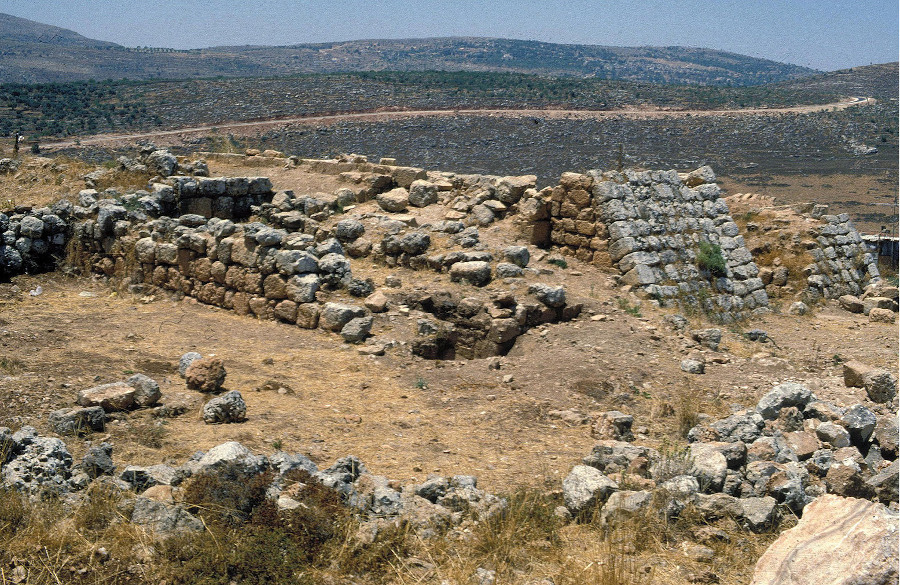
Area of Shiloh—where God first made a dwelling for his Name (Jer 7:12).
Z. Radovan/www.BibleLandPictures.com
Return to the main text.
7:13 again and again. The Hebrew idiom underlying this phrase is found frequently in Jeremiah (v. 25; 11:7; 25:3–4; 26:5; 29:19; 32:33; 35:14–15; 44:4) but appears nowhere else in the OT.
7:15 thrust you from my presence. Into exile (Dt 29:28). just as I did all your fellow Israelites. God sent Israel, the northern kingdom, into captivity in 721 bc (2Ki 17:20). Ephraim. Another name for Israel (see, e.g., 31:9)—and, ironically, the tribal territory in which Shiloh was located.
7:16 Perhaps the events of ch. 26 belong chronologically between vv. 15 and 16 (see Introduction: Outline). do not pray for this people. As a true prophet would (27:18; Ex 32:31–32; 1Sa 12:23). See 11:14; 14:11. There is virtually no hope for them (cf. Eze 14:14,20). On various occasions, however, Jeremiah prayed for his people (see, e.g., 18:20). this people. See note on Ex 17:4.
7:18 children . . . fathers . . . women. Entire families participate in idolatrous worship. cakes. See 44:19. Queen of Heaven. A Babylonian title for Ishtar, an important goddess in the Babylonian pantheon (44:17–19,25). drink offerings to other gods. And sometimes to the Queen of Heaven herself (44:19,25). arouse my anger. See Dt 31:29.
7:19 their own shame. See 3:25.
7:20 All nature suffers when God judges sinners (5:17; Ro 8:20–22). burn and not be quenched. See 4:4; 21:12; see also Isa 1:31; Am 5:6.
7:21 Because of your sinful deeds your sacrifices are worthless, so you might as well eat them yourselves.
7:22–23 Sacrifices are valid only when accompanied by sincere repentance and joyful obedience (see 6:20; Isa 1:11–15 and notes).
7:23 your God . . . my people. The most basic summary of the relationship between God and Israel implied in the covenant at Sinai (see 31:33; Ex 6:7; Lev 26:12; Zec 8:8 and notes; Dt 26:17–18). Walk in obedience to all I command you. See 6:16 and note.
7:24 followed . . . evil hearts. See note on 3:17; see also Ge 6:5 and note.
7:25 again and again. See note on v. 13. my servants the prophets. See 25:4; 26:5; 29:19; 35:15; 44:4; see also Zec 1:6 and note. God had promised that Moses would be the first in a long line of prophets who would speak in the Lord’s name and serve him faithfully (see Dt 18:15–22 and notes), a promise fulfilled in Christ (see Ac 3:22,26 and note).
7:26 stiff-necked. See 17:23; 19:15; Ex 32:9 and note.
7:28 not . . . responded to correction. See 2:30; 5:3. Truth . . . has vanished from their lips. No one seeks the truth (see 5:1 and note).
7:29 Addressed to Jerusalem. Cut off your hair. A sign of mourning (Job 1:20; Mic 1:16). lament on the barren heights. See 3:21; see also note on 3:2.
7:30 set up their . . . idols in the house. Manasseh had put a carved Asherah pole (see NIV text note on 2Ki 13:6) in the temple (2Ki 21:7). Jeremiah’s contemporary, the good King Josiah, removed the pole and other accessories to idol worship (2Ki 23:4–7). But less than 20 years after Josiah’s death, Ezekiel reported that there were numerous idols in the temple courts (Eze 8:3, 5–6,10,12). defiled it. See note on 2:7.
7:31 high places. Pagan shrines, usually (but not here) located on natural heights (1Sa 9:13–14; 10:5; 1Ki 11:7). Topheth. See v. 32; 19:6,11–14; see also note on Isa 30:33. The word is of Aramaic origin and means “fireplace,” though in cultures outside Israel it was used as a common noun meaning “place of child sacrifice.” Its vowel pattern was perhaps intentionally conformed to that of Hebrew bosheth, “shameful thing” (see note on Jdg 6:32), often used in connection with idol worship (see notes on 2:26; 3:25). The OT Topheth had a fire pit (Isa 30:33), into which the hapless children were apparently thrown. Valley of Ben Hinnom. See v. 32; 19:2,6; 32:35; see also note on Jos 15:5. It was used as a place for sacrificing children to pagan gods and in later times as a trash dump. The abbreviated Hebrew name ge’ hinnom (“Valley of Hinnom”; see Ne 11:30 and note) became “Gehenna” (Greek geenna), commonly translated in the NT as “hell,” the place of eternal, fiery punishment (see Mt 5:22 and note; 18:9; Mk 9:47–48). burn their sons and daughters in the fire. To the Ammonite god, Molek. This was a horrible ritual, prohibited in the law of Moses (see Lev 18:21 and note; Dt 18:10) but practiced by Ahaz (2Ki 16:2–3) and Manasseh (2Ki 21:1,6). Josiah tried to end it (2Ki 23:10). nor did it enter my mind. Stresses how terribly evil such an act is to God (19:5; 32:35).
7:32 So beware . . . Valley of Slaughter. Repeated almost verbatim in 19:6. Their place of sacrifice would become their cemetery when the people of Judah were slaughtered by the Babylonian invaders.
7:33 The punishment announced here is one of the curses for covenant disobedience (Dt 28:26). food for the birds . . . wild animals. See 16:4; 19:7; see also 34:20, where the same judgment is the result of violating God’s covenant (34:18–19). To remain unburied was an unspeakable abomination in ancient times (cf. 22:19 and note).
7:34 See 16:9; 25:10; contrast 33:10–11. land will become desolate. Another covenant curse (Lev 26:31,33).
8:1 bones . . . removed from their graves. A gross indignity and sacrilege (see 2Ki 23:16, 18; Am 2:1 and note). kings . . . officials . . . priests . . . prophets. See 2:26; see also note on 1:18.
8:2 exposed to the sun . . . moon . . . stars. To hasten their disintegration, and perhaps also to demonstrate that the heavenly bodies, which had been worshiped by some of Judah’s kings (2Ki 21:3, 5; 23:11), among others, were powerless to help. loved and served and . . . followed and consulted and worshiped. Acts of homage and adoration that should have been given to God alone. They. The bones. not be gathered up or buried. Contrast 2Sa 21:13–14. dung. See 9:22; 16:4; 25:33.
8:3 survivors. See note on 6:9.
8:4—9:26 In contrast to 7:1—8:3, this section is almost completely in poetic form. Jeremiah resumes his extended commentary on the inevitability of divine judgment against sinners.
8:4 Say to them. Connects this section with the previous (7:28). turns away . . . return. The Hebrew for these two verbs is identical, forming a play on words.
8:5 The general truths stated in v. 4 are routinely and perversely violated by the people of Jerusalem. turned away . . . turn away . . . return. Continuing the wordplay of v. 4.
8:6 I. The Lord. pursues. The Hebrew for this word continues the wordplay of vv. 4–5. their own course. The essence of sin (see Isa 53:6 and note, 56:11; Ro 3:12).
8:7 See Isa 1:3. Although migratory birds obey their God-given instincts, God’s rebellious people refuse to obey his laws. swift. Of similar build and habit as the swallow but not related to it (see 38:14, where it is also linked with the thrush). do not know . . . requirements of the LORD. See note on 5:4.
8:8–9 law of the LORD . . . word of the LORD. Misinterpreting and manipulating the first (the written law of Moses) leads to rejection of the second (God’s truth as found in the law and proclaimed by his servants the prophets).
8:8 lying pen. Symbolizes mistreatment of the written law. scribes. The earliest mention of them as a recognizable group. They were apparently organized on the basis of families (see 1Ch 2:55; 2Ch 34:13; see also note on Ezr 7:6). handled it falsely. Contrast 2Ti 2:15.
8:9 rejected . . . wisdom. Contrast Dt 4:5–6.
8:10–12 See 6:12–15 and notes.
8:11 my people. Or “the daughter of my people” (also in v. 21; see Isa 22:4 and note).
8:13—9:24 This section is read aloud in synagogues every year on the ninth of Av (see chart), the day the temple in Jerusalem was destroyed by the Babylonians in 586 bc and again by the Romans in ad 70.
8:13 grapes . . . figs. Symbolic of individual people also in Mic 7:1; see ch. 24. vine. Israel (see 2:21 and note). leaves will wither. Contrast 17:8; Ps 1:3.
8:14–16 On behalf of the people the prophet speaks, envisioning the Babylonian invasion.
8:14 Gather together! See 4:5. flee to the fortified cities. See note on 4:5. poisoned water. The phrase is unique to the prophet Jeremiah (9:15; 23:15; cf. 25:15).
8:15 Repeated almost verbatim in 14:19. peace. Under the circumstances, a false hope (see notes on 4:10; 6:14). healing. See note on 6:7.
8:16 the enemy’s horses. See note on 4:13. Dan. Close to the northern border of Israel. It would be the first to feel the effects of the Babylonian invasion.
8:17 vipers that cannot be charmed. Such are the wicked always (Ps 58:4–5).
8:18 The prophet speaks. my heart is faint. See La 1:22; 5:17.
8:19 The prophet speaks in the first part of the verse, the Lord in the last part. my people from a land far away. Judah in Babylonian exile (Ps 137:1–4) as Jeremiah envisions the future. Is the LORD not in Zion? Cf. Mic 3:11. The people are perplexed at their fate, still wondering how God could have permitted the destruction of his land and temple (see note on 7:4). King. God (see Isa 33:22 and note). aroused my anger. See 7:18; Dt 31:29. worthless . . . idols. See note on 2:5.
8:20 The people speak from the hopelessness of their exile. we are not saved. We have been captured by the enemy.
8:21 Jeremiah identifies himself with his exiled people. grips me. See 6:24.
8:22 balm in Gilead. See 46:11; cf. 51:8. The territory of Gilead was an important source of spices and medicinal herbs (see Ge 37:25 and note). no healing for the wound. Contrast 30:17.
9:1–2 The prophet’s frustration is highlighted as he speaks of his people with tender sympathy in v. 1 and with indignant disgust in v. 2.
9:1 Jeremiah is often called the “weeping prophet”—a well-deserved title (see v. 10; the book of Lamentations; cf. 2Sa 18:33; Lk 19:41; Ro 9:2–4; 10:1).
9:2 The prophet wants to get as far away as possible from the unfaithful in Judah (cf. Ps 55:6–8). adulterers . . . unfaithful people. See v. 14; see also Ex 34:15 and note. crowd. The Hebrew for this word is always used elsewhere in the OT in the sense of a solemn religious assembly (see, e.g., Dt 16:8), sometimes perverted by the worshipers and therefore falling under divine judgment (Isa 1:13; Am 5:21).
9:3–9 The Lord speaks.
9:3 tongue like a bow. See vv. 5,8; see also Ps 12:2; 64:3–4; cf. Jas 3:5–12. do not acknowledge me. See v. 6; Jdg 2:10; 1Sa 2:12; Job 18:21; Hos 4:1 and note; Ro 1:28; contrast Hos 6:3.
9:4 deceiver. See NIV text note; Ge 25:26 and note; NIV text note on Ge 27:36; Hos 12:2–3 and NIV text note on 12:2.
9:6 refuse to acknowledge me. They went from bad to worse (v. 3 says simply “do not acknowledge me”).
9:7 refine and test. See 6:27–30 and notes. The Lord will test his people “in the furnace of affliction” (Isa 48:10; see note there).
9:8 tongue . . . speaks deceitfully. See v. 3 and note. With their mouths . . . but in their hearts. See Ps 55:21. cordially. The Hebrew for this word is translated “peace” in 6:14 (see note there).
9:10 The prophet speaks. See 4:23–26 and notes. weep and wail. See v. 18; see also note on v. 1. wilderness grasslands. Good for poor grazing at best (see 1Sa 17:28; cf. Ex 3:1). desolate. Or “burned” (as in 2:15); here parched by the blazing sun. untraveled. See v. 12; Eze 33:28.
9:11 The Lord speaks. heap of ruins. Fulfilled in the destruction of Jerusalem and the Babylonian exile in 586 bc. haunt of jackals. See 10:22; 49:33; 51:37; Ps 44:19; Isa 13:21–22; La 5:18; Eze 13:4; Mal 1:3; contrast Isa 35:7. no one can live there. See 2:15; 4:7 and notes.
9:12 The prophet asks a series of questions. Who is wise . . . ? See Hos 14:9.
9:13 The Lord answers the prophet and then continues to speak through v. 16. law, which I set before them. In the days of Moses (Dt 4:8).
9:14 stubbornness. See note on 3:17. Baals. See 2:23 and note.
9:15 eat bitter food and drink poisoned water. Repeated in 23:15; see note on 8:14. Centuries earlier, Moses had warned the Israelites concerning just such a fate (Dt 29:18).
9:16 I will scatter them. See 13:24; 18:17; 30:11; 46:28. This warning was given in Dt 28:64 as one of the curses for persistent covenant unfaithfulness. pursue them with the sword. See 42:16. made an end of them. But not to the last person (see note on 4:27; see especially 44:27–28). There is always a remnant.
9:17 wailing women. Professionals, paid to mourn at funerals and other sorrowful occasions (2Ch 35:25; Ecc 12:5; Am 5:16).
9:18 wail. See v. 10. eyes overflow with tears. See v. 1.
9:19 How ruined we are! See 4:13,20; cf. 48:1.
9:20–21 The prophet speaks.
9:20 The wailing women will have to teach their daughters how to lament, so great will be the need for their services.
9:21 Death. Personified here (as in Hab 2:5). Canaanite mythology included a deity named Mot (a word related to the Hebrew word for “death”), the god of infertility and the netherworld. climbed in through our windows. Said of an army of “locusts” in Joel 2:9 (see note there). children . . . young men. See 6:11.
9:22 Dead bodies. See 7:33 and note. like dung. See note on 8:2. reaper. The concept of death as the “grim reaper” comes largely from this verse.
9:23 Let not . . . the rich boast of their riches. An almost exact parallel occurs in the Aramaic Words of Ahiqar, written about a century after Jeremiah’s time: “Let not the rich say, ‘In my riches I am glorious.’ “
9:24 1Co 1:31 summarizes: “Let the one who boasts boast in the Lord.” this . . . these. Ultimately, only God and our knowledge of and love for him are worthwhile. have the understanding to know me. See 3:15; see also note on 4:22. I am the LORD. Ex 6:2–8, a key passage on the doctrine of redemption, begins and ends with this statement of divine self-disclosure. kindness. The Hebrew for this word is translated “devotion” in 2:2 (see note there). in these I delight. See Ps 11:7; 33:5; 99:4; 103:6; Mic 6:8; 7:18.
9:25–26 See Ro 2:25–29; see also note on Ge 17:10.
9:26 who live . . . in distant places. Arab tribes (25:23; 49:32), later to be attacked by the Babylonians under Nebuchadnezzar (49:28–33). With the NIV text note here, contrast Lev 19:27. uncircumcised in heart. See 4:4 and note; Dt 10:16.
10:1–25 Jeremiah concludes his series of temple messages with a poetic section that focuses primarily on the vast difference between idols and the Lord (vv. 2–16). Idols and their worshipers are condemned in vv. 2–5,8–9,11,14–15, while the one true God is praised in the alternate passages (vv. 6–7,10,12–13,16). See Isa 40:18–20 and note; 41:7; 44:9–20; 46:5–7.
10:2 Do not . . . be terrified. See 1:17. ways. Refers to the religious practices of the nations. The early Christians often called their distinctive beliefs and lifestyle the “Way” (Ac 9:2; 19:9,23; 22:4; 24:14,22). signs in the heavens. The heavenly bodies were created by the Lord for purposes other than idolatrous worship (see Ge 1:14–18 and notes). nations are terrified. Not only by the heavenly bodies themselves but also by unusual phenomena associated with them (such as comets, meteors and eclipses).
10:3 worthless. See note on 2:5. cut a tree. See Isa 44:14–15. craftsman. The Hebrew for this word is often used of idol-makers who work usually—but not always (Isa 40:19)—with wood (see Isa 41:7). chisel. Cf. Isa 44:13.
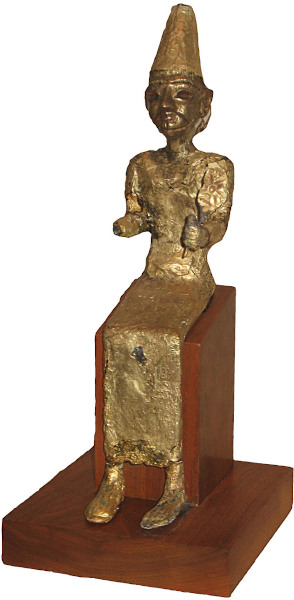
Statue of the Canaanite god El. God says in Jer 10:3–5 that all the time and effort spent on creating idols that “cannot speak” or “walk” are “worthless.”
© 2008 by Zondervan
Return to the main text.
10:4 silver and gold. Wooden idols were plated with precious metals to beautify them (Isa 30:22; 40:19). fasten it . . . so it will not totter. See Isa 40:20; 41:7; cf. 46:7; contrast 1Sa 5:2–4.
10:5 The impotence of idols is described in classic form in Ps 115:4–7; 135:15–18; Isa 44:9–20. scarecrow. Verse 70 in the Apocryphal Letter of Jeremiah uses the same imagery. cucumber field. See Isa 1:8. must be carried. Usually on the backs of animals. See Isa 46:1. harm nor . . . good. Idols can do nothing at all (see Isa 41:22–24). See photo.
10:6 No one. Among the gods (Ps 86:8). your name is mighty in power. See 16:21.
10:7 fear you, King of the nations. See Ps 47:8–9; 96:10; Rev 15:3–4 and notes. Unlike the gods of the surrounding nations, limited to their own territories, the Lord is King over all (see Ge 28:15; 2Ki 5:17 and notes). This. Reverence (“fear”). Among all the wise leaders . . . no one like you. See Isa 19:12; 29:14; 1Co 1:20.
10:8 senseless and foolish. See vv. 14,21; 5:21; see also NIV text note on Pr 1:7. taught by . . . idols. Instead of by the Lord (see Dt 11:2; Job 5:17; Pr 3:11, where the Hebrew word for “taught by” is translated “discipline”).
10:9 silver . . . from Tarshish. See Eze 27:12; see also note on Isa 23:6. Uphaz. Mentioned only here. craftsman and goldsmith. See Isa 40:19 and note. dressed in blue and purple. To make it look regal. all. The idols.
10:10 Everything that idols are not, the Lord is. true. See 1Th 1:9. living God. See 23:36; Dt 5:26; 2Ki 19:4 and note. eternal. See Ex 15:18; Ps 10:16; 29:10. When . . . wrath. See Ps 97:5; Na 1:5.
10:11 See NIV text note. The other major Aramaic passages in the OT are Ezr 4:8—6:18; 7:12–26; Da 2:4—7:28. them. Pagan idolaters, who would have been more likely to understand Aramaic (the language of diplomacy during this period) than Hebrew.
10:12–16 Repeated almost verbatim in 51:15–19.
10:12 But God. In contrast to the false gods of v. 11. stretched out the heavens. Like a tent or canopy (see Ps 104:2; Isa 40:22 and note).
10:13 he makes clouds . . . his storehouses. Repeated in Ps 135:7, where the one true God is contrasted to false gods (Ps 135:5,15–17); cf. Job 38:22.
10:14 senseless. See vv. 8,21; see also note on 4:22. images. Cast in metal; the Hebrew for this word is translated “metal god” in Isa 48:5 and “metal images” in Da 11:8. no breath. See Ps 135:17.
10:15 worthless. See note on v. 3.
10:16 Portion of Jacob. A title for God, used again only in 51:19 (see Ps 73:26 and note; 119:57; 142:5; La 3:24). people of his inheritance. See Isa 63:17. the LORD Almighty is his name. See 2:19 and note; Isa 54:5; Am 4:13.
10:17–22 Destruction and exile are imminent.
10:18 hurl out. As from a sling.
10:19–20 On behalf of his people, the prophet bemoans their fate and his own (4:19–21).
10:20 My children. The people of Judah and Jerusalem (Jeremiah never married or had children; see 16:2). shelter. See note on 4:20.
10:21 shepherds . . . flock. Rulers and people (see note on 2:8). senseless. See vv. 8,14; see also note on 4:22. do not inquire of the LORD. Instead, they consult the heavenly bodies (8:2). scattered. See note on 9:16.
10:22 great commotion. The sound of the invaders (6:23; 8:16). land of the north. Babylonia (see 1:15 and note; 4:6; 6:22; see also note on Isa 41:25). haunt of jackals. See 9:11 and note.
10:23–25 On the people’s behalf, the prophet prays for divine justice.
10:23 Only the Lord can direct people’s steps (see Ps 37:23; Pr 16:9 and note).
10:25 Repeated almost verbatim in Ps 79:6–7, where the context (Ps 79:1–5) shows that the prayer is not vengeful but is an appeal for God’s justice (see note on Ps 5:10). The verse is recited annually by Jews during their Passover service.
11:1—13:27 Because of Judah’s violations of its covenant obligations, the people will be exiled to Babylonia. The section is perhaps to be dated to the reign of Josiah (but see note on 13:18).
11:1–17 God’s people have broken his covenant with them.
11:2 Listen. See note on 2:4. terms. Covenant stipulations (see vv. 3–4,6; 34:18; see also note on Ex 20:1). this covenant. See vv. 3,6,8,10; Dt 29:9. Reference is to the covenant established by God with Israel through Moses at Mount Sinai (v. 4; Ex 19–24). tell them. Periodic public reading of covenants was a common and necessary practice (Dt 31:10–13; Jos 8:34–35).
11:3 ‘Cursed is.’ The same Hebrew for this clause appears at the beginning of every covenant curse in Dt 27:15–26, and the people respond to each of the curses with their “Amen.” Blessings resulted from obedience to the covenant (Dt 28:1–14); curses resulted from disobedience (see Dt 28:15–68; see also Dt 11:26–28; 29:20–21).
11:4 out of Egypt . . . the iron-smelting furnace. See note on Dt 4:20. Obey me. See v. 7; 7:23; Ex 19:5. my people . . . your God. See note on 7:23.
11:5 fulfill the oath I swore. See Ge 15:17–18 and notes; Dt 7:8. land flowing with milk and honey. See 32:22; see also note on Ex 3:8. Amen. See note on v. 3.
11:7 again and again. See note on 7:13.
11:8 See 7:24. stubbornness of their evil hearts. See note on 3:17. So I brought on them. See 2Ki 17:18–23. curses of the covenant. See note on v. 3.
11:9 conspiracy. Against the intended reforms of Josiah (see Introduction: Background; see also note on 1:2).
11:10 refused. Their sin was deliberate (see note on 9:6). the covenant I made. Emphasizing its origin in God himself.
11:11 I will bring on them. Judah will be judged, just as Israel had been judged earlier (see v. 10; see also 2Ki 17:18–23).
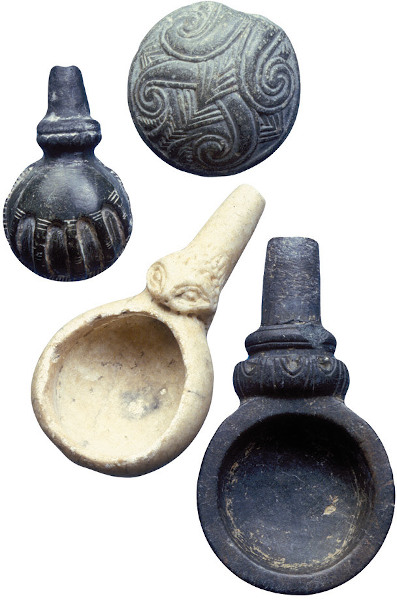
Censers: carved stone receptacles used for placing incense on the altar. God is angry with his people because they burn incense to other gods (Jer 11:11–13).
Z. Radovan/www.BibleLandPictures.com
Return to the main text.
11:12 burn incense. See vv. 13,17; see also note on 1:16.
11:13 as many gods as . . . towns. See note on 2:28. altars . . . as many as the streets. See 2Ch 28:24. incense to that shameful god Baal. See 3:24; see also notes on 2:26; Jdg 6:32. See photo.
11:14 Do not pray for this people. See note on 7:16; cf. 1Jn 5:16.
11:15 See 7:10–11,21–24. my beloved. Judah (see 12:7; cf. Dt 33:12, where Benjamin is called the “beloved of the LORD”).
11:16 called you . . . olive tree. See Ps 52:8; 128:3. storm. The Hebrew for this word, which here evokes the sound of an army, appears elsewhere only in Eze 1:24 (translated “tumult”), where it also refers to the noise made by an army (Isa 13:4). branches will be broken. See Eze 31:12.
11:17 Fulfilled when Judah was destroyed in 586 bc (44:2–3). aroused my anger. See 8:19; Dt 31:29.
11:18–23 The first of Jeremiah’s six “confessions” (see Introduction: Author and Date).
11:18 their . . . they. Jeremiah’s personal enemies, the “people of Anathoth” (vv. 21,23), his hometown.
11:19 lamb led to the slaughter. See 51:40; see also Isa 53:7 and note. destroy the tree and its fruit. Contrast 12:2; cf. Jn 15:18–25. cut him off from the land of the living. See Isa 53:8; contrast Ps 27:13. name. Since Jeremiah had no children (16:2), his name would die with him. be remembered no more. As though he were evil (Job 24:20; Eze 21:32).
11:20 Repeated almost verbatim in 20:12; see also 17:10. you . . . who judge righteously. See note on Ge 18:25.
11:21 people of Anathoth who are threatening to kill you. See 12:6. “A man’s enemies are the members of his own household” (Mic 7:6, quoted by Jesus in Mt 10:36).
11:22 sword . . . famine. See note on 5:12.
11:23 remnant. See 6:9; Isa 10:20–22 and notes. them. The conspirators in Anathoth, not its entire population, since 128 men of Anathoth returned to their hometown after the exile (Ezr 2:23).
12:1–4 The second of Jeremiah’s “confessions” (see Introduction: Author and Date), continuing and closely related to the first (11:18–23). Jeremiah speaks in vv. 1–4, and God responds in vv. 5–6.
12:1 You are . . . righteous. See note on Ge 18:25; see also 11:20; Ps 51:4; Ro 3:4. Because God is righteous, he is a dependable arbiter and judge. Yet. He is nevertheless ready to listen to our questions and complaints. Why does the way of the wicked prosper? The question is not unique to Jeremiah (see, e.g., Job 21:7–15; Ps 37; 73; Mal 3:15). The Lord replies that ultimately the wicked in Judah will perish (vv. 7–13) and that the wicked invaders who destroy them will themselves be destroyed (vv. 14–17).
12:2 You have planted them. But a sovereign God can always reconsider his intentions if conditions warrant a change (18:9–10). bear fruit. The wicked flourish, while Jeremiah’s fellow citizens plot to destroy his own “fruit” (11:19). on their lips . . . far from their hearts. Quoted in part by Jesus in Mt 15:8–9.
12:3 test my thoughts. See 11:20. like sheep to be butchered. Jeremiah asks that his wicked nation will receive the fate mentioned for himself in 11:19. His request arises not so much out of a desire for revenge as for the vindication of God’s righteousness—for God to right the wrong (see note on 10:25). day of slaughter. An expression found elsewhere only in Jas 5:5 (see note there).
12:4 parched . . . withered. See 23:10; see also 3:3; 14:1 and note. Apparently there was a series of droughts in Judah during Jeremiah’s ministry. He will not see. The prophet’s enemies do not believe that his predictions will be fulfilled. Or they believe that if they are, Jeremiah will not live to see their fulfillment.
12:5 The Lord warns Jeremiah that in the future his troubles will increase (see, e.g., 38:4–6). stumble. Or “trust” (see NIV text note), but “stumble” fits better the context of running. thickets. Providing cover for lions (49:19; 50:44; Zec 11:3). If the Hebrew here refers to the “flooding” (see NIV text note) of the Jordan River, see Jos 3:15.
12:6 family. Apparently, members of Jeremiah’s own family were included in the “people of Anathoth” (11:21,23) who wanted to kill him.
12:7–17 The Lord will judge Judah (vv. 7–13) as well as the wicked neighboring nations (vv. 14–17).
12:7 house. Judah (see, e.g., 11:17). inheritance. God’s land and people (see vv. 8–9,14–15; see also Ex 15:17 and note; Dt 4:20; Isa 19:25; 47:6). the one I love. See note on 11:15.
12:8 I hate her. I will withdraw my love from her by giving her “into the hands of her enemies” (v. 7; see Mal 1:3 and note).
12:9 other birds of prey . . . wild beasts. A figurative reference to Judah’s enemies (see Isa 56:9 and note).
12:10 shepherds. Rulers (see note on 2:8). my vineyard. Judah (see 2:21 and note). pleasant field. See 3:19 and note.
12:11 parched. See v. 4 and note. A total of seven s-sounds and seven m-sounds in the Hebrew of this brief verse punctuates its theme and provides a striking example of Jeremiah’s literary gifts (see Introduction: Literary Features).
12:12 barren heights. Places of idolatrous worship (3:2; Nu 23:3). destroyers. The Babylonians (see note on 4:7). sword of the LORD. Symbolizing God’s instruments of judgment (see 25:29; 47:6 and note on Ps 7:12–13). from one end . . . to the other. See 25:33. no one will be safe. See 6:14 and note.
12:14–16 A glorious promise to repentant nations—Israel’s neighbors.
12:14 wicked neighbors. See, e.g., 2Ki 24:2. seize. Attack and plunder (see Zec 2:8, where the same Hebrew word is translated as “touch”). uproot. Carry off into exile (see, e.g., 1Ki 14:15).
12:15 The exiles from Judah, and those from the neighboring nations, will eventually be brought back to their respective lands (v. 16; 32:37,44; 33:26; 48:47; 49:6).
12:16 To be fulfilled in the Messianic age (see Isa 56:6–7 and note on 56:7). ways. See note on 10:2. Baal. See note on Jdg 2:13. be established. The Hebrew for this phrase is translated “prosper” in Mal 3:15.
13:1–27 A series of five warnings, the first two (vv. 1–11,12–14) written in prose and the last three (vv. 15–17,18–19,20–27) in poetry.
13:1–11 The story of the ruined, useless belt is the first major example of the Lord’s commanding Jeremiah to perform symbolic acts to illustrate his message (see Introduction: Literary Features).
13:1–2,4–7 Go and buy . . . So I bought . . . Take the belt . . . and hide it . . . So I went and hid it . . . Go now to Perath and get the belt . . . So I went to Perath and dug up the belt. Like his spiritual ancestor Abraham (see note on Ge 12:4), Jeremiah was characterized by prompt obedience.
13:1 linen. The material of which the priests’ garments were made (Eze 44:17–18), symbolic of Israel’s holiness as a “kingdom of priests” (see Ex 19:6 and note). The linen belt is a symbol of the formerly intimate relationship between God and Judah (v. 11). do not let it touch water. Do not wash it—symbolic of Judah’s sinful pride (v. 9).
13:3 Then. Not immediately, but some time later.
13:4 Perath. Perhaps the same as Parah (Jos 18:23), near the modern Wadi Farah, three miles northeast of Anathoth. Since in other contexts the Hebrew for Perath refers to the river Euphrates (see NIV text note), it serves as an appropriate symbol of the corrupting Assyrian and Babylonian influence on Judah that began during the reign of Ahaz (2Ki 16). crevice in the rocks. See note on 16:16.
13:6 Many days later. Perhaps a reference to the lengthy Babylonian exile.
13:7 dug up. The belt had either been buried by the prophet or silted over by the water of the wadi. it was ruined. As foreseen in Lev 26:39, God’s people in exile would waste away because of their sins and the sins of their ancestors.
13:9 pride . . . great pride. Contrast 9:23–24. Judah’s vaunted pride would be a cause of their downfall and exile (vv. 15,17), as foreshadowed in Lev 26:19.
13:10 refuse to listen. See note on 9:6. stubbornness of their hearts. See note on 3:17. completely useless. See 24:8.
13:11 But they have not listened. And therefore the promise of Dt 26:19 can no longer be fulfilled in them.
13:12–14 The Lord uses the imagery of filled wineskins to point toward the eventual destruction of Judah’s leaders and people.
13:13 drunkenness. In a literal sense (see, e.g., Isa 28:7), but also symbolizing the effects of the wine of God’s wrath (25:15–29; Ps 60:3; Isa 51:17–23; Eze 23:32–34). kings . . . priests . . . prophets . . . all those living in Jerusalem. See 26:16; see also note on 1:18.
13:14 smash them one against the other. The various factions in Judah produced only confusion and chaos in the face of determined outside enemies. no pity or mercy or compassion. See 21:7; see also Eze 5:11.
13:15–17 Sinful pride carries the seeds of its own destruction, says the prophet.
13:15 Hear. See note on 2:4. do not be arrogant. See v. 17; see also note on v. 9.
13:16 Give glory to . . . God. Confess your sins (cf. Jos 7:19; Jn 9:24). You hope for light, but. Cf. the description of the day of the Lord in Am 5:18–20; 8:9.
13:17 I will weep. See note on 9:1. pride. See v. 15; see also note on v. 9. flock. People (see v. 20; Zec 10:3; see also note on 10:21). taken captive. Into exile (v. 19).
13:18–19 The prophet speaks: Exile is imminent.
13:18 king and . . . queen mother. Probably Jehoiachin and Nehushta (2Ki 24:8). If so, the date is 597 bc, about 12 years after Josiah’s death (see note on 11:1—13:27). your . . . crowns will fall. See 22:24–26; 29:2; 2Ki 24:15; cf. Eze 21:25–27 and notes.
13:19 Negev. The dry southland (see note on Ge 12:9). shut up. Blocked by debris (Isa 24:10). All Judah. The nation as a whole. carried completely away. Cf. Am 1:6,9 (“whole communities”).
13:20–27 First the prophet speaks (vv. 20–23), then the Lord (vv. 24–27). Judah’s willful rebellion has made exile inevitable.
13:20 the north. Babylonia (see 4:6; see also note on Isa 41:25). you . . . you. Jerusalem, personified as a woman (see vv. 21–22,26–27), is being addressed. flock . . . sheep. See note on v. 17.
13:21 special allies. Perhaps Egypt and Babylonia, who alternated in dominating Judah (see Introduction: Background). like . . . a woman in labor. See note on 4:31.
13:22 skirts . . . torn off. Disgraced publicly, like a common prostitute (vv. 26–27; Isa 47:2–3; Hos 2:3,10).
13:23 Can . . . spots? A rhetorical question, expecting a negative answer (17:9).
13:24 like chaff driven. The fate of the wicked (see, e.g., Ps 1:4). desert wind. See note on 4:11.
13:25 forgotten me. See 2:32 and note.
13:27 adulteries and lustful neighings. See note on 5:8. shameless prostitution. See Eze 16:26; see also Ex 34:15 and note. How long . . . ? There is yet hope, however slender, to postpone the divine wrath (cf., e.g., 12:14–16).
14:1—15:21 Messages delivered by Jeremiah during an especially severe drought, the date of which is unknown.
14:1—15:9 After an initial vivid description of the drought (14:2–6), Jeremiah alternately prays (14:7–9, 13,19–22) and God responds (14:10–12, 14–18; 15:1–9).
14:1 drought. See 17:8. Unlike that in 3:3; 12:4, the suffering is increased because an enemy has invaded the land (v. 18). Drought was one of the curses threatened (23:10) for disobedience to the covenant (Lev 26:19–20; Dt 28:22–24).
14:3 nobles. A drought is no respecter of class distinctions. cover their heads. In mourning (see v. 4; 2Sa 15:30; cf. 2Sa 19:4).
14:4 because there is no rain. See Dt 28:23–24; 1Ki 17:7. Unlike Egypt, where the mighty Nile waters the ground, the Holy Land depends on adequate rainfall.
14:6 eyes fail. See Ps 6:7 and note.
14:7–9 The prophet prays on behalf of the people (v. 11).
14:7 for the sake of your name. See v. 21; Jos 7:9; Isa 48:9–11. rebelled. See 2:19; 3:22; 5:6 (translated “backsliding” in these verses). The word implies apostasy.
14:8 hope of Israel. See v. 22; 17:13; 50:7; Ac 28:20.
14:9 You are among us. Probably referring to the ark of the covenant, representing the Lord’s throne among his people. we bear your name. We belong to you, our ever-present Savior (see note on 7:10).
14:10–12 The Lord responds.
14:10–11 this people. God does not acknowledge them as his own (see Isa 6:9–10; 8:6,11–12; see also note on Ex 17:4).
14:10 wander. After false gods (2:23,31). the LORD does not . . . their sins. The Hebrew for these three lines is quoted verbatim from Hos 8:13 (cf. Hos 9:9).
14:11 Do not pray. See note on 7:16; cf. 1Sa 7:8; 12:19.
14:12 not accept them. See v. 10. Sacrifice is to no avail when unaccompanied by repentance (see note on 6:20). sword, famine and plague. Curses for violating God’s covenant (Lev 26:25–26); the first occurrence of this triad, which occurs 15 times in Jeremiah (see Introduction: Literary Features; see also Eze 5:16–17 and note).
14:13 Jeremiah reminds the Lord of what the false prophets are saying. not . . . sword or . . . famine. See 5:12. lasting peace. Jeremiah’s elaboration of the false prophets’ “Peace, peace” (6:14; 8:11).
14:14–18 The Lord responds.
14:14 lies. See 5:12. in my name. See Dt 18:20,22. delusions of their own minds. See 23:26.
14:15 Those . . . prophets will perish. See 28:15–17; Dt 18:20.
14:16 no one to bury them. See note on 7:33. wives . . . sons . . . daughters. All would perish, because all had worshiped false gods (see note on 7:18).
14:17 my eyes overflow with tears. See 9:18; 13:17. Virgin Daughter, my people. See 8:11; Isa 22:4 and note on 2Ki 19:21.
14:18 land they know not. Babylonia.
14:19–22 The prophet prays on behalf of the people.
14:20 guilt of our ancestors. See 2:5–6; 7:25–26. we have . . . sinned. Repentance brings restoration (Dt 30:2–3).
14:21 For the sake of your name. See Eze 20:9 and note. your glorious throne. The Jerusalem temple (17:12; 2Ki 19:14–15; Ps 99:1–2). Remember your covenant . . . do not break it. Jeremiah pleads the ancient promise of God found in Lev 26:44–45.
14:22 See Hos 2:8,21–22. worthless idols. See note on 2:5. it is you. Only the Lord (not Baal) can send the showers to end the drought (v. 1). our hope is in you. See note on v. 8.
15:1–9 The Lord responds, concluding this section (see note on 14:1—15:9).
15:1 Moses and Samuel. Very special agents of God’s rule over Israel who were also famous for their intercessions for sinful Israel (Ex 32:11–14, 30–34; Nu 14:13–23; Dt 9:18–20, 25–29; 1Sa 7:5–9; 12:19–25; Ps 99:6–8). stand before me. The posture of God’s servants as they are about to pray to him (see Ge 18:22; 1Ch 17:16 and note; Mk 11:25). Send them away. The people are so wicked that God refuses to hear prayers offered on their behalf. They are beyond divine help (see notes on 7:16; 14:11–12).
15:2 See Eze 14:21; 33:27. death. Probably by plague; see 14:12 (and note), where “sword, famine and plague” are God’s three agents of destruction, paralleling the first three here (the Hebrew word for “starvation” here is the same as that for “famine” in 14:12).
15:3–4 Foreseen in Dt 28:25–26.
15:3 four kinds. Not the same four as in v. 2, but an elaboration of what happens to the unburied corpses of those killed by the sword. The seventh-century bc vassal treaties of Esarhaddon present similar curses: “May Ninurta, leader of the gods, fell you with his fierce arrow, fill the plain with your corpses, and give your flesh to the eagles and vultures to feed on . . . May dogs and pigs eat your flesh.” dogs. See 1Ki 21:23. wild animals. See Rev 6:8.
15:4 abhorrent. The Hebrew for this word is translated “a thing of horror” in the parallel in Dt 28:25. what Manasseh . . . did in Jerusalem. Manasseh, good King Josiah’s grandfather, was the most wicked king in Judah’s long history (2Ki 21:1–11,16). His sins were a primary cause of Judah’s eventual destruction (2Ki 21:12–15; 23:26–27; 24:3–4).
15:5–9 A poem concerning the forthcoming destruction of Jerusalem in 586 bc (La 1:1, 12,21; 2:13,20).
15:6 You keep on backsliding. Or “You go backward” (cf. 7:24; see note on 2:19).
15:7 winnow. See note on Ru 1:22. Winnowing as a figure of judgment is found also in 51:2; Pr 20:8, 26; Isa 41:16. city gates of the land. Or, more simply, “gates of your land” (as in Na 3:13), i.e., the approaches to the land. bereavement . . . on my people. The young men will fall in battle, and Judah and Jerusalem will be left childless (Eze 5:17). not changed. Reminiscent of the refrain in Am 4:6,8–11: “yet you have not returned to me,” where the same Hebrew verb is used (see note on 3:1).
15:8 widows more numerous than the sand of the sea. A tragic reversal of the covenant promise of innumerable offspring (see Ge 22:17 and note). At midday . . . suddenly. Military attacks at noon were unexpected (see note on 6:4). destroyer. Babylonia (see note on 4:7). anguish. See note on 4:19.
15:9 seven. The complete, ideal number of sons (see Ru 4:15 and note)—soon to be destroyed. sun will set while it is still day. See Am 8:9; cf. Mt 27:45 and note. survivors. Or “remnant” (see note on 6:9). Even they will be put to the sword (Mic 6:14).
15:10–21 The third of Jeremiah’s “confessions” (see Introduction: Author and Date), including in this case two responses by the Lord (vv. 11–14,19–21).
15:10 See 20:14–15 and notes; Job 3:3–10. have neither lent nor borrowed. Lending often involved the charging of interest, which was forbidden among Israelites (Dt 23:19) and could be a source of contention.
15:11–14 The Lord speaks, first to Jeremiah (v. 11), then to the people of Judah (vv. 12–14).
15:11 God encourages Jeremiah. I will make your enemies plead with you. Fulfilled, e.g., in 21:1–2; 37:3; 38:14–26; 42:1–3.
15:12 A rhetorical question assuming a negative answer. iron. Symbolic of great strength (28:13). from the north. From Babylonia (see note on Isa 41:25).
15:13–14 Repeated in large part in 17:3–4.
15:13 Fulfilled in 52:17–23. without charge. Cf. Isa 55:1. People and plunder alike would be free for the taking (see note on Isa 52:3).
15:14 for my anger will kindle a fire. Quoted verbatim from Dt 32:22, where the same Hebrew is translated “For a fire will be kindled by my wrath.”
15:15 you understand. The Lord is aware of what Jeremiah has suffered (v. 10). remember. Express concern for (see note on Ge 8:1).
15:16 your words . . . I ate them. I digested them, I assimilated them, I made them a part of me (Eze 2:8—3:3; Rev 10:9–10). came. Perhaps referring to the discovery of the Book of the Law in the temple during the reign of Josiah in 621 bc (see 2Ki 22:13; 23:2; see also note on 1:2). they were . . . my heart’s delight. See Ps 1:2. I bear your name. See 14:9; I belong to you (see note on 7:10).
15:17 sat alone. Jeremiah never married (16:2), and he attracted only a few friends (see Introduction: Author and Date). your hand. Divine constraint (see 2Ki 3:15; Isa 8:11 and note; Eze 1:3; 3:14,22; 37:1; 40:1). indignation. At the sins of Judah (6:11).
15:18 Two rhetorical questions used by Jeremiah to express his nagging doubts about himself, his mission and God’s faithfulness. pain unending . . . wound grievous and incurable. Jerusalem is similarly described in 30:12–15, together with God’s promise of healing in 30:17. deceptive brook. See Mic 1:14, where also “deceptive” probably refers to the kind of intermittent streams described in Job 6:15–20. Jeremiah here accuses God of being undependable, in contrast to the Lord’s own earlier description of himself as a “spring of living water” (see 2:13 and note).
15:19–21 The Lord commands Jeremiah to repent, then encourages him and renews his call.
15:19 repent . . . restore . . . turn . . . turn. The Hebrew root is the same for all four words (see notes on 3:1; Isa 1:25–26). spokesman. Or, more formally, “mouth” (see 1:9 and note; Ex 4:15–16; see also note on Ex 7:1–2).
15:20 See 1:8,18–19 and notes.
15:21 save you from . . . the wicked. See, e.g., 36:26; 38:6–13.
16:1—17:18 Messages of disaster and comfort, with the note of disaster predominating (16:1–13,16–18; 16:21—17:6; 17:9–13,18). The first half of the section is prose (16:1–18), the second half poetry (16:19—17:18).
16:2 Jeremiah’s ministry was such that he had to face life alone (see note on 15:17), without the comfort and support a family can provide. You must not. The Hebrew underlying this phrase is used for the most forceful of negative commands, as, e.g., in the Ten Commandments (Ex 20:3–4, 7,13–17). this place. Judah and Jerusalem, especially the latter (see, e.g., Zep 1:4).
16:4 not be mourned or buried. See v. 6; 7:33 and note; 8:2; 14:16; 25:33. dung. See 8:2; 9:22; 25:33. perish by sword and famine. See 14:15–16; see also note on 5:12. food for the birds and the wild animals. See note on 7:33.
16:5 do not go to mourn. See the similar command of God in Eze 24:16–17,22–23.
16:6 cut themselves . . . shave their head. Actions forbidden in the law (see Lev 19:28; 21:5 and note; Dt 14:1 and note), but sometimes practiced by Israelites as a sign of mourning (41:5; Eze 7:18; Mic 1:16).
16:7 Food was customarily offered to mourners (2Sa 3:35; 12:16–17; Eze 24:17,22; Hos 9:4).
16:8 do not enter a house where there is feasting. The present crisis is a time for neither feasting nor mourning (v. 5), but for preparing for the coming exile (v. 13).
16:9 See 7:34; 25:10; contrast 33:10–11.
16:10–13 The same question but a more elaborate answer than in 5:19 (9:12–16; 22:8–9; Dt 29:24–28; 1Ki 9:8–9).
16:10 Cf. the similar questions in Mal 1:6–7; 2:17; 3:7–8,13.
16:11 See 11:10, where committing sins like those mentioned here is called breaking the Lord’s covenant.
16:12 behaved more wickedly than your ancestors. See 1Ki 14:9. The coming judgment cannot be blamed on the sins of previous generations (see 31:29–30 and notes; Eze 18:2–4). following the stubbornness of your evil hearts. See note on 3:17; see also 7:24.
16:13 See Dt 28:36,64. I will throw you out. Into exile (7:15; 22:26; Dt 29:28). land neither you nor your ancestors have known. Babylonia (9:16).
16:14–15 Repeated almost verbatim in 23:7–8, the passage spans nearly 1,000 years of Israelite history: exodus (c. 1446 bc), exile (586), restoration (537). See Isa 43:16–21; 48:20–21; 51:9–11. As surely as the LORD lives. See note on Ge 42:15.
16:15 land of the north. Babylonia (see note on Isa 41:25).
16:16 fishermen . . . hunters. Symbolic of conquerors (see Eze 12:13; 29:4; Am 4:2 and note). mountain and hill. To which the people would flee in vain (see 4:29 and note). crevices of the rocks. The phrase occurs outside Jeremiah only in Isa 7:19. The Lord may be recalling here the episode of the ruined linen belt, hidden in a “crevice in the rocks” (13:4).
16:17 My eyes are on all their ways. See 32:19. they are not hidden from me. See 23:24; Heb 4:12–13 and notes.
16:18 repay them double. See 17:18; Isa 40:2 and note. defiled my land. Made it ceremonially unclean (see 2:7; 3:1–2; see also note on Lev 4:12). lifeless forms of their vile images. See Lev 26:30. Idols have no life in them (Ps 115:4–7; 135:15–17). my inheritance. God’s land (see 17:4; see also note on 2:7). detestable. Abominable in the Lord’s eyes (see 2:7; see also note on Lev 7:21).