17:9 Don’t tell anyone. See note on Mk 9:9; cf. Lk 9:36.
17:10 Traditional Jewish eschatology, based on Mal 4:5–6, held that Elijah must appear before the coming of the Messiah. The disciples reasoned that if Jesus really was the Messiah, as the transfiguration proved him to be, then Elijah should have appeared.
17:12 In the same way. As John the Baptist was not recognized and was killed (see 14:1–12), so Jesus would be rejected and killed (see vv. 22–23 and note).
17:15 seizures. See note on 4:24.
17:17 unbelieving. See v. 20 and note.
17:18 Not all seizures were the result of demon possession, but these were.
17:20 little faith. Not so much the quantity of their faith as its quality. Even though the Twelve have already been given authority to cast out demons (10:1), they could not do so here because of their inadequate faith. mustard seed. See 13:31–32 and notes. say to this mountain, ‘Move from here to there.’ A proverbial statement meaning to remove great difficulties (cf. Isa 54:10; Zec 4:7 and note; 1Co 13:2).
17:22–23 The second prediction of Christ’s death, the first being in 16:21 (see note there).
17:22 Galilee. See note on Mk 9:30. Son of Man. See note on Mk 8:31.
17:24 Capernaum. See note on 4:13. two-drachma temple tax. The annual temple tax required of every male 20 years of age and older (Ex 30:13; 2Ch 24:9; Ne 10:32). It was worth half a shekel (approximately two days’ wages) and was used for the upkeep of the temple.
17:25 What do you think . . . ? Jesus frequently asks this question in Matthew’s Gospel (18:12; 21:28; 22:17,42).
17:26 the children are exempt. The implication is that Peter and the rest of the disciples belonged to God’s royal household and so were not required to pay the tax (see 21:43).
 17:27 not cause offense. The Son of God, who controls the entire universe (see Heb 1:2–3 and note), is careful not to offend (cf. 11:28–30; 12:20) and expects his followers to avoid causing offense as well (18:6–9).
18:1 Who . . . is the greatest . . . ? A question about status that Jesus subverts by using the example of children, who had little social status in the first century (see vv. 2–4 and note on Lk 9:46).
18:3 like little children. Children in the ancient world were not accorded high status, so Jesus uses their example to teach that the kingdom is not about competing for positions of status (cf. 20:20–22).
18:4 greatest. See note on Lk 9:48.
18:6,10,14 little ones. This term refers to disciples, regardless of age, of lower status and so more vulnerable to harmful influence (see 10:42; see also Mk 9:42 and note; Lk 17:2).
18:6 large millstone. Or, more formally, “millstone of a donkey,” i.e., a millstone turned by a donkey—far larger and heavier than the small millstones (24:41) used by women each morning.
18:8–9 Hyperbole: Deal as drastically as necessary with sin in order to remove it from your life. This calls for self-discipline. See note on 5:29–30.
18:8 thrown into eternal fire. See Rev 19:20 and note; 20:15.
18:10 their angels. This verse is often used to support the belief in personal guardian angels, but the point of the passage is that one role of angels is to care for God’s people (Ps 34:7; 91:11; Heb 1:14). always see the face of. Have constant access to.
18:12–14 The parable of the wandering (vv. 12–13) sheep is also found in Lk 15:3–7 (there, “lost sheep”). There it applies to unbelievers, here to believers. Jesus used the same parable to teach different truths in different situations.
18:12 sheep. See note on Lk 15:4.
18:13 Cf. the “father” in the parable of the lost son (Lk 15:31–32).
18:14 not willing that any . . . should perish. See 1Ti 2:4; 2Pe 3:9 and notes.
18:15 brother or sister. Fellow believer. just between the two of you. To protect the brother or sister from the harm caused by gossip. Cf. Gal 6:1–2 and notes.
18:16 The citation of Dt 19:15 is a reminder that the additional person functions to protect the accused from false testimony.
18:17 church. Local congregation, in Matthew’s context a fairly small church meeting in one of the member’s household. Here and 16:18 (see note there) are the only two places where the Gospels use the word “church.” pagan. For the Jews this meant any Gentile. tax collector. See note on 5:46. This verse establishes one basis for excluding someone from church fellowship or at least for not treating this person as a Christian (when people refuse to respond to church discipline; see 2Th 3:14 and note; cf. Ro 16:17). The goal, presumably, would be to make the absence of Christian fellowship keenly felt so the person would desire to return to the church (as implied in 1Co 5:5).
18:19 anything. Probably not a reference to prayer generally but to disciplinary decisions, especially in the context of vv. 15–18.
18:20 Christ promises his presence with those involved in the proper disciplinary function of the church as well as in the meeting of the church more generally.
18:22 seventy-seven times. An allusion to Ge 4:24, where revenge spirals out of control (from seven to seventy-seven times) between the generations of Cain and Lamech. Jesus now commends forgiveness as many times as is necessary (see NIV text note).
18:23 kingdom of heaven. See note on 3:2.
18:24 ten thousand bags of gold. See NIV text note.
18:25 For this practice of selling into slavery, see Ex 21:2; Lev 25:39; 2Ki 4:1; Ne 5:5; Isa 50:1.
18:28 hundred silver coins. See NIV text note.
18:34 until he should pay back all he owed. Effectively never, because the debt was so large (v. 24) and because there was no opportunity to earn money while in prison.
18:35 God is very forgiving, but he also judges those who refuse to forgive (v. 34; cf. 6:12,14–15).
19:1 Judea. See note on Mk 10:1. other side of the Jordan. The east side, known later as Transjordan or Perea and today simply as Jordan. Jesus now began ministering there (see note on Lk 13:22). Jordan. See note on Mk 1:5.
19:3 Pharisees. See note on Mk 2:16. for any and every reason. This last part of the question is not in the parallel passage in Mark (10:2). Matthew possibly included it because he was writing to Jews, who were aware of the dispute between the schools of Shammai and Hillel over the interpretation of Dt 24:1–4. Shammai held that “something indecent” (Dt 24:1) meant “sexual immorality” (Mt 19:9)—the only allowable cause for divorce. Hillel emphasized the preceding clause, “who becomes displeasing to him” (Dt 24:1). He would allow a man to divorce his wife if she did anything he disliked—even if she burned his food while cooking it. Jesus clearly took the side of Shammai (v. 9), but only after first pointing back to God’s original ideal for marriage in Ge 1:27; 2:24.
19:10–12 See 1Co 7:7–8, 26,32–35.
19:11 this word. The disciples’ conclusion in v. 10: “it is better not to marry.” This teaching is not meant for everyone. In v. 12 Jesus gives three examples of persons for whom it is meant.
19:12 born that way. Impotent. made eunuchs. By castration. choose to live like eunuchs for the sake of the kingdom of heaven. Those who have voluntarily adopted a celibate lifestyle in order to give themselves more completely to God’s work, as Jesus himself did. Under certain circumstances celibacy is recommended in Scripture (cf. 1Co 7:25–38), but it is never presented as superior to marriage.
19:14 kingdom of heaven. See note on 3:2. belongs to such as these. See 18:3; Mk 10:14 and notes.
19:15 placed his hands on them. Mk 10:16 adds “and blessed them.”
19:16 a man. See note on Mk 10:17. what good thing must I do . . . ? The man’s question may be focused on what commandments to prioritize (see 12:7; 22:34–40; 23:23 and notes). Jesus will focus the man’s attention first on God himself, then on the 10 commandments as central ones, and finally on leaving behind his wealth to follow Jesus. eternal life. The first use of this term in Matthew’s Gospel (v. 29; 25:46). In John it occurs much more frequently, often taking the place of the term “kingdom of God (or heaven)” used in the Synoptics, which treat the following three expressions as synonymous: (1) eternal life (v. 16; Mk 10:17; Lk 18:18), (2) entering the kingdom of heaven (v. 23; cf. Mk 10:24; Lk 18:24) and (3) being saved (vv. 25–26; Mk 10:26–27; Lk 18:26–27).
19:17 Why do you ask me about what is good? Jesus moves the man from the topic of what is good (what commandments to keep) to contemplating who is good—God himself. There is only One who is good. The good is not something to be done as meritorious in itself. God alone is good, and all other goodness derives from him—even the keeping of the commandments, which Jesus proceeded to enumerate (vv. 18–20). If you want to enter life, keep the commandments. “To enter life” is the same as “to get eternal life” (v. 16). The requirement to “keep the commandments” is not to establish one’s merit before God but is to be an expression of true faith in God. The Bible always teaches that salvation is a gift of God’s grace received through faith (see Eph 2:8–9 and notes).
19:19 love your neighbor as yourself. See Lev 19:18 and note.
19:20 All these I have kept. See note on Mk 10:20. lack. The antonym of “be perfect” (v. 21).
19:21 perfect. The Greek word can also mean “whole” or “complete” (see 5:48 and note). The man’s wealth and lack of commitment stood in the way of his complete discipleship. go, sell your possessions. In his listing of the commandments (vv. 18–19), Jesus omitted “you shall not covet.” This was the rich man’s main problem and was preventing him from entering life (see note on Mk 10:21).
19:22 went away sad. See note on Mk 10:22.
19:23 kingdom of heaven. See note on 3:2.
19:24 camel to go through the eye of a needle. An impossibility (v. 26), intended to shock his hearers. See note on Mk 10:25.
19:25 they were greatly astonished. It was shocking to hear that those society considered divinely blessed would have a difficult time entering the kingdom of God.
19:28 Truly I tell you. See note on Mk 3:28. Son of Man. See note on Mk 8:31. judging. Or governing or ruling (cf. OT “judge”; see Introduction to Judges: Title).
19:29 receive a hundred times as much. Mark adds, “along with persecutions” (see note on Mk 10:30). inherit eternal life. Eternal life is not earned; it is a gift. The word “inherit” often occurs in eschatological contexts in the NT (5:5; Mk 10:17; 1Co 6:9–10; 15:50; Gal 5:21; Heb 1:14; 6:12; Rev 21:7).
19:30 This saying of Jesus also appears in other contexts (see 20:16; Mk 10:31 and note; Lk 13:30). The disciples are to avoid presumption of their role and rank in the kingdom. In the kingdom of heaven there are many reversals, and the day of judgment will bring many surprises.
20:1–16 This parable occurs only in Matthew’s Gospel. Its main point seems to be the sovereign graciousness and generosity of God extended to latecomers (e.g., Gentiles) into God’s kingdom. It is addressed to the grumblers (v. 11) who just cannot handle this amazing expression of God’s grace. In narrative context, the first-hour workers may represent the Twelve who have just been warned about presumption of reward (19:27–30). In historical context, they would also include the religious leaders opposing Jesus who assumed they would safely be in the kingdom ahead of others (3:7–9).
20:2 denarius. The usual daily wage. A Roman soldier also received one denarius a day.
20:8 When evening came. Because farm workers were poor, the law of Moses required that they be paid at the end of each day (cf. Lev 19:13; Dt 24:14–15).
20:12 you have made them equal to us. The affront of the parable from the perspective of the first workers hired. Those who worked twelve hours were paid the same amount as those who had worked only one hour.
20:13 friend. In Matthew, used as a term of mild rebuke (22:12; 26:50).
20:15 are you envious . . . ? An idiom; more formally, “is your eye evil . . . ?” An evil eye was associated with jealousy and envy (cf. 1Sa 18:9). because I am generous. It was not a matter of justice but of generosity.
20:16 This saying brackets the parable (see note on 19:30).
20:17–19 The third passion prediction. See 16:21 and note; see also Mk 10:32–34; Lk 18:31–33 and notes.
20:19 will hand him over to the Gentiles to be mocked and flogged and crucified. An additional statement in this third prediction. Jesus would not be killed by the Jews, which would have been by stoning, but would be crucified by the Romans. All three predictions include his resurrection on the third day (16:21; 17:23).
20:20 mother of Zebedee’s sons. Mark has “James and John, the sons of Zebedee,” asking the question (Mk 10:35–37), yet there is no contradiction. The three joined in making the petition, as the “We can” (v. 22) makes clear.
20:21 want. See note on Mk 10:35–36. sit at your right and the other at your left. See note on Mk 10:37.
20:22 drink the cup. A figure of speech meaning to “undergo” or “experience.” Here the reference is to suffering (cf. 26:39). The same figure of speech is used in Jer 25:15; Eze 23:31–32; Hab 2:16; Rev 14:10; 16:19; 18:6 for divine wrath or judgment. See note on Mk 10:38.
20:23 drink from my cup. James was martyred (see Ac 12:2 and note); John was exiled (see Rev 1:9 and note). is not for me to grant. See note on Mk 10:40; see also Mt 11:27; 24:36; Jn 14:28.
20:25 lord it over them. Power corrupts.
20:26 Not so with you. See note on Mk 10:43.
20:28 Son of Man. See note on Mk 8:31. ransom. The Greek word was used most commonly for the price paid to redeem a slave. Similarly, Christ paid the ransom price of his own life to free us from the slavery of sin. for. Emphasizes the substitutionary nature of Christ’s death. many. An allusion to Isa 53:11 (“my righteous servant will justify many”), this term most likely refers in Isaiah’s context to the people of Israel. Matthew will show that Jesus as the Servant will die for Israel and also for all people (28:19; cf. Isa 49:5–6). Christ “gave himself as a ransom for all people” (1Ti 2:6). See note on Mk 10:45.
20:29 Jericho. See note on Mk 10:46.
20:30 Two blind men. The other Synoptics mention only one (see note on Lk 18:35). Son of David. A Messianic title (see note on 9:27).
20:34 compassion. See note on 9:36.
21:1 Jerusalem. See maps here and here. Bethphage. Means “house of figs.” It is mentioned in the Bible only in connection with the “Triumphal” Entry. See map. Mount of Olives. See note on Mk 11:1.
21:2 donkey. An animal symbolic of humility, peace and Davidic royalty (see notes on Zec 9:9; Lk 19:30). See also note on Mk 11:2. colt. By entering Jerusalem on a donkey, Jesus was making a claim to kingship (see note on Lk 19:30).
21:3 Lord. See note on Lk 19:31.
21:7 cloaks . . . for Jesus to sit on. We know from Mark (11:2) and Luke (19:30) that he rode the colt. Typically, a mother donkey followed her offspring closely. Matthew mentions two animals, while the other Gospels mention only one (see note on Lk 19:30).
21:8 spread their cloaks on the road. An act of royal homage (2Ki 9:13). branches. See note on Mk 11:8.
21:9 These are three separate quotations, not necessarily spoken at the same time. Hosanna. See notes on Ps 118:25–26; Jer 31:7; expresses both prayer and praise (see NIV text note). Son of David. See note on 9:27. in the highest heaven. That is, may those in heaven sing “Hosanna” (Ps 148:1–2; Lk 2:14). See Ps 118:25–26 and notes.
21:10 Who is this? Because of Jesus’ dramatic entry into the city, the people of Jerusalem were wondering who he really was.
21:11 The crowds answered. Matthew distinguishes between the people of Jerusalem (v. 10) and the Galilean crowds who have been following Jesus and now celebrate his entry into the city (vv. 8,9–11). the prophet. Refers either to a prophet in general (13:57) or to the prophet predicted in Dt 18:15–18 (see note on 18:15; see also Dt 34:10–12 and note on 34:12). The Galilean crowds who accompany Jesus into Jerusalem affirm him both as Messiah (“Son of David,” 21:9) and as prophet.
21:12–17 In the Synoptics the clearing of the temple occurs during the last week of Jesus’ ministry; in John it takes place during the first few months (Jn 2:12–16). Two explanations are possible: (1) There were two clearings, one at the beginning and the other at the end of Jesus’ public ministry. (2) There was only one clearing, which took place during Passion Week but which John placed at the beginning of his account for theological reasons—to emphasize a key truth about Jesus; namely, that he, like the temple, is the center of true worship (Jn 2:21–22). Different details are present in the two accounts (the selling of cattle and sheep in Jn 2:14, the whip in Jn 2:15, and the statements of Jesus in Mt 21:13; Jn 2:16). From Matthew’s and Luke’s accounts we might assume that the clearing of the temple took place on Sunday, following the so-called “Triumphal” Entry (21:1–11). But Mark (11:15–19) clearly indicates that it was on Monday. Matthew often compressed narratives.
21:12 temple courts. The “buying and selling” took place in the large outer court of the Gentiles, which covered several acres (see notes on Mk 11:15; Lk 19:45; Jn 2:14). money changers. See note on Mk 11:15.
21:13 house of prayer. Mark adds “for all nations” (11:17; see note there). den of robbers. See Jer 7:11 and note.
21:17 Bethany. See note on Mk 11:1; a village on the eastern slope of the Mount of Olives, about two miles from Jerusalem and the final station on the road from Jericho to Jerusalem (see map). It was the home of Mary, Martha and Lazarus (Jn 12:1–3).
21:18–22 See note on vv. 12–17; another example of compressing narratives. Mark (11:12–14,20–25) places the cursing of the fig tree on Monday morning and the disciples’ finding it withered on Tuesday morning. In Matthew’s account the tree withered as soon as Jesus cursed it, emphasizing the immediacy of judgment. For the theological meaning of this event, see note on Mk 11:14.
21:18 city. Jerusalem.
21:21 have faith and do not doubt. See 17:20 and note; Jas 1:5–8. Go, throw yourself into the sea. A proverbial hyperbolic statement (cf. 17:20 and note).
21:22 See 1Jn 5:14–15 and note on 5:14.
21:23 temple courts. See note on Mk 11:27. chief priests and the elders. See notes on 2:4; Mk 8:31; Lk 19:47. By what authority . . . ? While Jesus will initially refuse to answer (v. 27), his riddle about David’s son and Lord will show that he operates with divine authority (22:41–46). See notes on Mk 11:28; Lk 20:2.
21:25 from heaven, or of human origin? See notes on Mk 11:30; Lk 20:4.
21:31 tax collectors. See note on 5:46. kingdom of God. See notes on 3:2; Lk 4:43; 1Co 4:20.
21:32 way of righteousness. Doing what is right and obeying God’s will, which included believing what Jesus was teaching about how one is to enter the kingdom of God.
21:33–46 See notes on Mk 12:1–12; Lk 20:9–19.
21:33 winepress. See notes on Isa 5:2; Rev 14:19. watchtower. For guarding the vineyard, especially when the grapes ripened, and for shelter (see Isa 5:2 and note).
21:35–37 The vineyard represents the people of Israel (cf. Isa 5:1–7). The tenants represent the Jewish leaders. The servants represent the OT prophets, many of whom were killed. The son represents Christ, who was condemned to death by the religious leaders.
21:41 other tenants. Gentiles, who are explicitly invited into the kingdom after Jesus’ resurrection (28:19). The early church in Acts follows Jesus’ pattern by going first to Jews and then to Gentiles (Ac 1:8; 13:14; 14:1; cf. Ro 1:16). Paul was called as an “apostle to the Gentiles” (Ro 11:13) and focused his work toward them when many Jews rejected the gospel (Ac 13:46; 18:6). By the second century much of the church was composed of Gentiles.
21:42 See note on Ps 118:22. Have you never read . . . ? See v. 16; 12:3; 19:4; Mk 12:10.
21:43 kingdom . . . given to a people who will produce its fruit. The kingdom will be taken from the Jewish leaders, who recognized that Jesus had spoken the parable against them (v. 45) and who represent unbelieving Israel. Instead, the kingdom will be given to a people comprised of both Jews and Gentiles who follow Jesus and obey his teachings (28:19–20).
21:44 will be broken to pieces. See note on Lk 20:18.
21:45 chief priests. See notes on 2:4; Mk 8:31; Lk 19:47. Pharisees. See notes on 3:7; Mk 2:16; Lk 5:17. parables. See notes on 13:3; Mk 4:2; Lk 8:4.
21:46 afraid . . . because the people held that he was a prophet. Cf. v. 26.
22:1–14 In Luke’s Gospel a similar parable is spoken by Jesus at a banquet in response to a remark made by one of the guests about “the feast in the kingdom of God” (Lk 14:15; see note there).
22:7 burned their city. A common military practice; here possibly an allusion to the coming destruction of Jerusalem in ad 70.
22:11 not wearing wedding clothes. It may have been the custom for a host to provide guests with wedding garments. This would have been necessary for the guests at this banquet in particular, for they were brought in directly from the streets (vv. 9–10). The failure of the man in question to avail himself of a wedding garment was therefore an insult to the host, who had made the garments available.
22:12 friend. See note on 20:13.
22:13 gnashing of teeth. See note on 13:42.
22:14 A proverb-like summary of the meaning of the parable. God invites “many” (likely “all” in view of the Semitic usage of “many”; cf. 20:28; 26:28; Ro 5:15,19) to be part of his kingdom, but only a comparative “few” are chosen by him. This does not mean that God chooses arbitrarily. The invitation must be accepted, followed by appropriate conduct. Proper behavior is evidence of being chosen.
22:15–17 Some Pharisees were ardent nationalists, opposed to Roman rule, while the hated Herodians, as their name indicates, supported the Roman rule of the Herods. Now, however, the Pharisees enlisted the help of the Herodians to trap Jesus in his words (cf. note on Mk 3:6). After trying to put him off guard with flattery, they sprang their question: “Is it right to pay the imperial tax to Caesar or not?” (v. 17). If he said “No,” the Herodians could report him to the Roman governor and he would be executed for treason. If he said “Yes,” the Pharisees would denounce him to the people as disloyal to his nation.
22:17 imperial tax to Caesar. See note on Mk 12:14.
22:18 hypocrites. See note on 6:2.
 22:19 denarius. The common Roman coin of that day (see note on 20:2; see also photo). On one side was the portrait of Emperor Tiberius and on the other the inscription in Latin: “Tiberius Caesar Augustus, son of the divine Augustus.” The other side of the coin referred to Tiberius’s priestly (religious) role over his empire. The coin was issued by Tiberius and was used for paying taxes to him. Jesus implicitly indicts the religious leaders for carrying coins with idolatrous images into the temple precincts.
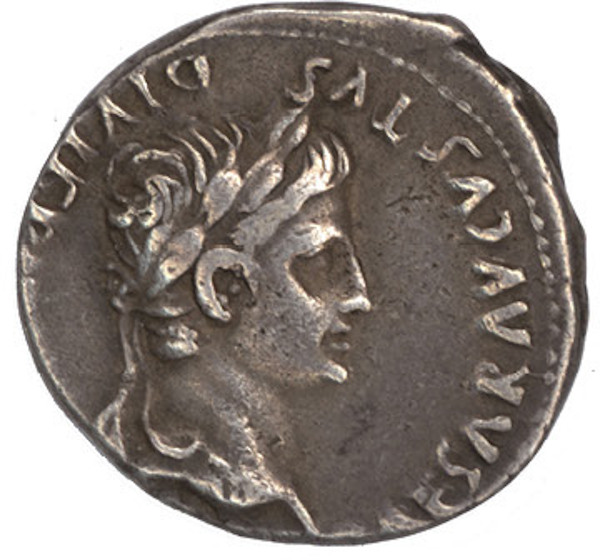
22:22 amazed. See Mk 1:22 and note. This response likely signals that Jesus’ answer doesn’t satisfy either group. It functions more like a riddle, given that Jewish theology would claim God’s ownership and dominion over all things: In reality, all things belong to God.
22:23–40 See Mk 12:18–31; Lk 20:27–40 and notes.
22:23 Sadducees. See notes on 3:7; Ezr 7:2; Mk 12:18; Lk 20:27; Ac 4:1; see also chart and article.
22:24 Moses told us. Jesus quoted from the Pentateuch when arguing with the Sadducees, since for them only those books should be used to prove doctrine (see note on Mk 12:18). The reference (Dt 25:5–10) is to the levirate law (from Latin levir, “brother-in-law”), which was given to protect the widow and guarantee continuance of the family line.
22:30 they will be like the angels in heaven. See Lk 20:36.
22:34–40 When asked about the greatest commandment, Jesus prioritizes love for God and neighbor. This prioritization fits Jewish practice (see note on Mk 12:29–31) and follows Jesus’ practice throughout Matthew (see 9:13; 12:7; 19:16; 23:23 and notes).
22:37 with all your heart . . . soul . . . mind. With your whole being. The Hebrew of Dt 6:5 (see note there) has “heart . . . soul . . . strength,” but some manuscripts of the Septuagint (the pre-Christian Greek translation of the OT) add “mind.” Jesus combined all four terms in Mk 12:30. soul. See note on 10:28.
22:40 the Law and the Prophets. The entire OT (see note on 5:17). hang on these two commandments. Because loving God and others sums up God’s will for humanity.
22:41–46 See notes on Mk 12:35–40; Lk 20:44–47.
22:44 See note on Ps 110:1. Jesus bases his argument on Ps 110, the most frequently quoted OT chapter in the NT (see introduction to Ps 110). He assumes the Davidic authorship of the psalm, which is essential to his argument. For the nature of the argument, see note on Lk 20:44.

Pharisees | |
Their roots can be traced to the Hasidim of the second century bc (see note on Mk 2:16). | (1) Along with the Torah, they accepted as equally inspired and authoritative all the commands set forth in the oral traditions preserved by the rabbis. |
(2) On free will and determination, they held to a mediating view that did not allow either human free will or the sovereignty of God to cancel out the other. | |
(3) They accepted a rather developed hierarchy of angels and demons. | |
(4) They believed in the immortality of the soul and in reward and retribution after death. | |
(5) They believed in the resurrection of the dead. | |
(6) The main emphasis of their teaching was ethical rather than theological. | |
(7) Their attentiveness to purity regulations arose in part from their concern to live as if they, like priests, were involved in temple service. This required a stricter code and attention to avoiding people who were currently in a state of ritual impurity. | |
Sadducees | |
They probably had their beginning during the Hasmonean period (166–63 bc). Their demise occurred c. ad 70 with the fall of Jerusalem and the destruction of the temple. See article. | (1) They considered only the books of Moses to be authoritative for proving doctrine, denying that the oral law was authoritative and binding. |
(2) They were very exacting in Levitical purity, given their regular temple involvement. | |
(3) They attributed everything to free will. | |
(4) They argued that there is neither resurrection of the dead nor a future life. | |
(5) They rejected the idea of a spiritual world, including belief in angels and demons. | |
Essenes | |
They probably originated among the Hasidim, along with the Pharisees, from whom they later separated (1 Maccabees 2:42; 7:13). The Hasidim were a group of zealous Jews who took part with the Maccabeans in a revolt against the Syrians c. 165–155 bc. A group of Essenes probably moved to Qumran c. 150 bc, where they copied scrolls and deposited them in nearby caves (see article). | (1) They strictly observed the purity laws of the Torah because they were performing temple rituals (though apart from the temple itself). |
(2) They practiced communal ownership of property. | |
(3) They had a strong sense of mutual responsibility. | |
(4) Daily worship was an important feature along with daily study of their sacred scriptures. | |
(5) Solemn oaths of piety and obedience had to be taken. | |
(6) Sacrifices were offered on holy days and during their sacred seasons, but not at the temple, which they considered to be corrupt. | |
(7) Marriage was avoided by some but was not condemned in principle. | |
(8) They attributed to predestination or fate everything that happened. | |
Zealots | |
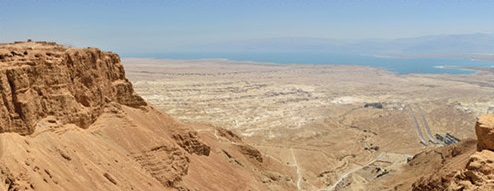
They originated during the reign of Herod the Great c. 6 bc but were not an identifiable group until the ad 60s. A group of Zealots were among the last defenders against the Romans at Masada in ad 73. | (1) They opposed payment of taxes to a pagan emperor because they believed that allegiance was due to God alone. |
(2) They were fiercely loyal to Jewish tradition. | |
(3) They endorsed the use of violence as long as it accomplished a good end. | |
(4) They were opposed to the influence of Greek pagan culture in the Holy Land, including the Greek language. | |
Go to the Charts Index.
23:2 teachers of the law. See note on 2:4. Pharisees. See notes on 3:7; Lk 5:17. sit in Moses’ seat. A position of authority. They considered themselves to be the authorized successors of Moses as teachers of the law.
23:3 not practice what they preach. A central critique of the Pharisees throughout Matthew is that they are disobedient to the law (e.g., 15:1–9). See Jas 1:22–25.
23:4 tie up heavy, cumbersome loads and put them on other people’s shoulders. Cf. Jesus’ words in 11:28–30 and see note on 11:28; see also note on Lk 11:46.
23:5 phylacteries. These boxes (see photo; see also NIV text note) contained four Scripture passages (Ex 13:1–10; 13:11–16; Dt 6:4–9; 11:13–21). tassels. Jesus wore these prescribed tassels (see 9:20; 14:36 and note; see note on Nu 15:38). His critique of the Jewish leaders concerned their ostentatious practices of making their tassels excessively long (and their phylacateries wide).
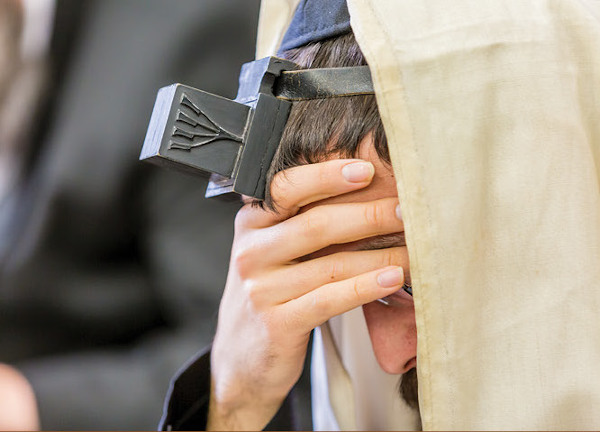
Phylacteries were small leather boxes holding verses from the Torah that were attached by leather straps to the forehead and left arm of a person in prayer (see Mt 23:5 and note). This photo shows how Jews continue to use phylacteries today.
Eliyahu Yosef Parypa/Shutterstock
Return to the main text.
23:6 most important seats in the synagogues. See note on Mk 12:39.
23:7 Rabbi. A Hebrew word meaning “(my) teacher.”
23:8–12 The warning is against seeking titles of honor to foster pride. All disciples are equal under their God and Messiah (see 20:14 and note).
23:10 instructors . . . Instructor. This translates an unusual Greek term (used only here in the Bible), likely referring to one who teaches personally—a guide or a leader. The word has high status connotations, which further highlights the inappropriate nature of elevating anyone in the community other than the Messiah and the Father.
23:12 The great reversal that comes with the kingdom of God (5:3–12; Jas 4:6, 10; 1Pe 5:5–6).
23:13–32 Seven woes pronounced by Jesus on a particular group of the Pharisees and the teachers of the law (see the six woes in Lk 11:42–44,46–52; cf. the six woes in Isa 5:8–25 and in Isa 28:1—35:10 [see note there] and the five woes in Hab 2:6–20).
23:13 hypocrites. See vv. 15,23,25,27,29; see also note on 6:2. shut the door of the kingdom . . . in people’s faces. See Lk 11:52 and note.
23:15 Jesus does not criticize these Pharisees for their evangelistic zeal. He objects to its results. The converts became even more the children of hell (i.e., bound for hell) than their teachers. convert. The Greek for this word is found in the NT only here and in Ac 2:11 (see note there); 6:5 (see note there); 13:43. hell. See notes on 5:22; Lk 12:5.
23:16–26 blind guides . . . blind fools . . . blind men . . . Blind Pharisee! Although the Pharisees were supposed to be Israel’s teachers, these were themselves spiritually blind.
23:16–22 If anyone swears. When these teachers of the law and Pharisees took an oath, they differentiated between what was binding and what was not. This allowed for evasive oath-taking. Jesus rejected all such subtleties by showing how foolish they were and by insisting that people simply tell the truth (see 5:33–37 and note).
23:23 Jesus does not criticize the observance of the details of the law (he says, “without neglecting” them—including the tithe) while the law is still in force, but he does criticize the hypocrisy of attending to peripheral laws while ignoring the central ones (see notes on 5:18–20; Lk 11:42). cumin. A spice indigenous to western Asia and resembling caraway in taste and appearance. justice, mercy and faithfulness. These are qualities extolled in the law and the prophets that characterize Jesus and are to typify his followers. For allusions to Micah, see Mic 6:6,8 and notes.
23:24 strain out. The strict Pharisee would carefully strain his drinking water through a cloth to be sure he did not swallow a gnat, the smallest of ceremonially unclean animals. But, figuratively, he would swallow a camel—one of the largest. swallow a camel. Hyperbole (see 7:3 and note; 19:24; Mk 10:25 and note).
23:26 clean the inside. A total moral renewal that will manifest itself in righteous living (v. 23).
23:27 whitewashed tombs. A person who touched a grave became ceremonially unclean (Nu 19:16), so graves were whitewashed to make them easily visible, especially at night. They appeared clean and beautiful on the outside, but they were dirty and rotten on the inside.
23:29 tombs for the prophets. See note on Lk 11:47.
23:31 descendants. In the sense that they imitate the actions of their murderous ancestors.
23:32 Cf. Ge 15:16; 1Th 2:14–16; spoken ironically. They would bring the sin of their ancestors to completion with the crucifixion of the Son of God (cf. 21:38–39 and note on 21:35–37).
23:33 hell. See notes on 5:22; Lk 12:5.
23:34 prophets and sages and teachers. Cf. Jer 18:18; Eze 7:26 and notes. synagogues. See note on Mk 1:21.
23:35 Abel to . . . Zechariah. Jesus was summing up the history of martyrdom in the OT. The murder of Abel is recorded in Ge 4:8 and that of Zechariah son (perhaps grandson, since he is here called “son of Berekiah”; see NIV text note on 1Ch 1:5; see also note on Da 5:1) of Jehoiada in 2Ch 24:20–22 (Chronicles comes at the close of the OT according to most Hebrew manuscripts). The expression was somewhat like our “from Genesis to Revelation.” between the temple and the altar. Jesus’ reference is more specific than the Chronicler’s on the location of Zechariah’s murder, perhaps referring to “the altar” as a place of sacrifice.
23:36 all this. All the righteous blood of the martyrs (see v. 30). will come on this generation. Jesus’ contemporaries; a prophecy fulfilled, at least in part, in the destruction of Jerusalem and the temple in ad 70 (see vv. 37–38).
23:37–39 See notes on Lk 13:34–35.
24:1—25:46 The Olivet discourse, the fifth and last of the great discourses in Matthew’s Gospel, addresses the fall of the temple (which occurred in ad 70) and Jesus’ return (see notes on 5:1—7:29; Mk 13:1–37; Lk 21:5–37; see also Introduction: Structure). Jesus deals with two questions (“when will this happen, and what will be the sign of your coming and of the end of the age?”) but may not distinguish them sharply. However, it appears that generally the description of the destruction of Jerusalem (“when will this happen”) occurs in vv. 4–22 or vv. 4–35 (see Lk 21:20). Jesus addresses his own return either starting in v. 23 or later in v. 36. Much of the discourse is taken up with warnings and exhortations to be prepared (a key motif) despite trials, persecutions and uncertainty about the exact timing of Jesus’ coming. The last section (24:36—25:46) contains several eschatological parables about preparedness and faithfulness (25:1–13,14–30,31–46).
24:2 not one stone . . . left. Fulfilled in ad 70, when the Romans under Titus completely destroyed Jerusalem and the temple buildings. Stones were even pried apart to collect the gold leaf that melted from the roof when the temple was set on fire. stone. See note on Mk 13:1. thrown down. Excavations in 1968 uncovered large numbers of these stones, toppled from the walls by the invaders (see photo).
24:3 Mount of Olives. A ridge a little more than a mile long, beyond the Kidron Valley east of Jerusalem and rising about 200 feet above the city (see map).
24:4 Watch out. See note on Mk 13:5.
24:5–14 See Lk 21:8–18 and note on 21:9.
24:5 in my name. Claiming to be the Messiah (see Mk 13:6 and note). Messiah. See second NIV text note on 1:1. will deceive many. See 1Jn 2:18 and note.
24:8 birth pains. The rabbis spoke of “birth pains,” i.e., sufferings, that would precede the coming of the Messiah (see Isa 13:8 and note). In general, Jesus’ teachings on the fall of Jerusalem warn about mistaking precursors (“birth pains”) with the actual event (e.g., 24:4–8), while his own return will be unusual in that it will arrive with no warning (e.g., 24:36–39).
24:13 See note on Mk 13:13; cf. 2Ti 2:10–13; Heb 10:36; 11:27; Jas 1:12; 5:11.
24:14 preached in the whole world. Despite his Jewish interests, Matthew has a universal outlook (see Introduction: Recipients). testimony to all nations. This missionary mandate (see 28:18–20 and notes) must be fulfilled before the end comes.
24:15 the abomination that causes desolation. The detestable thing causing the desolation of the holy place. The primary reference in Daniel (see NIV text note for references) was to 168 bc, when Antiochus Epiphanes erected a pagan altar to Zeus on the sacred altar in the temple of Jerusalem. According to some, there were still two more stages in the progressive fulfillment of the predictions in Daniel and Matthew: (1) the Roman destruction of the temple in ad 70, and (2) a still future setting up of an image of the antichrist in Jerusalem (see 2Th 2:4; Rev 13:14–15; see also notes on Da 9:25–27; 11:31). let the reader understand. These are possibly Jesus’ words, not Matthew’s, exhorting the readers of Daniel’s prophecy to understand what they read (but see note on Mk 13:14).
24:16 mountains. The Transjordan mountains, where Pella was located. Christians in Jerusalem fled to that area during the Roman siege shortly before ad 70. Some believe a similar fleeing will occur in a future tribulation period (identified with the 70th “seven” in Da 9:27; cf. Rev 12:6,13–17 and notes).
24:17 housetop. See notes on Mk 2:4; Lk 17:31.
24:20 in winter. See note on Mk 13:18. or on the Sabbath. Matthew alone includes this phrase because he was writing to Jews, who were forbidden to travel more than about three quarters of a mile on the Sabbath (“a Sabbath day’s walk,” Ac 1:12; see note there).
24:21 great distress, unequaled. Josephus, the Jewish historian who was there, describes the destruction of Jerusalem in almost identical language (Wars, 5.10.3–5; 6.3.3–5). Some believe the reference is also to a future period of great distress (see note on v. 16; see also Da 12:1 and note; cf. Rev 6–18; cf. also article).
24:22 days . . . cut short. Some hold that this statement means that the distress will be of such intensity that, if allowed to continue, it would destroy everyone. Others believe that Christ is referring to the cutting short of a previously determined time period (such as the 70th “seven” of Da 9:27 or the 42 months of Rev 11:2; 13:5). the elect. The chosen people of God (see also vv. 24,31).
24:24 false messiahs. See 1Jn 2:18 and note.
24:26 inner rooms. See Lk 12:3 and note.
24:27 Christ’s second coming will not be in secret, witnessed by only a favored few; it will be visible to all (see v. 30). as lightning. See note on Lk 17:24.
24:28 there the vultures will gather. The gathering of vultures obviously indicates the presence of carrion; the coming of Christ will likewise be obvious. See note on Lk 17:37, where the saying is used in a slightly different sense. Cf. Rev 11:17–18 and note on 19:17.
24:30 sign. Here probably means “banner” or “standard” (Isa 11:12; 18:3; 49:22; Jer 4:21; 51:27). all the peoples . . . will mourn. Because they now face judgment (see Rev 1:7; cf. Zec 12:10–12). the Son of Man coming on the clouds. Alludes to Da 7:13, which refers to the Son of Man receiving glory, honor, and an eternal kingdom. This could refer to either (1) Christ’s second coming (2Th 1:7–10; Rev 19:11–16) or (2) the victory that Christ achieved in his death, resurrection and ascension, and/or his invisible coming in judgment on the temple in ad 70. Son of Man. See note on Mk 8:31. on the clouds. After the manner in which God came down on Mount Sinai (see 17:5 and note). with power and great glory. Cf. 1Ch 29:11; Ps 63:2; 66:2–3; Hab 3:3–4.
24:31 gather his elect. See note on Mk 13:27.
24:33 it. The kingdom of God (see Lk 21:31 and note on 21:29).
24:34 Truly I tell you. See note on Mk 3:28. this generation. See note on Lk 21:32.
24:35 Jesus’ words are more certain than the existence of the universe.
24:36 that day. See note on Lk 21:34. nor the Son. See note on Mk 13:32.
24:38 eating . . . marrying. Carrying out their regular activities and so caught off-guard.
24:40–41 taken. Either in judgment or for salvation; see note on Lk 17:35.
24:42 keep watch. Cf. v. 4; 25:13. Vigilance is the order of the day, because the time of Christ’s coming is unknown (see notes on Mk 13:32,37).
24:44 be ready. See 25:10,29; 1Th 5:6 and notes; cf. 1Jn 2:28.
24:51 weeping and gnashing of teeth. See note on 13:42.
25:1–12 The parable emphasizes the need for watchfulness in the event of an unexpectedly long delay in Christ’s coming (see v. 13 and note).
25:1 At that time. The time of Christ’s coming. kingdom of heaven. See note on 3:2. ten virgins. The bridesmaids, who were responsible for preparing the bride to meet the bridegroom. lamps. Probably torches that consisted of a long pole with oil-drenched rags at the top.
25:3 oil. Olive oil.
25:7 trimmed. The charred ends of the rags were cut off and oil was added.
25:9 No. When Christ returns, preparedness cannot be shared or transferred. Personal responsibility is emphasized (v. 12). there may not be enough. Torches required large amounts of oil in order to keep burning, and the oil had to be replenished about every 15 minutes.
25:13 keep watch. The main point of the parable. the day or the hour. Of the coming of Christ.
25:14–30 For a similar parable, see Lk 19:12–27.
25:15 bag. See NIV text note. The term talent was first used for a unit of weight (about 75 pounds), then for a unit of coinage. The present-day use of “talent” to indicate an ability or gift is derived from this parable.
25:21 faithful with a few . . . in charge of many. Cf. 13:12; see notes on v. 29; Mk 4:25; Lk 19:26.
25:27 bankers. Sat at small tables and changed money (cf. 21:12).
25:29 The main point of the parable. Being ready for Christ’s coming involves more than playing it safe and doing little or nothing. It demands faithful service (as in 25:31–46; see note on Lk 19:26).
25:30 weeping and gnashing of teeth. See note on 13:42.
25:31–46 The two most widely accepted interpretations of this judgment are: (1) The final judgment at the end of the age (Rev 20:11–15). Its purpose will be to determine who will be allowed to enter the eternal kingdom of the saved and who will be consigned to eternal punishment in hell (vv. 34,46). (2) The judgment will occur at the beginning of an earthly millennial kingdom (vv. 31,34; see article). Its purpose will be to determine who will be allowed to enter the kingdom (v. 34). The basis for judgment in this case will be the kind of treatment shown to the Jewish people during the preceding great tribulation period (vv. 35–40,42–45). Ultimately, how one treats them will reveal whether or not one is saved (vv. 41,46). In both cases, the basis for judgment will be whether love is shown to “the least of these brothers and sisters of mine” (see note on v. 40).
25:31 Son of Man. See note on Mk 8:31. in his glory. See 16:27; 24:30. angels. See 13:41–42; 2Th 1:7; Rev 14:17–20. sit on his glorious throne. Not only as judge but also as king (vv. 34,40).
25:32 All the nations. Both Jews and Gentiles (see 28:19 and note). separates the sheep from the goats. Cf. 7:21–23; 13:40–43. sheep. “The righteous” (v. 37).
25:33 on his right. See Mk 10:37 and note.
25:34–40 Rewards in the kingdom of heaven are given to those who serve without thought of reward. There is no hint of merit here, for God gives out of grace, not debt.
25:34 inheritance. See Ac 20:32; Eph 1:14, 18; 5:5; Col 1:12; 3:24; Heb 9:15; 1Pe 1:4. kingdom. See note on 3:2. since the creation of the world. Cf. Eph 1:4 and note.
25:40 least of these brothers and sisters of mine. The Greek term for “least of these” is the superlative form of (the Greek for) “little ones” (10:42; 18:6–14) and is a term indicating one of low status. Using both terms, Matthew highlights the importance for the church to care for those most on the margins of their communities. But to whom specifically does “the least of these” refer in this judgment scene? The principal views are: (1) all people who are hungry, thirsty, poor, needy or otherwise distressed, since the great surprise of both groups that they have served Jesus suggests the group goes beyond Christians only (25:45); (2) Christians who are hungry, thirsty, etc., since they are described here as “brothers and sisters of mine,” a term usually used for Christians in Matthew (e.g,. 12:50; 18:15); (3) apostles and other Christian missionaries, who leave everything to travel in mission (10:5–20; 19:27–29); or (4) the Jews mentioned in the second interpretation in the note on vv. 31–46.
25:41 eternal fire prepared for the devil. See Rev 20:10. fire. See Jude 7; Rev 19:20 and notes; 20:15.
25:46 eternal punishment . . . eternal life. See Da 12:2; Jn 5:28–29; see also Jn 5:29; Ro 2:6–8; Gal 6:8 and notes. The parallelism between these two phrases prevents any weakening of the former.
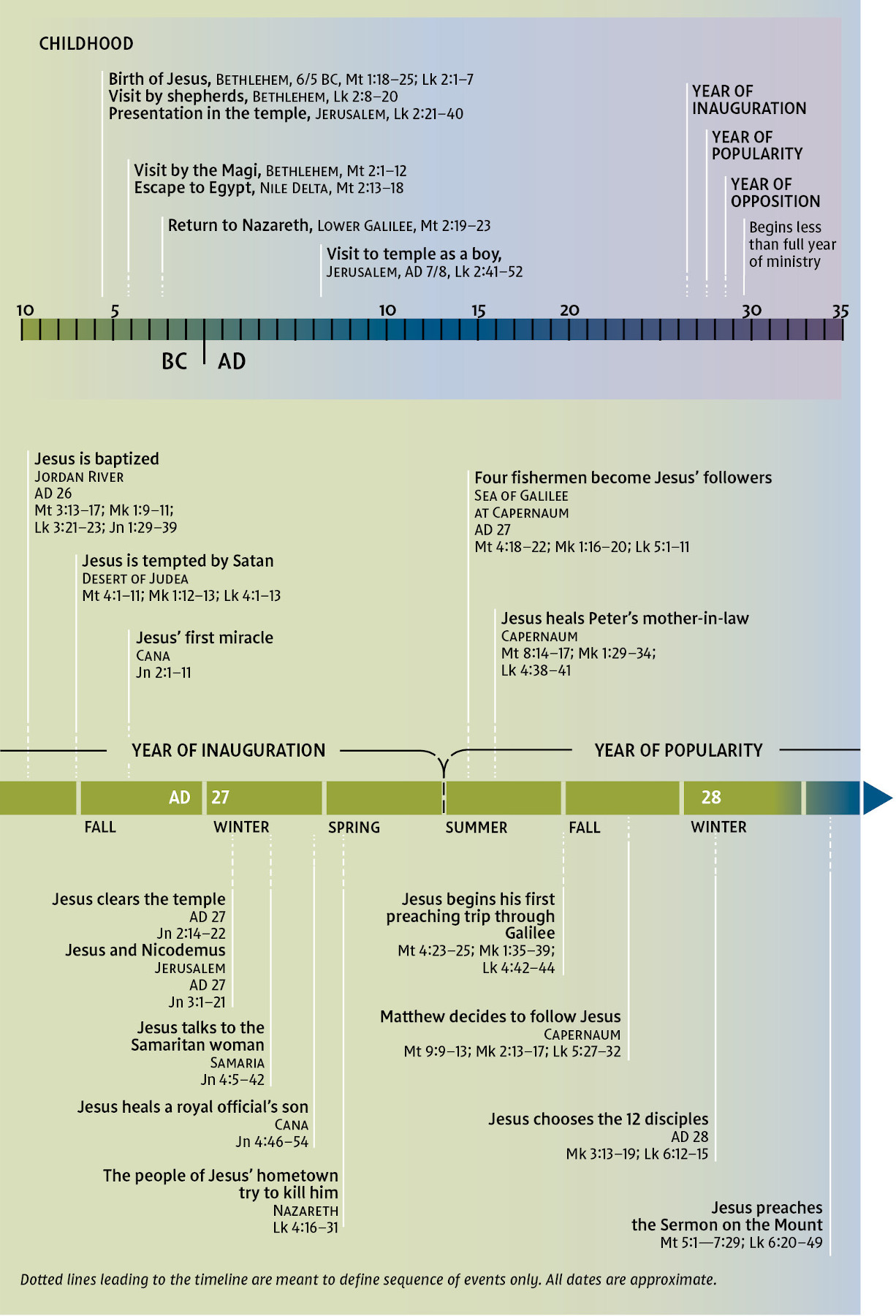
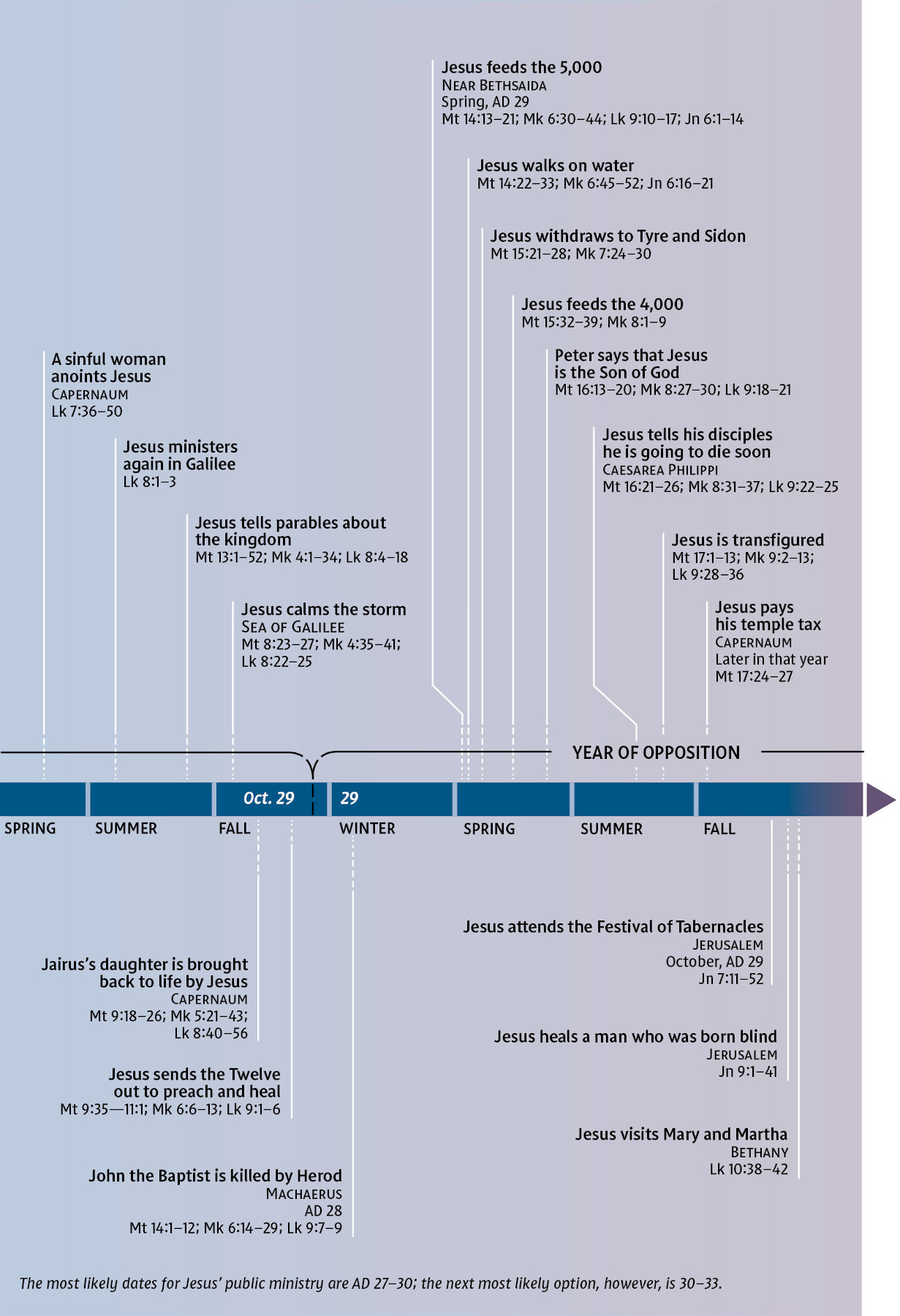
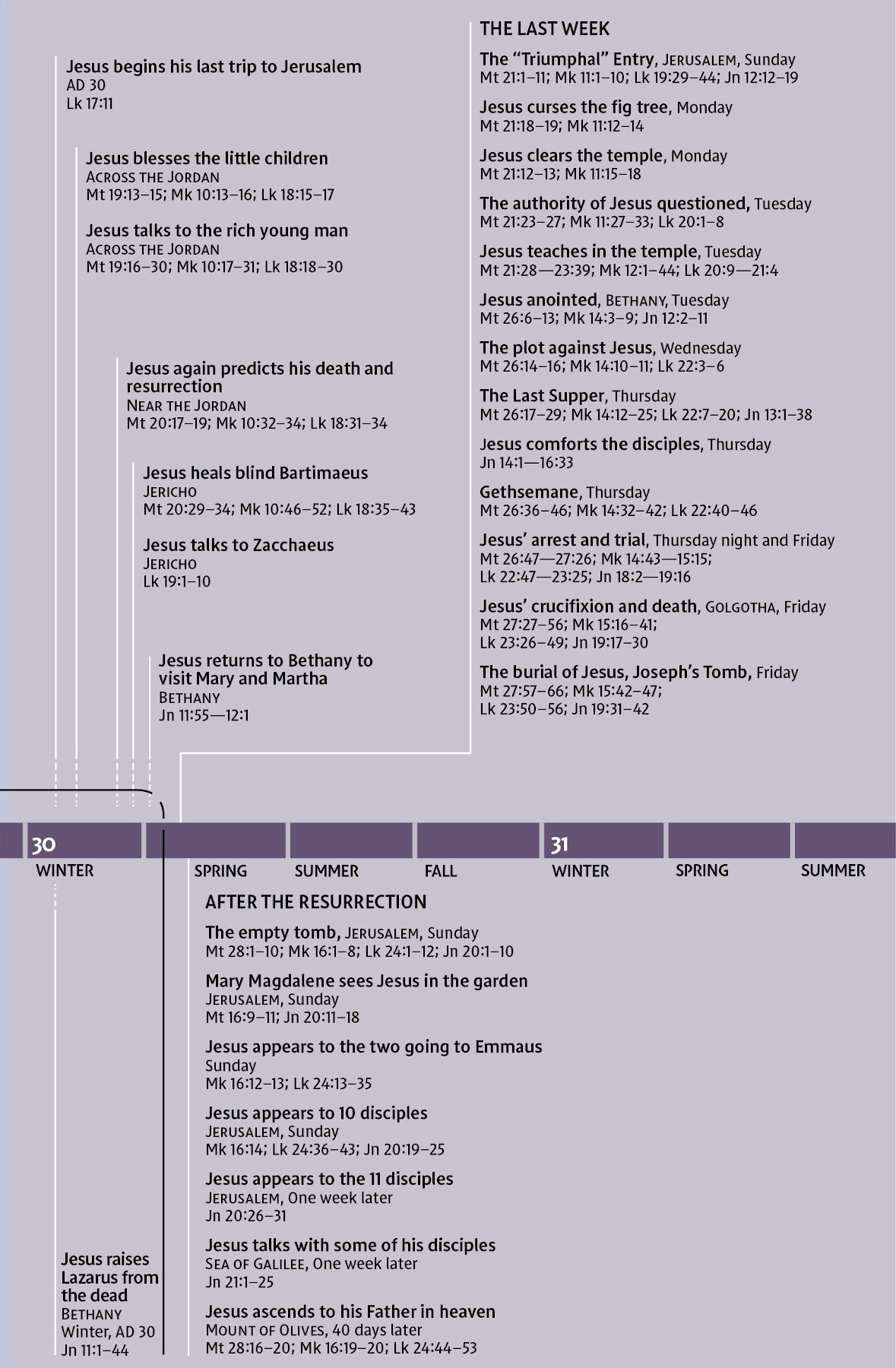
Dotted lines leading to the timeline are meant to define sequence of events only. All dates are approximate.
The most likely dates for Jesus’ public ministry are ad 27–30; the next most likely option, however, is 30–33.
Go to the Charts Index.
26:2 Passover. See notes on Mk 14:1; Jn 2:13. Son of Man. See note on Mk 8:31.
26:3 chief priests and the elders of the people. The priestly and lay leadership of the Sanhedrin (see note on 2:4). Caiaphas. High priest ad 18–36 and the son-in-law of Annas (see Jn 18:13 and note), a former high priest, who served ad 6–15. In 1991 an ossuary (a limestone chest containing the bones of the dead) was found in Jerusalem inscribed with the name Caiaphas (see photo).
26:5 there may be a riot. Hundreds of thousands of Jewish pilgrims came to Jerusalem for Passover (see note on Mk 14:2), and riots were not unknown, especially during this festival that celebrated liberation from Egypt. The religious leaders (v. 3) knew that many people admired Jesus.
26:6–13 See note on Jn 12:1–11.
26:6 Bethany. See note on 21:17. Simon the Leper. Mentioned elsewhere only in Mk 14:3, though Simon was a common Jewish name in the first century. He was probably a well-known victim of leprosy who had been healed by Jesus.
26:7 a woman. Not named, but John identifies her as Mary, sister of Martha and Lazarus (see Jn 12:3 and note). alabaster jar. Most alabaster of ancient times was actually marble (see note on Mk 14:3).
26:8 the disciples . . . were indignant. The reaction of the disciples to the anointing of Jesus contrasts with the woman’s act of devotion.
26:9 given to the poor. See note on Mk 14:5.
26:11 The poor you will always have with you. See note on Mk 14:7.
26:12 prepare me for burial. See note on Mk 14:8.
26:14 Iscariot. See note on Mk 3:19. chief priests. See note on 2:4.
26:15 thirty pieces of silver. Equivalent to 120 denarii. Laborers customarily received one denarius for a day’s work (20:1–16). See notes on 20:2; Zec 11:12.
26:17 first day of the Festival of Unleavened Bread. The 14th of Nisan (March-April), it was also called the preparation of the Passover. The Passover meal was eaten the evening of the 14th after sunset—and therefore technically on the 15th, since the Jewish day ended at sunset. The Festival of Unleavened Bread lasted seven days, from the 15th to the 21st of Nisan (Lev 23:5–6), but in the first century the entire period, Nisan 14–21, was referred to under that name (see note on Mk 14:12).
26:18–30 These verses indicate that Jesus ate the Passover meal with his disciples the night before his crucifixion. For more information on the Lord’s Supper, see notes on Mk 14:22,24.
26:18 The Teacher says. See note on Lk 22:11. My appointed time. Jesus’ crucifixion.
26:19 as Jesus had directed them. See note on Lk 22:13.
26:20 When evening came. See note on Mk 14:17. reclining at the table. See note on Mk 14:18.
26:21 Truly I tell you. See note on Mk 3:28.
26:23 dipped his hand into the bowl with me. It was the custom—still practiced by some in the Middle East—to take a piece of bread, or a piece of meat wrapped in bread, and dip it into a bowl of sauce (made of stewed fruit) on the table. will betray me. In that culture to eat with a person was tantamount to saying, “I am your friend and will not hurt you.” This fact made Judas’s deed all the more despicable (cf. Ps 41:9 and note).
26:24 as it is written about him. See notes on Mk 14:21; Lk 24:44. Son of Man. See note on Mk 8:31.
26:25 one who would betray him. See Jn 13:30 and note.
26:26–28 See notes on Mk 14:22–24.
“This Is My Body” . . . “This Is My Blood”
These words, uttered by Jesus at the Passover meal with his disciples the night before his crucifixion, inform the sacrament of the Lord’s Supper (also called the Eucharist, or Communion). The occasion of the Passover ties Israel’s deliverance from Egypt, commemorated by the sacrifice of the paschal lamb, to the much greater deliverance from sin effected by the sacrifice of the Lamb of God (1Co 5:7; cf. Jn 1:29).
Jesus calls the broken bread his body, given for his disciples (Lk 22:19), and the wine his blood, “poured out for many for the forgiveness of sins” (Mt 26:28). Jesus further describes the wine as blood “of the covenant,” indicating that its shedding effectuates a communal relationship between God and the participants in the sacrament. Those who eat the bread and drink the wine participate mysteriously but truly in the body and blood of Christ (1Co 10:16) and have the eternal life such intimate fellowship necessarily yields (Jn 6:53–58).
Exactly how Jesus is present in the bread and wine has understandably been the subject of much debate in the church throughout the ages. What is clear, however, is that the bread and wine are a means of grace by which God nourishes and strengthens believers in relationship with him and one another by their faith in the One whose sacrifice has made that relationship possible.
Go to the Articles Index.
26:27 took a cup. See note on Lk 22:17.
26:28 blood of the covenant . . . poured out for many. See note on Mk 14:24.
26:29 drink it new . . . in my Father’s kingdom. At the Messianic banquet (see Lk 22:16 and note).
26:30 hymn. The Passover fellowship was concluded with the second half of the Egyptian Hallel Psalms (Ps 115–118). Ps 113–114 were sung before the meal. Mount of Olives. See note on Mk 11:1.
26:31 all fall away. Not Peter only, but all the eleven (Judas had previously withdrawn, Jn 13:30). The meaning of the words “fall away” is seen in Peter’s denial (vv. 69–75) and in the terrified flight of the other disciples (v. 56). I will strike the shepherd. See note on Zec 13:7.
26:32 into Galilee. Cf. 28:10,16–20; Mk 16:7; Jn 21:1–23.
26:34 before the rooster crows. The reference may be to the third of the Roman watches into which the night was divided (see note on 14:25; see also Mk 13:35 and note). Or it may simply refer to early morning when the rooster crows.
26:36 Gethsemane. The name means “oil press,” a place for squeezing the oil from olives (see note on Mk 14:32).
26:37 Peter and the two sons of Zebedee. The latter were James and John. These three disciples seem to have been especially close to Jesus and/or the leaders among the Twelve (see 17:1; see note on Mk 5:37).
26:38–39 Jesus faced real temptation in Gethsemane to be deterred from his mission to die on behalf of humanity. The temptations narrated in ch. 4 culminate in this passage, where we see Jesus struggle in prayer and emerge ready for the ordeal ahead.
26:38 soul. See 10:28 and note. overwhelmed with sorrow. See Isa 53:3 and note.
26:39 cup. A symbol of deep sorrow, suffering and judgment, alluding to the cup filled with God’s wrath against all human sin (see Jer 25:15 and note).
26:45 the hour. See note on Lk 22:53. Son of Man. See note on Mk 8:31.
26:47 Judas. See notes on Jn 6:70; 17:12. large crowd armed with swords and clubs. See note on Mk 14:43. chief priests and the elders. See notes on v. 3; 2:4.
26:48 The one I kiss. See note on Lk 22:47.
26:49 Rabbi. Hebrew word for “(my) teacher.” kissed him. See notes on Mk 14:45; Lk 22:47.
26:50 friend. See note on 20:13.
26:51 one of Jesus’ companions . . . servant of the high priest. John identifies the companion as Peter and the servant as Malchus (see Jn 18:10 and note).
26:53 legions. A Roman legion had 6,000 soldiers.
26:54 Scriptures be fulfilled. Here and in v. 56 Jesus is referring to the Scriptures more generally rather than to specific verses (see notes on Mk 14:49; Lk 24:44).
26:55 Jesus protested the manner of his arrest. The crowd sent by the Sanhedrin (see note on Mk 14:55) had come after him as if he were a dangerous criminal or insurrectionist.
26:56 disciples deserted him. Contrast v. 35.
26:57—27:26 For a summary of the two stages (Jewish and Roman) of the trial of Jesus see note on Mk 14:53—15:15.
26:57 Caiaphas. See v. 3; Jn 11:49 and notes. teachers of the law. See note on 2:4. elders. See notes on Ex 3:16; 2Sa 3:17.
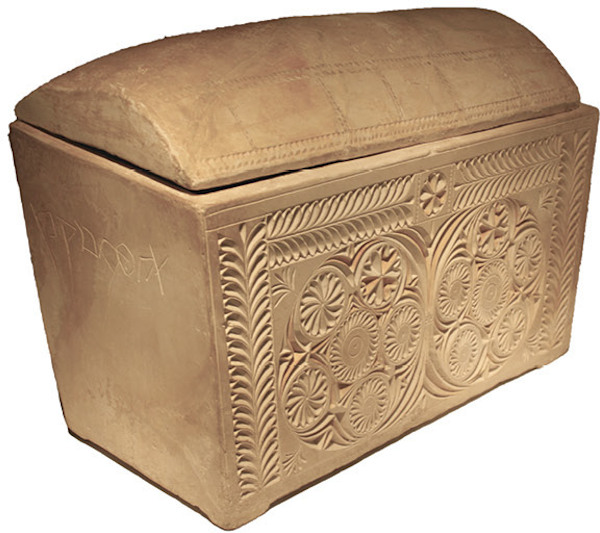
This ossuary (a limestone chest containing the bones of the dead) of Caiaphas (see 26:3) was found in Jerusalem and dates to the 1st century. The inscription on the side of the box reads, “Joseph son of Caiaphas.” Joseph Caiaphas, high priest from ad 18 to 36, is chiefly known for his involvement in the arrest of Jesus, trying Jesus for blasphemy, and eventually handing him over to Pontius Pilate.
Public Domain
Return to the main text.
26:59 Sanhedrin. See note on Mk 14:55.
26:61 I am able to destroy the temple of God. Possibly an intentional distortion of Jesus’ words found in John (see Mk 14:58; Jn 2:19 and notes).
26:63 I charge you under oath. Jesus refused to answer the question of v. 62 (see v. 63a). But when the high priest used this form, Jesus was legally obliged to reply. Messiah. See note on 16:16.
26:64 You have said so. A veiled affirmative implying, “That’s your way of saying it” or “You have acknowledged it yourself.” This Son of Man saying brings together Ps 110:1 and Da 7:13 (see note on 10:23). This combination indicates that Jesus will share God’s rule in heaven and will judge all people. See Mt 17:5; 24:30 and notes.
26:65 tore his clothes. Ordinarily the high priest was forbidden by law to do this (Lev 10:6; 21:10), but this was considered a highly unusual circumstance. The high priest interpreted Jesus’ answer in v. 64 as blasphemy (see note on Mk 14:64).
26:67–68 Mark (14:65) and Luke (22:64) report that they blindfolded Jesus, which explains the mocking command: “Prophesy . . . Who hit you?”
26:73 After a little while. Lk 22:59 says “About an hour later.” your accent gives you away. Peter had a Galilean accent that was conspicuous in Jerusalem.
27:1 Early in the morning. Continues the narrative from 26:68. The Sanhedrin could not have a legal session at night, so at daybreak they held a special meeting to make the death sentence (26:66) official. See notes on Mk 14:53—15:15; 15:1; Lk 22:66; Jn 18:28.
27:2 handed him over to Pilate. The Sanhedrin had been deprived by the Roman government of the right to carry out capital punishment, except in the case of a foreigner who entered the sacred precincts of the temple. So Jesus had to be handed over to Pilate for execution. For additional information about Pilate, see note on Lk 3:1.
27:3–10 See Ac 1:16–19.
27:3 thirty pieces of silver. See 26:15 and note.
27:5 temple. Probably the treasury room of the temple (v. 6). hanged himself. See note on Ac 1:18.
27:8 Field of Blood. Cf. “Valley of Slaughter” in Jer 19:6.
27:9 Jeremiah. The quotation that follows seems to combine Zec 11:12–13 and Jer 19:1–13 (or perhaps Jer 18:2–12 or 32:6–9). But Matthew attributes it to the better-known prophet Jeremiah. Alternatively, he cites the less obvious reference to encourage his readers to look for it. For a similar composite quotation, see Mk 1:2–3 and note on Mk 1:2.
27:11 governor. Pontius Pilate (see note on v. 2). king of the Jews. See note on Jn 18:33.
27:14 Jesus made no reply. See 26:63; Mk 15:4; Isa 53:7 and notes. amazement of the governor. That Jesus said nothing to defend himself (see note on Mk 15:4).
27:16 Barabbas had achieved notoriety by taking part in a rebellion (Lk 23:19; Jn 18:40), presumably against the Romans. So he would have been a folk hero among the Jews. See notes on Mk 15:7; Lk 23:18; Jn 18:40. Some manuscripts use Barabbas’s full name, Jesus Barabbas, in vv. 16–17 (as in the NIV; see NIV text note on v. 16). If that is the correct reading, it sharpens the point of Pilate’s question in v. 17.
27:19 Matthew is the only writer who records this incident about Pilate’s wife, which adds another positive Gentile portrayal to his others (e.g., 8:5–13; 15:21–28) and also highlights the positive role of women in the passion narrative (26:5–13; 27:55–56). dream. Dreams play an important role in the life of Jesus in Matthew’s Gospel (1:20; 2:12,13, 19,22).
27:24 washed his hands. See Dt 21:6; Ps 26:6 and notes; 73:13. Although Pilate tries to absolve himself from responsibility, he is the only one who is authorized to send Jesus to his crucifixion.
27:25 The people accept responsibility for their choice, which was influenced by the Jewish leaders (v. 20). Sadly, their words have often been inappropriately used to justify persecution of the Jewish people. Yet the last thing Matthew notes about the people is that they are open to the truth of Jesus’ resurrection (what their leaders call a “deception,” 27:64). If there was a fulfillment of their declaration, it was most likely in the destruction of Jerusalem in ad 70, which would account for the two generations indicated in “us and our children.” All the following passages should be studied regarding responsibility for Christ’s death on the cross: Isa 53:10; Ac 2:23; Jn 10:17–18; Heb 9:14; Mt 26:47, 50,57,59,63–66; 27:1–2,20,22,26–27,31,41; Ro 5:8. Because of these and other similar Scriptures, a truly biblical Christian should never be guilty of anti-Semitism.
27:26 flogged. Roman floggings were so brutal that sometimes the victim died before crucifixion (see note on Mk 15:15).
27:27 Praetorium. The governor’s official residence in Jerusalem (see notes on Mk 15:16; Ac 23:25).
27:28 robe. The outer cloak of a Roman soldier.
27:29 crown of thorns. See note on Mk 15:17. staff. A mock scepter. Hail, king of the Jews! See note on Mk 15:18.
27:30–31 See Isa 50:6 and note.
27:30 spit on him. See note on Mk 15:19.
27:32–50 In the crucifixion narrative, Matthew highlights Jesus as the Messianic king who experiences intense suffering in spite of his innocence (like the righteous sufferer of Ps 22).
27:32 they. See v. 27. Cyrene. See note on Mk 15:21. Simon . . . to carry the cross. See note on Mk 15:21.
27:33 Golgotha. See note on Mk 15:22.
27:34 mixed with gall. Tradition says that the women of Jerusalem customarily furnished this pain-killing narcotic to prisoners who were crucified. Jesus refused to drink it because he wanted to be fully conscious until his death (v. 50).
27:35 crucified. See note on Mk 15:24. casting lots. Explained more precisely in Jn 19:23–24 (see notes there; see also NIV text note on Jn 19:24).
27:37 See notes on Mk 15:26; Lk 23:38; Jn 19:19.
27:38 Two rebels. See note on Mk 15:27.
27:39 shaking their heads. See Ps 22:7 and note.
27:41 chief priests, the teachers of the law and the elders. The Sanhedrin (see note on v. 1).
27:44 rebels . . . heaped insults on him. But one came to believe (Lk 23:42–43).
27:46 Eli, Eli, lema sabachthani? Here Jesus spoke a dialect of Aramaic, which Matthew translates for his readers (see note on Mk 15:34).
27:47 Elijah. See note on Mk 15:35.
27:48 sponge. See note on Jn 19:29. wine vinegar. See notes on Mk 15:36; Lk 23:36; Jn 19:29.
27:50 loud voice. See note on Jn 19:30.
27:51 curtain. The curtain that separated the Holy Place from the Most Holy Place. The tearing of the curtain signified Christ’s making it possible for believers to go directly into God’s presence (see Mk 15:38; Lk 23:45; Heb 9:1–14; 10:14–22 and notes).
27:54 centurion. Another Gentile who responds positively to Jesus (see note on 8:5). Son of God. See note on Lk 23:47.
27:55 women . . . to care for his needs. Women played a significant role in the ministry of Jesus (Mk 15:41; Lk 23:49) and his disciples (see Lk 8:3 and note).
27:56 See notes on Mk 15:40; Lk 24:10.
27:57 Arimathea. A village in the hill country of Ephraim, about 20 miles northwest of Jerusalem; perhaps to be identified with Ramathaim, the birthplace of the prophet Samuel (see 1Sa 1:1 and note). Joseph. See notes on Lk 23:50; Jn 19:38.
27:58 asked for Jesus’ body. See notes on Lk 23:52; Jn 19:39.
27:60 new tomb. See notes on Mk 15:46; 16:3.
27:61 the other Mary. Presumably the mother of James and Joseph (v. 56). Mary was a very common name in the first-century Jewish world, so second names or other descriptors were often used to distinguish particular persons.
27:62 The next day, the one after Preparation Day. Saturday, the Sabbath. Friday was the preparation day for the Sabbath (sunset Friday to sunset Saturday).
27:65 Take a guard. Either of Roman soldiers or of their own temple police; 28:14 implies that they were answerable to Pilate (“the governor”), which may favor Roman soldiers. On the other hand, the fact that in 28:11 they “reported to the chief priests” (instead of to Pilate) may favor temple police, who would have been under the authority of the religious leaders. (“Take a guard” may also be rendered “You have a guard.”)
28:1 first day of the week. See note on Lk 24:1. the other Mary. See note on 27:61. Mk 16:1 adds Salome, and Lk 24:10 adds Joanna.
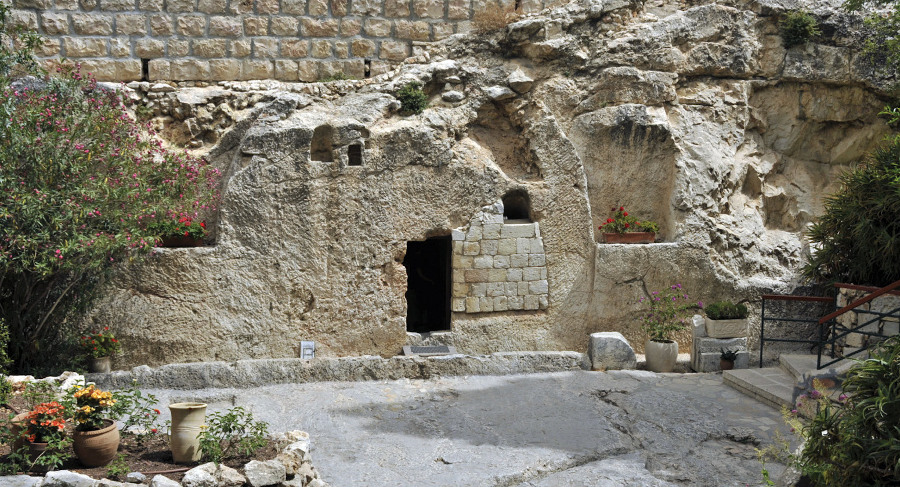
The Garden Tomb in Jerusalem is visited by hundreds of thousands of visitors each year. This tomb is typical of first-century tombs with a groove for a stone that would be rolled in front of it to close it.
© iStock.com/Chris Willemsen
Return to the main text.
28:2 There was. The sense is “Now there had been.” The parallel accounts (Mk 16:2–6; Lk 24:1–7; Jn 20:1) make it clear that the events of vv. 2–4 occurred before the women actually arrived at the tomb. violent earthquake. Only Matthew mentions this earthquake and the one at Jesus’ death (27:51,54).
28:6 just as he said. See 16:21 and note. see the place where he lay. See note on Jn 20:7.
28:7 going ahead of you into Galilee. See 26:32 and note.
28:10 my brothers. His “disciples” (v. 16).
28:11–15 Only Matthew tells of the posting of the guard (27:62–66), and he follows up by telling about their report.
28:11 reported to the chief priests. See note on 27:65.
28:13 His disciples . . . stole him away. One of many human attempts to explain away Christ’s resurrection. while we were asleep. It is more likely that Jewish temple police would be willing to admit to such dereliction of duty than Roman soldiers would.
28:16–20 Christ’s Great Commission for his church (cf. also Mk 16:15–18; Lk 24:46–48; Jn 17:18; 20:21; Ac 1:8 and relevant notes).
28:16 eleven. Judas had committed suicide (see 27:5 and note). mountain. Cf. note on 5:1. had told them. See v. 10.
28:17 some. Probably of the 11 disciples. doubted. Belief in the resurrection was not instantaneous for them. After the traumatic experience of the crucifixion, it took time for the disciples to come to full faith (Lk 24:10–11, 25–26,36–47).
28:18 authority. See 10:1; see also 7:29; 16:28; Jn 17:2 and notes. in heaven and on earth. The scope of Christ’s authority is the entire universe.
While there is general agreement among Christians about what baptism is, there is disagreement about how and to whom it should be administered. Virtually every branch of Christianity acknowledges that baptism (from the Greek baptisma) is one of the sacraments or ordinances of the church and marks the visible entrance of the baptized person into the believing community, which may be preceded by a public profession of faith. Baptism signifies the participants’ identification with Christ in his death, burial, and resurrection. The water signifies the washing away of sin by the blood of Christ and the raising to new life by the power of the Holy Spirit (Ro 6:3–4; Titus 3:5; 1Pe 3:18–22).
Disagreement exists, however, over how baptism should be performed and who can be baptized. Some hold that only those who profess their faith in Jesus Christ should be baptized (credobaptists), citing such passages as Ac 2:41; 8:12,36; 16:15,33; 18:8, where belief and baptism are mentioned together. Others, while welcoming to baptism those who profess their faith, also include children of believing parents as members of God’s covenant community (paedobaptists), finding a parallel between OT circumcision (Ge 17:7; Col 2:11–12), which was performed on a male child eight days after birth, and NT baptism. Those who hold this view cite such passages as Mk 10:16; Ac 2:39; 1Co 7:14, where children of believers are included in God’s blessings and promises.
There is also disagreement over how the baptism itself should or may be performed. Total or partial immersion in water, as well as pouring (affusion), and sprinkling (aspersion) have all been and continue to be practiced in the church. Though such differences regarding the methodology and recipients of baptism continue to beset the church, they should not be allowed to deflect attention from the union with Christ that such baptism signifies.
Go to the Articles Index.
28:19–20 Christ’s program of missions: “go and make disciples of all nations.” It is accomplished by “baptizing them” and “teaching them to obey everything” Christ has commanded. As much as Jesus has pointed his followers toward obedience to the law in Matthew, now it is what Jesus has taught that forms the center of discipleship loyalty.
28:19 disciples. See 5:1 and note. all nations. Contrast 10:5–6 and see note on 10:5; cf. Rev 5:9. baptizing them. As a sign of their union with and commitment to Christ (see notes on Ac 2:38; Ro 6:3–4). Father . . . Son . . . Holy Spirit. The doctrine of the Trinity means that there is one true God, existing eternally as three distinct persons: Father, Son and Holy Spirit (see 3:16–17 and note; 1Co 12:4–6; 2Co 13:14 and note; Eph 1:2–13; 4:4–6; 2Th 2:13 and note; Titus 3:4–6; 1Pe 1:2 and note; 1Jn 4:13–14; Rev 1:4–6 and NIV text note on 1:4).
28:20 with you. Matthew ends with the reassuring and empowering words of him who came to earth to be “God with us” (1:23; cf. 18:20). See note on 2Co 13:14.