Study Notes
1:1 The words of. Originally an introduction to the title of a separate composition (Jer 1:1; Am 1:1), though the books of Ezra and Nehemiah appear as a single work from earliest times (see Introduction to Ezra: Ezra and Nehemiah). Nehemiah. Means “The LORD comforts.” Kislev . . . twentieth year. November-December, 445 bc. See chart. Susa. See note on Ezr 4:9.

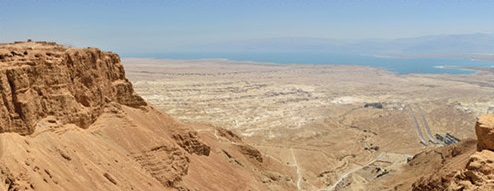
The Murashu Texts and the Elephantine Papyri
Two collections of valuable documents illuminate the lives of Jews living in the Diaspora (the dispersion) during the Persian era: the Murashu cuneiform texts from Mesopotamia and the Elephantine papyri from Egypt.
Murashu and Sons were wealthy bankers and brokers who loaned almost everything at a price. About 700 of the cuneiform texts from their archives, which span the period from 454 to 404 bc, have now been published. In documents like these, theophoric names with various forms of the name Yahweh (Yah, Yeho, Yahu, Ya, Yama) may be recognized as Jewish. Among 2,500 individuals mentioned in the texts, about 70 (approximately 3 percent) are likely Jews. Jews were found in 28 of 200 settlements in the region around Nippur in southern Mesopotamia.
Aramaic papyri from a Jewish military garrison serving the Persians, on the island of Elephantine near Aswan, shed valuable light on a Jewish community in Egypt from 495 to 398 bc. About 40 of the 95 Jewish names from Elephantine contain some form of the name Yahweh. The letters reveal that Egyptians had destroyed the Jewish temple in their area. The papyri reveal the incidence of mixed marriages, which led to syncretistic (mixed) religious practices. One papyrus names the sons of Sanballat, thus confirming that Nehemiah’s opponent was indeed the governor of Samaria.
Adapted from Zondervan Illustrated Bible Backgrounds Commentary: OT: Vol. 3 by John H. Walton. Nehemiah—Copyright © 2009 by Edwin M. Yamauchi, p. 454. Used by permission of Zondervan.
Go to the Articles Index.
 1:2 Hanani. Probably a shortened form of Hananiah, which means “The LORD is gracious.” one of my brothers. See 7:2. The Elephantine papyri (see chart; see also article) mention a Hananiah who was the head of Jewish affairs in Jerusalem. Many believe that he is to be identified with Nehemiah’s brother and that he may have governed between Nehemiah’s first and second terms. Jewish remnant. See Ezr 9:8 and notes on Ge 45:7; 2Ki 19:30–31; Isa 1:9; 10:20–22; Zec 8:23.
1:3 province. See note on Ezr 2:1. wall of Jerusalem is broken down. The lack of a city wall meant that the people were defenseless against their enemies. Thucydides (1.89) describes the comparable condition of Athens after its devastation by the Persians in 480–479 bc. Excavations at Jerusalem during 1961–67 revealed that the lack of a wall on the eastern slopes also meant the disintegration of the terraces there. When Nebuchadnezzar assaulted Jerusalem in 586, he battered and broke down the walls around it (2Ki 25:10). The Jews had attempted to rebuild the walls earlier in the reign of Artaxerxes I, but after the protest of Rehum and Shimshai ordered the Jews to desist. See note on Ezr 4:21–23.
1:4 sat down. Cf. Ezr 9:3; Job 2:13. wept. See 8:9; Ezr 3:13 and note; 10:1; Est 8:3. mourned. See Ezr 10:6; Da 10:2. fasted and prayed. See note on Ezr 8:23. During the exile, fasts commemorated the fall of Jerusalem and the murder of Gedaliah (see note on Zec 8:19; see also Est 4:16; Da 9:3; 10:3; Zec 7:3–7). God of heaven. See note on Ezr 1:2.
1:5 who keeps his covenant of love. Nehemiah begins his prayer by invoking God’s faithfulness. See 9:32; see also Dt 7:9,12 and note. who love him and keep his commandments. See Da 9:4; Ex 20:6 and note.
 1:6 praying before you day and night. Cf. Ps 42:3; 88:1; Jer 9:1; 14:17; La 2:18; Lk 2:37; 1Th 3:10; 1Ti 5:5; 2Ti 1:3. sins . . . myself and my father’s family. Nehemiah does not exclude himself or members of his own family in his confession of sins. A true sense of the awesome holiness of God reveals the depths of our own sinfulness (Isa 6:1–5; Lk 5:8).
1:7 commands, decrees and laws. See note on Ge 26:5. laws you gave . . . Moses. For the prominence of the Mosaic law in Ezra and Nehemiah, see Ezr 3:2; 6:18; 7:6; Ne 1:8; 8:1,14; 9:14; 10:29; 13:1.
1:8 Remember. See notes on 13:31; Ge 8:1; a key word in the book (4:14; 5:19; 6:14; 13:14,22,29,31). unfaithful . . . scatter. Dispersion was the inescapable consequence of the people’s unfaithfulness (Dt 28:63–67). By the NT period there were still more Jews in the Diaspora (dispersion) than in the Holy Land.
1:9 I will gather them. See Dt 30:1–5; a frequent promise, especially in the Prophets (e.g., Isa 11:12; Jer 23:3; 31:8–10; Eze 20:34, 41; 36:24; Mic 2:12). chosen as a dwelling for my Name. See Dt 12:5 and note; Ps 132:13.
1:10 your people . . . you redeemed. Although they had sinned and failed, they were still God’s people by virtue of his redeeming them (Dt 4:34; 9:29).
 1:11 Give your servant success today. Cf. Ge 24:12. cupbearer. According to the Greek historian Xenophon (Cyropaedia, 1.3.9), one of the cupbearer’s duties was to choose and taste the king’s wine to make certain that it was not poisoned (2:1). Thus Nehemiah had to be a man who enjoyed the unreserved confidence of the king. The need for trustworthy court attendants is underscored by the intrigues that characterized the Achaemenid court of Persia. Xerxes, the father of Artaxerxes I, was killed in his own bedchamber by a courtier.
2:1 Nisan . . . twentieth year. March-April, 444 bc (see chart). King Artaxerxes. See chart. sad in his presence. No matter what one’s personal problems were, the king’s servants were expected to keep their feelings to themselves and to display a cheerful disposition before him.
Jerusalem of the Returning Exiles
After 458 bc
A smaller city was rebuilt, with new walls higher on the eastern hill. Temple worship was restored in a rebuilt temple on the former site. Rebuilding on the western hill did not occur until later.
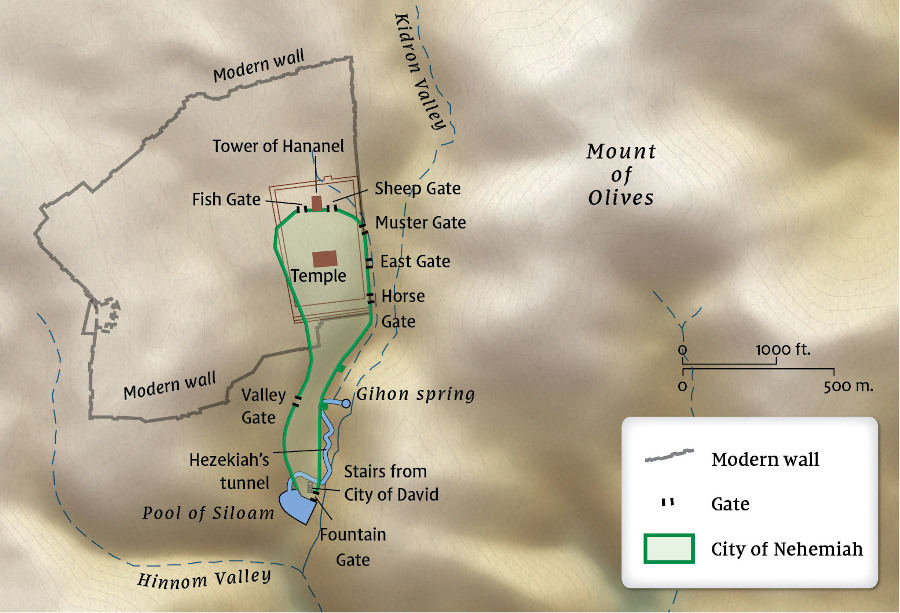
Go to the Maps Index.
2:3 May the king live forever! A common form of address to kings (cf. note on Ps 62:4). city. Nehemiah does not mention Jerusalem by name (v. 5); he may have wished to arouse the king’s sympathy by stressing first the desecration of ancestral tombs.
2:4 prayed. Before turning to answer the king, Nehemiah utters a brief, spontaneous prayer to God. One of Nehemiah’s striking characteristics is his frequent recourse to prayer (1:4; 4:4,9; 5:19; 6:9,14; 13:14,22,29,31).
2:6 queen. Ctesias, a Greek who lived at the Achaemenid court, informs us that the name of Artaxerxes’ queen was Damaspia and that he had at least three concubines. Like Esther (Est 5), Damaspia may have used her influence with the king. The Achaemenid court was famous for the great influence exercised by the royal women. Especially influential was Amestris, the cruel wife of Xerxes and mother of Artaxerxes I. How long will your journey take . . . ? Nehemiah probably asked for a brief leave of absence, which he then had extended. We can infer from 5:14 that he spent 12 years on his first term as governor of Judah. In the 32nd year of Artaxerxes, Nehemiah returned to report to the king and then came back to Judah for a second term (13:6–7). See photo.
2:7 letters . . . provide me safe-conduct. A contemporary document from Arsames, the satrap of Egypt who was at the Persian court, to one of his officers who was returning to Egypt orders Persian officials to provide him with food and drink on the stages of his journey. Trans-Euphrates. See note on Ezr 4:10.
2:8 park. The Hebrew for this word is pardes, a loanword from Old Persian meaning “enclosure,” a pleasant retreat. The word occurs elsewhere in the OT only in Ecc 2:5 (“parks”) and SS 4:13 (“orchard”). citadel. Probably refers to the fortress north of the temple, the forerunner of the Antonia fortress built by Herod the Great (Josephus, Antiquities, 15.11.4; see Ac 21:34, 37; 22:24).
2:9 army officers and cavalry. In striking contrast to Ezra (see note on Ezr 8:22), Nehemiah was accompanied by an armed escort since he was officially Judah’s governor.
2:10 Sanballat. A Babylonian name, meaning “Sin (the moon-god) has given life.” Horonite. Identifies him as coming from (1) Hauran (Eze 47:16,18), east of the Sea of Galilee; (2) Horonaim, in Moab (Jer 48:34); or, most probably, (3) either Upper or Lower Beth Horon, two key cities about 11 miles northwest of Jerusalem, which guarded the main road to Jerusalem (Jos 10:10; 16:3,5; 1 Maccabees 3:16; 7:39; see map). Sanballat was the chief political opponent of Nehemiah (v. 19; 4:1,7; 6:1–2,5,12,14; 13:28). He held the position of governor over Samaria (cf. 4:1–2). An Elephantine papyrus letter of the late fifth century bc to Bagohi (Bigvai), governor of Judah, refers to “Delaiah and Shelemiah, the sons of Sanballat, governor of Samaria.” In 1962 a fourth-century bc papyrus listing the name Sanballat, probably a descendant of Nehemiah’s contemporary, was found in a cave north of Jericho. Tobiah. Means “The LORD is good.” He may have been a worshiper of the Lord (Yahweh), as indicated not only by his name but also by that of his son Jehohanan (6:17–18), meaning “The LORD is gracious.” Jehohanan was married to the daughter of Meshullam, son of Berekiah, the leader of one of the groups repairing the wall (3:4,30; 6:18). Tobiah also had a close relationship with Eliashib the priest (13:4–7). Ammonite. See Ezr 9:1; see also note on Ge 19:36–38. Tobiah was probably governor of Transjordan under the Persians. In later generations a prominent family bearing the name of Tobiah was sometimes associated with the region of Ammon in non-biblical texts. very much disturbed. The reasons for the opposition of Sanballat and Tobiah were not primarily religious but political. The authority of the Samaritan governor in particular was threatened by Nehemiah’s arrival.
2:11 three days. See note on Ezr 8:32.
2:12 Nehemiah was cautious and discreet as he inspected the city’s fortifications. one I was riding on. Probably a mule or donkey.
2:13 Nehemiah did not make a complete circuit of the walls but only of the southern area (see map). Jerusalem was always attacked from the north because it was most vulnerable there, so the walls had probably been completely destroyed in that part of the city. Valley Gate. See 3:13. According to 2Ch 26:9 Uzziah fortified towers in the west wall, which overlooked the central valley between the Hinnom and Kidron Valleys. Excavations in 1927–28 uncovered the remains of a gate from the Persian period, which has been identified as the Valley Gate. Jackal Well. Many interpreters suggest that this was En Rogel (Jos 15:7–8; 18:16; 2Sa 17:17; 1Ki 1:9), a well situated at the junction of the Hinnom and Kidron Valleys, 250 yards south of the southeast ridge of Jerusalem (see map). Others suggest that it was the Pool of Siloam (see map). Dung Gate. Perhaps the gate leading to the rubbish dump in the Hinnom Valley (cf. 3:13–14; 12:31; 2Ki 23:10). It was situated about 500 yards south of the Valley Gate (3:13).
2:14 Fountain Gate. Possibly in the southeast wall facing toward En Rogel (3:15; 12:37). King’s Pool. Hezekiah may have diverted the overflow from his Siloam tunnel (cf. 2Ki 20:20; 2Ch 32:30) to irrigate the royal gardens (2Ki 25:4) located outside the city walls at the junction of the Kidron and Hinnom Valleys. The King’s Pool was probably therefore the Pool of Siloam (3:15) or the adjacent Birket el-Hamra. not enough room. Possibly because of the collapse of the supporting terraces (cf. 2Sa 5:9; 1Ki 9:15,24) on the east side of the city.
2:15 valley. The Kidron.
2:17 ruins. The condition of the walls and gates of the city since their destruction by Nebuchadnezzar in 586 bc, in spite of abortive attempts to rebuild them. The leaders and people had evidently become reconciled to this sad state of affairs. It took an outsider to assess the situation and to rally them to renewed efforts.
2:18 my God . . . and . . . the king. Nehemiah could personally attest that God was alive and active in his behalf and that he (Nehemiah) had come with royal sanction and authority.
2:19 Sanballat . . . Tobiah. See note on v. 10. Geshem. Inscriptions from Dedan in northwest Arabia and from Tell el-Maskhutah near Ismailia in Egypt bear the name Geshem, who may have been in charge of a north Arabian confederacy that controlled vast areas from northeast Egypt to northern Arabia, including the southern part of the Holy Land. Geshem may have been opposed to Nehemiah’s development of an independent kingdom because he feared that it might interfere with his lucrative spice trade. Arab. See 2Ch 9:14; Isa 21:13; Jer 25:24. Arabs became dominant in Transjordan from the Assyrian to the Persian periods. Sargon II of Assyria resettled some Arabs in Samaria in 715 bc. Early Greek and Roman sources reveal that the Arabs enjoyed a favored status under the Persians.
3:1–32 One of the most important chapters in the OT for determining the topography of Jerusalem (see maps here and here). The narrative begins at the Sheep Gate (northeast corner of the city) and proceeds in a counterclockwise direction around the wall. About 40 key men are named as participants in the reconstruction of about 45 sections. The towns listed as the homes of the builders may have represented the administrative centers of the province of Judah. Ten gates are named: (1) Sheep Gate (v. 1), (2) Fish Gate (v. 3), (3) Jeshanah Gate (v. 6), (4) Valley Gate (v. 13), (5) Dung Gate (v. 14), (6) Fountain Gate (v. 15), (7) Water Gate (v. 26), (8) Horse Gate (v. 28), (9) East Gate (v. 29), (10) Inspection Gate (v. 31). The account suggests that most of the rebuilding was concerned with the gates, where the enemy’s assaults were always concentrated. Not all the sections of the walls or buildings in Jerusalem were in the same state of disrepair. A selective policy of destruction seems to be indicated by 2Ki 25:9.
3:1 Eliashib the high priest. It was fitting that the high priest should set the example. Among the ancient Sumerians the king himself would carry bricks for the building of a temple. Sheep Gate. See v. 32; 12:39. It was known in NT times (Jn 5:2) as located near the Bethesda Pool (in the northeast corner of Jerusalem). The Sheep Gate may have replaced the earlier Benjamin Gate (Jer 37:13; 38:7; Zec 14:10). Tower of the Hundred. See 12:39. “Hundred” may refer to (1) its height (100 cubits), (2) the number of its steps or (3) a military unit (cf. Dt 1:15). Tower of Hananel. The towers were associated with the “citadel by the temple” (2:8) in protecting the vulnerable northern approaches to the city.
3:3 Fish Gate. See 12:39. During the days of the first temple, it was one of Jerusalem’s main entrances (2Ch 33:14; Zep 1:10). Merchants brought fish from either Tyre or the Sea of Galilee to the fish market (13:16) through this entrance, which was located in the north wall of the city (see note on Zep 1:10).
3:4 Meremoth. See note on Ezr 8:33. Meshullam. Repaired a second section (v. 30). Nehemiah complained that Meshullam had given his daughter in marriage to a son of Tobiah (see 6:17–18 and note on 2:10).
3:5 Tekoa. A small town about 6 miles south of Bethlehem and 11 miles from Jerusalem. It was the hometown of the prophet Amos. nobles. These aristocrats disdained manual labor.
3:6 Jeshanah Gate. In the northwest corner. It may be another name for the Gate of Ephraim (see 12:39), which otherwise is not mentioned in ch. 3.
3:8 goldsmiths. See vv. 31–32. perfume-makers. See 1Sa 8:13. Broad Wall. See 12:38. In 1970–71 archaeological excavations in Jerusalem uncovered such a wall west of the temple area (see photo). It is dated to the early seventh century bc and was probably built by Hezekiah (2Ch 32:5). The expansion to and beyond the Broad Wall may have become necessary because of the influx of refugees fleeing from the fall of Samaria in 722–721.
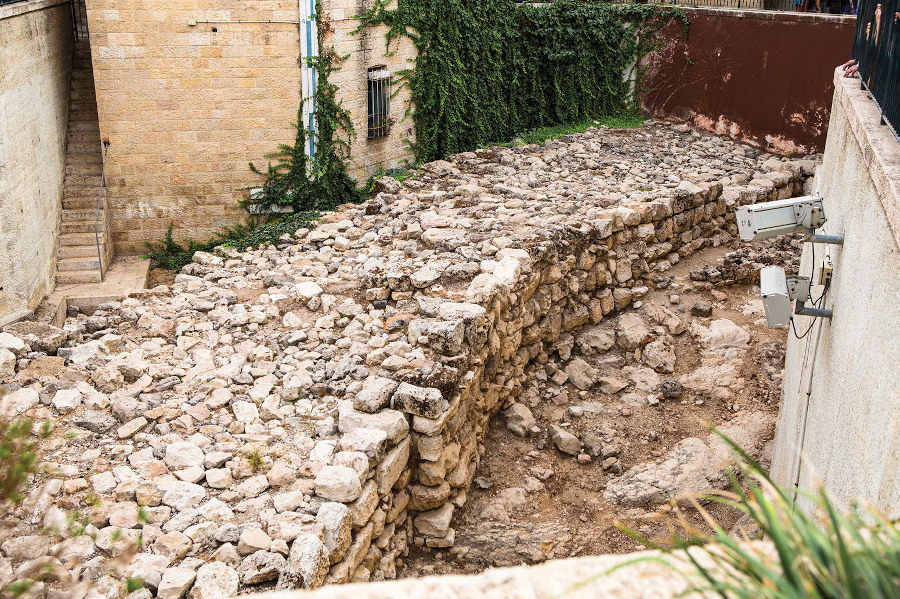
A seven-meter wall in Jerusalem known as the Broad Wall. In the 1970s, Israeli archaeologist Nahman Avigad discovered and dated the Broad Wall to the time of Hezekiah (Ne 3:8).
© 2018 by Zondervan
Return to the main text.
3:10 Jedaiah . . . made repairs opposite his house. See vv. 23,28–30. It made sense to have him and others repair the sections of the wall nearest their homes.
3:11 Tower of the Ovens. It was on the western wall, perhaps in the same location as one built by Uzziah (2Ch 26:9). The ovens may have been those situated in the “street of the bakers” (Jer 37:21).
3:12 daughters. A unique OT reference to women working on the wall, although the Chronicler refers to Sheerah, who built three cities (1Ch 7:24). When the Athenians attempted to rebuild their walls after the Persians had destroyed them, it was decreed that “the whole population of the city—men, women and children—should take part in the wall-building” (Thucydides, 1.90.3).
3:13 Valley Gate. See note on 2:13. a thousand cubits. An extraordinary length (see NIV text note); probably most of the section was relatively intact. Dung Gate. See note on 2:13.
3:14 Beth Hakkerem. Means “house of the vineyard.” It was a fire-signal point (Jer 6:1) and is identified with Ramat Rahel, two miles south of Jerusalem. It may have been the residence of a district governor in the Persian period.
3:15 Fountain Gate. See note on 2:14. Pool of Siloam. See NIV text note; perhaps the Lower Pool of Isa 22:9 (see note on Isa 8:6). King’s Garden. See note on 2:14. City of David. See 12:37; see also 2Sa 5:7 and note.
3:16 Beth Zur. A district capital, 13 miles south of Jerusalem. Excavations in 1931 and 1957 revealed that occupation was sparse during the early Persian period but was resumed in the fifth century bc. tombs of David. Cf. 2:5. David was buried in the city area (1Ki 2:10; 2Ch 21:20; 32:33; Ac 2:29). The so-called Tomb of David on Mount Zion, venerated today by Jewish pilgrims, is in the Coenaculum building, erected in the fourteenth century ad. Such a site for David’s tomb is mentioned no earlier than the ninth century ad. House of the Heroes. May have been the house of David’s mighty warriors (see 2Sa 23:8–39), which perhaps served later as the barracks or armory.
3:17–18 Keilah. Located about 15 miles southwest of Jerusalem, it played an important role in David’s early history (1Sa 23:1–13).
3:19 armory. See note on v. 16. angle. See 2Ch 26:9.
3:20–21 The residences of the high priest and his fellow priests were located inside the city along the eastern wall.
3:25 upper palace. Perhaps the old palace of David (see 12:37). Like Solomon’s palace, it would have had a guardhouse (Jer 32:2).
3:26 Ophel. See v. 27. The word means “swelling” or “bulge,” hence a (fortified) “hill” (as in Mic 4:8; see NIV text note there), specifically the northern part of the southeastern hill of Jerusalem, which formed the original City of David, just south of the temple area (2Ch 27:3). Water Gate. So called because it led to the main source of Jerusalem’s water, the Gihon spring. It must have opened onto a large area, for the reading of the Law took place there (8:1,3,16; 12:37). projecting tower. Perhaps the large tower whose ruins were discovered by archaeologists on the crest of the Ophel hill in 1923–25. Excavations at the base of the tower in 1978 revealed a level dating to the Persian era.
3:27 men of Tekoa. The common people of Tekoa did double duty, whereas the nobles of Tekoa shirked their responsibility (see note on v. 5).
3:28 Horse Gate. Where Athaliah was slain (2Ch 23:15). It may have been the easternmost point in the city wall—a gate through which one could reach the Kidron Valley (Jer 31:40).
3:29 East Gate. May have been the predecessor of the present Golden Gate (see note on Eze 44:2).
3:31 goldsmiths. See v. 8. Inspection Gate. In the northern part of the eastern wall.
3:32 Sheep Gate. Back to the point of departure (see v. 1).
4:1 Jews. See note on Zec 8:23.
4:2 he said. Disputes between rival Persian governors were frequent. Sanballat asked several derisive questions to taunt the Jews and to discourage them in their efforts. burned. Fire had damaged the stones, which were probably limestone, and had caused many of them to crack and crumble.
4:4–5 As in the so-called imprecatory psalms (see note on Ps 5:10; see also article), Nehemiah does not himself take action against his opponents but calls down on them redress from God. In v. 5 Nehemiah’s prayer echoes the language of Jer 18:23.
4:7 Ashdod. See note on Isa 20:1. It became a district capital under Persian rule.
4:9 prayed . . . posted a guard. Prayer and watchfulness blend faith and action and also emphasize both the divine side and the human side (see notes on Jas 2:14–26).
4:10 giving out. The picture is of workers staggering under the weight of their load and ready to fall at any step.
4:11 our enemies said. Either Nehemiah had friendly informants, or the enemy was spreading unsettling rumors.
4:12 ten times over. Many times.
4:13 lowest points . . . exposed places. Nehemiah posted men conspicuously in the areas that were the most vulnerable along the wall.
4:14 Don’t be afraid of them. Remember the Lord. See note on 1:8. The best way to dispel fear is to remember the Lord and trust in him who alone is to be feared (see Dt 3:22; 20:3; 31:6; Ps 56:3–4).
4:16 shields. Made primarily of wood or wickerwork and therefore combustible (Eze 39:9). armor. The Hebrew for this word designated primarily a breastplate of metal or a coat of mail (2Ch 18:33).
4:17 work with one hand . . . weapon in the other. Means either that the workers carried their materials with one hand and their weapons with the other or simply that the weapons were kept close at hand.
4:18 trumpet. See note on Isa 18:3; see also Jos 6:4, 6,8,13.
4:20 Our God will fight for us! See Jos 5:13–15 and notes; 10:14,42; Jdg 4:14; 20:35; 2Sa 5:24; see also article.
4:21 till the stars came out. Indicates the earnestness of their efforts, since the usual time to stop working was at sunset (Dt 24:15; Mt 20:8).
4:22 guards by night. Even men from outside Jerusalem stayed in the city at night so that some of them could serve as sentries.
4:23 See NIV text note. Although the precise meaning of the end of the verse is not clear, the implication is that constant preparedness was the rule. According to Josephus (Antiquities, 11.5.8), Nehemiah “himself made the rounds of the city by night, never tiring either through work or lack of food and sleep, neither of which he took for pleasure but as a necessity.”
5:1–19 During his major effort to rebuild the walls of Jerusalem, Nehemiah confronted a socioeconomic crisis that had deep moral implications. Among the classes affected by the crisis were (1) the landless, who were short of food (v. 2); (2) the landowners, who were compelled to mortgage their properties (v. 3); and (3) those forced to borrow money at exorbitant interest rates and sell their children into slavery (vv. 4–5).
5:1 wives. The situation was so serious that the wives joined in the protest as they ran short of funds and supplies to feed their families. They complained not against the foreign authorities but against their own countrymen who were taking advantage of their poorer neighbors at a time when all were needed for the defense of the country.
5:2 grain. About six to seven bushels would be needed for a man to feed his family for a month.
5:3 mortgaging. Even those who had property were forced to mortgage it, benefiting the wealthy few (cf. Isa 5:8). In times of economic stress the rich got richer and the poor got poorer. famine. The economic situation was aggravated by the natural conditions that had produced a famine. Some 75 years earlier the prophet Haggai had referred to a time of drought, when food was insufficient (Hag 1:5–11). Such times of distress were considered to be expressions of God’s judgment (Isa 51:19; Jer 14:13–18; Am 4:6). Famines were common in Canaan. They occurred in the times of Abraham (Ge 12:10), Isaac (Ge 26:1), Joseph (Ge 41:27,54), Ruth (Ru 1:1), David (2Sa 21:1), Elijah (1Ki 18:2), Elisha (2Ki 4:38) and Claudius (Ac 11:28).
5:4 tax. It is estimated that the Persian king collected the equivalent of 20 million darics (see NIV text note on Ezr 8:27) a year in taxes. Little was ever returned to benefit the provinces, because most of it was melted down and stored as bullion. Alexander the Great found at Susa alone 9,000 talents (about 340 tons) of coined gold and 40,000 talents (about 1,500 tons) of silver stored as bullion. As coined money was increasingly taken out of circulation by taxes, poverty increased dramatically. The acquisition of land by the Persians and its removal from production also contributed to produce a 50 percent rise in prices during the Persian period.
5:5 slavery. In times of economic distress families would borrow funds, using family members as collateral. If a man could not repay the loan and its interest, his children, his wife, or even the man himself could be sold into bondage. An Israelite who fell into debt, however, would serve his creditor as a “hired worker” (Lev 25:39–40). He was to be released in the seventh year (Dt 15:12–18), unless he chose to stay voluntarily. During the seven-year famine in Egypt, Joseph was approached by people who asked him to accept their land and their bodies in exchange for food (Ge 47:18–19). The irony for the Israelites was that at least as exiles in Mesopotamia their families were together, but now, because of dire economic necessity, their children were being sold into slavery.
5:6 I was very angry. Sometimes it becomes necessary to express righteous indignation against social injustice (cf. Mk 11:15–18; Eph 4:26).
5:7 interest. See notes on Ex 22:25–27; Lev 25:36; Dt 23:20. Josephus (Antiquities, 4.8.25) explains: “Let it not be permitted to lend upon usury to any Hebrew either meat or drink; for it is not just to draw a revenue from the misfortunes of a fellow countryman.”
5:8 fellow Jews who were sold. Impoverished fellow Jews could be hired as servants, but they were not to be sold as slaves (Lev 25:39–42). to the Gentiles. The sale of fellow Hebrews as slaves to foreigners was forbidden (Ex 21:8). kept quiet. Their guilt was so obvious that they had no rebuttal or excuse (cf. Jn 8:7–10).
5:9 not right. Failure to treat others, especially fellow believers, with compassion is an insult to our Maker and a blot on our testimony (cf. Pr 14:31; 1Pe 2:12–15).
5:10 let us stop charging interest! The OT condemns the greed that seeks to profit from the misfortune of others (Ps 119:36; Isa 56:9–12; 57:17; Jer 6:13; 8:10; 22:13–17; Eze 22:12–13; 33:31). In view of the economic crisis facing his people, Nehemiah urges the creditors to relinquish their rights to repayment with interest.
5:11 one percent. Perhaps one percent per month, an annual interest rate of 12 percent. grain, new wine and olive oil. See notes on 10:37; Dt 7:13.
5:13 shook out the folds of my robe. Symbolizing the solemnity of an oath and reinforcing the attendant curses for its nonfulfillment. Amen. See 8:6; Nu 5:22; see also note on Dt 27:15.
5:14 thirty-second year. From Apr. 1, 433 bc, to Apr. 19, 432. Nehemiah served his first term as governor for 12 years before being recalled to court (13:6), after which he returned to Jerusalem (13:7) for a second term whose length cannot be determined. food allotted to the governor. See v. 18. Provincial governors normally assessed the people in their provinces for their support. But Nehemiah, like Paul (1Co 9; 2Th 3:8–9), sacrificed even what was normally his in order to serve as an example to the people.
5:15 governors. The Hebrew for this word is used of Sheshbazzar (Ezr 5:14) and Zerubbabel (Hag 1:1, 14; 2:2), as well as of various Persian officials (Ezr 5:3, 6; 6:6–7,13; 8:36; Ne 2:7, 9; 3:7). Nehemiah was not referring here to men of the caliber of Zerubbabel. Some believe that Judah did not have governors before Nehemiah and that the reference here is to governors of Samaria. But archaeological evidence, in the form of seals and seal impressions, confirms the reference to the previous governors of Judah. heavy burden. It was customary Persian practice to exempt temple personnel from taxation, which increased the burden on lay people. assistants. If the governors themselves used extortion, their underlings often proved even more oppressive (cf. Mt 18:21–35; 20:25–28). reverence for God. Those in high positions are in danger of abusing their authority over their subordinates if they forget that they themselves are servants of a superior “Master in heaven” (Col 4:1; cf. Ge 39:9; 2Co 5:11).
5:16 did not acquire any land. Nehemiah’s behavior as governor was guided by principles of service rather than by opportunism.
5:17 ate at my table. As part of his social responsibility, a ruler or governor was expected to entertain lavishly. A text found at Nimrud has Ashurnasirpal II feeding 69,574 guests at a banquet for ten days. When Solomon dedicated the temple, he sacrificed 22,000 cattle and 120,000 sheep and goats and held a great festival for the assembly for 14 days (1Ki 8:62–65). We are not told how many he fed (cf. 1Ki 4:27).
5:18 Each day. The meat listed here would provide one meal for 600–800 persons, including the 150 Jews and officials of v. 17. Cf. Solomon’s provisions for one day (1Ki 4:22–23). choice sheep. Cf. Mal 1:8. poultry. Chickens were domesticated in the Indus River Valley by 2000 bc and were brought to Egypt by the time of Thutmose III (fifteenth century bc). They were known in Mesopotamia and in Greece by the eighth century. The earliest inscriptional evidence of poultry in the land of Canaan is the seal of Jaazaniah (dated c. 600 bc), which depicts a fighting rooster (see photo below).
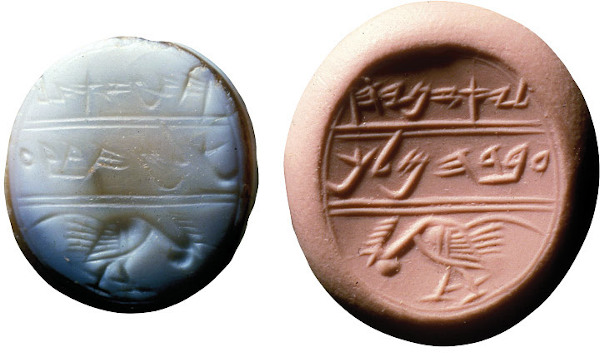
Agate stone seal with the earliest inscriptional evidence of poultry in the land of Canaan, dated c. 600 bc (Ne 5:18). The inscription reads “Jaazaniah the king’s slave.”
Z. Radovan/www.BibleLandPictures.com
Return to the main text.
5:19 Remember me. See note on 1:8; cf. Heb 6:10. A striking parallel to Nehemiah’s prayer is found in a prayer of Nebuchadnezzar: “O Marduk, my lord, do remember my deeds favorably as good [deeds]; may (these) my good deeds be always before your mind.”
6:1 Sanballat, Tobiah, Geshem. See notes on 2:10,19.
6:2 Ono. Located about seven miles southeast of Joppa near Lod (modern Lydda), in the westernmost area settled by the returning Jews (Ne 7:37; 11:35). It may have been proposed as neutral territory, but Nehemiah recognized the invitation as a trap (cf. Ge 4:8; Jer 41:1–3).
6:3 Nehemiah’s sharp reply may seem like a haughty response to a reasonable invitation, but he correctly discerned the insincerity of his enemies. He refused to be distracted by matters that would divert his energies from rebuilding Jerusalem’s wall.
6:4 Four times. Nehemiah’s foes were persistent, but he was equally persistent in resisting them.
6:5 unsealed letter. During this period a letter was ordinarily written on a papyrus or leather sheet, which was rolled up, tied with a string and sealed with a clay bulla (seal impression) to guarantee the letter’s authenticity. Sanballat apparently wanted the contents of his letter to be made known to the public at large.
6:6 their king. Persian kings did not tolerate the claims of pretenders to kingship, as can be seen from the Behistun (Bisitun) inscription of Darius I. In NT times the Roman emperor was likewise suspicious of any unauthorized claims to royalty (Jn 19:12; cf. Mt 2:1–13).
6:8 Nehemiah does not mince words. He calls the report a lie. He may have sent his own messenger to the Persian king to assure him of his loyalty.
6:9 hands will get . . . weak. Figurative language to express the idea of discouragement. The Hebrew for this phrase is used also in Ezr 4:4; Jer 38:4, as well as on an ostracon from Lachish dated c. 588 bc (see photo).
6:10 Shemaiah . . . was shut in. Perhaps as a symbolic action to indicate that his own life was in danger and to suggest that both Nehemiah and he must flee to the temple (for other symbolic actions, see 1Ki 22:11; Isa 20:2–4; Jer 27:2–7; 28:10–11; Eze 4:1–17; 12:3–11; Ac 21:11). Since Shemaiah had access to the temple, he may have been a priest. He was clearly a friend of Tobiah (cf. v. 12) and therefore Nehemiah’s enemy. It was at least credible for Shemaiah to propose that Nehemiah take refuge in the temple area at the altar of asylum (see Ex 21:13–14 and notes), but not in the “house of God,” the temple building itself.
6:11 Even if the threat against his life was real, Nehemiah was not a coward who would run into hiding. Nor would he transgress the law to save his life. As a layman, he was not permitted to enter the sanctuary (Nu 18:7). When King Uzziah entered the temple to burn incense, he was punished by being afflicted with leprosy (2Ch 26:16–21).
6:12 The fact that Shemaiah proposed a course of action contrary to God’s word revealed him as a false prophet (cf. Dt 18:20; Isa 8:19–20; see note on Dt 13:1–5).
6:13 If Nehemiah had wavered in the face of the threat against him, his leadership would have been discredited and morale among the people would have plummeted.
6:14 Remember. See note on 1:8. prophet. See note on Ex 15:20.
6:15 twenty-fifth of Elul. Oct. 2, 444 bc. fifty-two days. The walls that lay in ruins for nearly a century and a half were rebuilt in less than two months once the people were galvanized into action by Nehemiah’s leadership. Archaeological investigations have shown that the perimeter of the wall in Nehemiah’s day was much reduced. Josephus states (Antiquities, 11.5.8) that the rebuilding of the wall took two years and four months, but he is doubtless including such additional tasks as further strengthening of various sections, embellishing and beautifying, and the like. The dedication of the wall is described in 12:27–47.
6:17–18 Tobiah was related to an influential family in Judah, since his son Jehohanan was married to the daughter of Meshullam, who had helped repair the wall of Jerusalem (3:4,30).
7:2 in charge of Jerusalem. Over Rephaiah and Shallum, who were over sections of the city (3:9,12). Hanani. See note on 1:2. citadel. See notes on 2:8; 3:1.
7:3 until the sun is hot. Normally the gates would be opened at dawn, but their opening was to be delayed until the sun was high in the heavens to prevent the enemy from making a surprise attack before most of the people were up.
7:6–73 Essentially the same as Ezr 2. See notes there for the nature of the list and the reasons for the numerous variations in names and numbers between the two lists.
7:43 74. See note on Ezr 2:40.
7:57,60 descendants of the servants of Solomon. See note on Ezr 2:55,58.
7:70 darics. See note on Ezr 2:69.
7:73 settled in their own towns. See note on Ezr 2:70. seventh month. October-November, 444 bc.
8:1–18 The reading from “the Book of the Law of Moses” by Ezra is the first reference to Ezra in almost 13 years since his arrival in 458 bc.
8:1 all the people came together. See Ezr 3:1, which also refers to an assembly called in the seventh month (Tishri), the beginning of the civil year (see chart). square before the Water Gate. See vv. 3,16; see also notes on 3:26; Ezr 10:9. Squares were normally located near a city gate (2Ch 32:6). teacher of the Law. See note on Ezr 7:6. Book of the Law of Moses. Cf. vv. 2–3,5,8–9, 13–15,18. Several views have been proposed concerning the extent of this Book: (1) the laws of Exodus and Leviticus, (2) the laws of Deuteronomy, (3) the entire Pentateuch. See notes on Jos 1:8; 2Ki 22:8.
8:2 first day of the seventh month. Oct. 8, 444 bc; the New Year’s Day of the civil calendar (see note on Lev 23:24), celebrated as the Festival of Trumpets (Nu 29:1–6), with cessation of labor and a sacred assembly. women. See 10:28. Women, together with children, are specifically mentioned as present on such solemn occasions (Dt 31:12; Jos 8:35; 2Ki 23:2).
8:3 read it aloud. See Ex 24:7; Ac 8:30 and note; 1Ti 4:13; Rev 1:3. from daybreak till noon. The people evidently stood (vv. 5,7) for five or six hours, listening attentively to the reading and explanation (vv. 7–8,12) of the Scriptures.
8:5 book. Scroll (see note on Ex 17:14). people all stood up. The rabbis deduced from this verse that the congregation should stand for the reading of the Torah. It is customary in Eastern Orthodox churches for the congregation to stand throughout the service.
8:6 lifted their hands. See Ex 9:29 and note; Ps 28:2; 134:2; 1Ti 2:8. Amen! Amen! See notes on Dt 27:15; Ro 1:25. The repetition conveys the intensity of feeling behind the affirmation (for other repetitions see Ge 22:11 and note; cf. 2Ki 11:14; Lk 23:21). worshiped. In its original sense the Hebrew for this verb meant “to prostrate oneself,” as the frequently accompanying phrase “to the ground” indicates. In 2Ch 20:18 Jehoshaphat and the people “fell down in worship before the LORD” when they heard his promise of victory.
8:7 instructed. See v. 8; Ezr 7:6,10 and note on 7:6.
8:8 read. See note on v. 3. making it clear. Rabbinic tradition understands the Hebrew for this expression as referring to translation from Hebrew into an Aramaic Targum (see NIV text note). But there is no evidence of Targums (free Aramaic translations of OT books or passages) from such an early date. The earliest extensive Targum is one on Job dated c. 150–100 bc (from Qumran). Targums exist for every book of the OT except Daniel and Ezra-Nehemiah. understood. See v. 12.
8:9 Nehemiah . . . Ezra. An explicit reference showing that they were contemporaries (12:26,36). Do not mourn. See Ezr 10:6 and note; Est 9:22; Isa 57:18–19; Jer 31:13. weep. See 1:4; Ezr 3:13 and note; 10:1. weeping as they listened. Out of remorse for their own failures and those of their ancestors.
8:10 choice food. Delicious, festive food prepared with much fat. The fat of sacrificial animals was offered to God as the tastiest element of the burnt offering (Lev 1:8,12), the fellowship offering (Lev 3:9–10), the sin offering (Lev 4:8–10) and the guilt offering (Lev 7:3–4; see chart). The fat was not to be eaten in these cases. send some to those who have nothing. It was customary for God’s people to remember the less fortunate on joyous occasions (2Sa 6:19; Est 9:22; contrast 1Co 11:20–22; Jas 2:14–16).
8:14 temporary shelters. See notes on Ex 23:16; Lev 23:34, 42; Jn 7:37.
8:15 myrtles. Evergreen bushes with a pleasing scent (Isa 41:19; 55:13; Zec 1:8,10–11). palms. The date palm was common around Jericho (Dt 34:3; 2Ch 28:15). shade trees. Cf. Eze 6:13; 20:28. Later Jewish celebrations of the Festival of Tabernacles include waving the lulav (made of branches of palms, myrtles and willows) with the right hand and holding branches of the ethrog (a citrus native to Canaan) in the left.
8:16 courts of the house of God. See note on 13:7. The temple that Ezekiel saw in his visions had an outer and an inner court (see model and article). Ezekiel’s temple was to some extent patterned after Solomon’s, which had an inner court of priests and an outer court (1Ki 6:36; 7:12; 2Ki 21:5; 23:12; 2Ch 4:9; 33:5). The temple of the NT era had a court of the Gentiles and an inner court, which was subdivided into courts of the women, of Israel and of the priests. The Temple Scroll from Qumran has God setting forth in detail an ideal temple. Columns 40–46 describe the outer court as follows: “On the roof of the third story are columns for the constructing of booths for the Festival of Tabernacles, to be occupied by the elders, tribal chieftains, and commanders of thousands and hundreds.” Gate of Ephraim. A gate of the oldest rampart of Jerusalem (see note on 3:6; see also 2Ki 14:13). It was restored by Nehemiah (12:39).
8:17 From the days of Joshua . . . until that day. The phrase does not mean that the Festival of Tabernacles had not been celebrated since Joshua’s time, because such celebrations took place after the dedication of Solomon’s temple (2Ch 7:8–10) and after the return of the exiles (Ezr 3:4). Apparently what is meant is that the festival had not been celebrated before with such great joy (cf. 2Ch 30:26; 35:18).
9:1–37 The ninth chapters of Ezra, Nehemiah and Daniel are devoted to confessions of national sin and to prayers for God’s grace.
9:1 twenty-fourth day. Oct. 30, 444 bc; a day of penance in the spirit of the Day of Atonement, which was held on the tenth day (Lev 16:29–30). fasting . . . sackcloth . . . dust. See notes on Ge 37:34; Ezr 8:23; 10:6; Joel 1:13–14.
9:3 quarter of the day. About three hours.
9:5–37 One of the most beautiful prayers outside the Psalms, it reviews God’s grace and power (1) in creation (v. 6), (2) in the Abrahamic covenant (vv. 7–8), (3) in Egypt and at the Red Sea (vv. 9–11), (4) in the wilderness and at Sinai (vv. 12–21), (5) during the conquest of Canaan (vv. 22–25), (6) through the judges (vv. 26–28), (7) through the prophets (vv. 29–31) and (8) in the present situation (vv. 32–37). Cf. Ps 78; 105–106. See similar prayers in Ezr 9:5–15; Da 9:3–19 (see also note there).
9:6 You alone are the LORD. Though not in the words of Dt 6:4, which expresses the central monotheistic conviction of Israel’s faith, the prayer begins with a similar affirmation (cf. 2Ki 19:15; Ps 86:10). highest heavens. See Dt 10:14; 1Ki 8:27; 2Ch 2:6; Ps 148:4. multitudes of heaven worship you. See Ps 89:5–7.
9:7 Ur of the Chaldeans. See note on Ge 11:28. named him Abraham. See note on Ge 17:5.
9:8 faithful. Compare Ro 4:16–22 with Jas 2:21–23. made a covenant with him. See note on Ge 15:18. Canaanites . . . Girgashites. See notes on Ge 10:6, 15–18; 13:7; Ex 3:8; Ezr 9:1.
9:9 Red Sea. See notes on Ex 13:18; 14:2.
9:11 divided the sea. See Ex 14:21–22; 1Co 10:1.
9:14 made known . . . your holy Sabbath. At the time of the giving of the law (Ex 20:8–11; Dt 5:12–15). See also Ne 10:31–33; 13:15–22.
9:15 bread from heaven. See note on Ex 16:4. water from the rock. See note on Ex 17:6. sworn with uplifted hand. See Ge 14:22 and note; 22:15–17; Ex 6:8; Eze 20:6; 47:14.
9:16 stiff-necked. See vv. 17,29; see also notes on 3:5; Ex 32:9.
9:17 appointed a leader. Their intention to do so is recorded in Nu 14:4. gracious . . . abounding in love. See note on Ex 34:6–7.
9:18 blasphemies. See v. 26; Ex 32:4; Eze 35:12.
9:19 compassion. See vv. 27–28.
9:20 Spirit to instruct. See Ex 31:3.
9:21 clothes did not wear out. Evidence of the special providence of God (see Dt 8:4; 29:5; contrast Jos 9:13). swollen. Or “blistered”; the Hebrew for this word occurs only here and in Dt 8:4.
9:22 Sihon . . . Og. See Nu 21:21–35.
9:23 numerous as the stars. See notes on Ge 13:16; 15:5; 22:17.
9:25 See Dt 6:10–12 and note; Jos 24:13. fertile. See v. 35; cf. Nu 14:7; Dt 8:7; Jos 23:13. wells already dug. Because of the lack of rainfall during much of the year, almost every house had its own well or cistern in which to store water from the rainy seasons (2Ki 18:31; Pr 5:15). By 1200 bc the technique of waterproofing cisterns was developed, permitting greater occupation of the central hills of Judah. vineyards, olive groves and fruit trees. Cf. Dt 8:8. The Egyptian story of Sinuhe (c. 2000 bc) describes Canaan as follows: “Figs were in it, and grapes. It had more wine than water. Plentiful was its honey, abundant its olives. Every (kind of) fruit was on its trees.” See note on Ex 3:8. well-nourished. Elsewhere the Hebrew for this word always implies physical fullness and spiritual insensitivity.
9:26–28 See note on Jdg 2:6—3:6.
9:26 turned their backs on your law. Totally disregarded God’s law (cf. Ps 50:17; Jer 2:27; 32:33; Eze 23:35). killed your prophets. See 1Ki 18:4, 13; 19:10,14; 2Ch 24:20–21; Jer 2:30; 26:20–23; cf. Lk 11:50–51; Heb 11:32,36–38.
9:27 deliverers. See Introduction to Judges: Title.
9:29 The person who obeys them will live by them. See note on Lev 18:5. Stubbornly they turned their backs. See Zec 7:11; cf. the similar expressions in v. 16; 3:5; Hos 4:16.
9:32 who keeps his covenant of love. See 1:5; see also Dt 7:9,12 and note. kings of Assyria. Including Tiglath-Pileser III, also known as Pul (1Ch 5:26); Shalmaneser V (2Ki 18:9); Sargon II (Isa 20:1); Sennacherib (2Ki 18:13); Esarhaddon (Ezr 4:2); and Ashurbanipal (Ezr 4:10). See chart.
9:36 we are slaves. A lament that, though they had returned to the promised land, full restoration had not yet occurred.
9:37 rule over our bodies. See 1Sa 8:11–13. The Persian rulers drafted their subjects into military service. Some Jews may have accompanied Xerxes on his invasion of Greece in 480 bc.
10:1–27 A legal list, bearing the official seal and containing a roster of 84 names.
10:2–8 About half of these names occur again in 12:1–7.
10:9–13 Most of these names appear also in the lists of Levites in 8:7; 9:4–5.
10:14–27 Almost half of the names in this category are also found in the lists of 7:6–63; Ezr 2:1–61.
10:28 The rest of the people. Those who did not affix their seals to the agreement (cf. 9:38—10:1). Levites. See Introduction to Leviticus: Title. gatekeepers. See note on Ezr 2:42. wives . . . sons and daughters. See note on 8:2.
10:31–33 Perhaps a code drawn up by Nehemiah to correct the abuses listed in 13:15–22.
10:31 sell on the Sabbath. Though Ex 20:8–11; Dt 5:12–15 do not explicitly prohibit trading on the Sabbath, see Jer 17:19–27; Am 8:5 and note. seventh year . . . forgo working the land . . . cancel all debts. See note on Lev 25:4. Their obedience to the law, even at a financial cost, was another way they set themselves apart from their neighbors.
10:32 third of a shekel. Ex 30:13–14 speaks of a “half shekel” as “an offering to the LORD” from each man who was 20 years old or more as a symbolic ransom. Later Joash used the annual contributions for the repair of the temple (2Ch 24:4–14). In the NT period many Jewish men sent an offering of a half shekel (actually two drachmas, its equivalent; see Josephus, Antiquities, 3.8.2) for the temple in Jerusalem (see Mt 17:24 and note). The pledge of a third of a shekel in Nehemiah’s time may have been due to economic circumstances.
10:33 bread. See note on Lev 24:8.
10:34 cast lots. A common method of determining God’s will in the OT period (see notes on 11:1; Pr 16:33; Jnh 1:7). contribution of wood. Though there is no specific reference to a wood offering in the Pentateuch, the perpetual burning of fire on the sanctuary altar (Lev 6:12–13) would have required a continual supply of wood. Josephus mentions “the festival of wood offering” on the 14th day of the fifth month (Av). The Jewish Mishnah (rabbinic interpretations and applications of Pentateuchal laws compiled c. ad 200) lists nine times when certain families brought wood and stipulates that all kinds of wood were suitable, except the vine and the olive. The Temple Scroll from Qumran describes the celebration of a wood offering festival for six days following a new olive oil festival.
10:35 firstfruits. Brought to the sanctuary to support the priests and Levites (see Ex 23:19 and note; Nu 18:13; Dt 26:1–11; Eze 44:30).
10:36 firstborn. See note on Ex 13:13.
10:37 storerooms. Chambers in the courts of the temple were used as storage rooms for silver, gold and sacred articles (cf. vv. 38–39; 12:44; 13:4–5,9; Ezr 8:28–30). new wine. See note on Dt 7:13. Though the Hebrew for this term can refer to freshly pressed grape juice (Isa 65:8; Mic 6:15), it can also be used of intoxicating wine (Hos 4:11). tithe. See notes on Ge 14:20; 28:22; Lev 27:30; Am 4:4. Levites. Tithes were meant for their support (13:12–13; Nu 18:21–32).
10:39 See 13:11. We will not neglect. Haggai (Hag 1:4–9) had accused the people of neglecting the temple.
11:1 cast lots. See 10:34. Lots were usually made out of small stones or pieces of wood. Sometimes arrows were used (Eze 21:21). one out of every ten of them to live in Jerusalem. Josephus (Antiquities, 11.5.8) asserts: “But Nehemiah, seeing that the city had a small population, urged the priests and Levites to leave the countryside and move to the city and remain there, for he had prepared houses for them at his own expense.” The practice of redistributing populations was also used to establish Greek and Hellenistic cities. It involved the forcible transfer from rural settlements to urban centers. Tiberias on the Sea of Galilee was populated with Gentiles by such a process by Herod Antipas in ad 18. holy city. See Isa 48:2 and note; Da 9:24; Mt 4:5; 27:53; Rev 11:2; cf. Joel 3:17.
11:2 In addition to those chosen by lot (v. 1), some volunteered out of a sense of duty. But evidently most preferred to stay in their hometowns.
11:3–19 A census roster that parallels 1Ch 9:2–21, a list of the first residents in Jerusalem after the return from Babylonia. About half the names in the two lists are the same. For possible reasons for the variations, see Introduction to 1 Chronicles: Genealogies.
11:8 928. The men of Benjamin provided twice as many men as Judah (v. 6) to live in and protect the city of Jerusalem.
11:9 New Quarter. See 2Ki 22:14 and note; 2Ch 34:22; Zep 1:10. Like the “market district” (Zep 1:11), which was probably the Tyropoeon Valley area, the New Quarter was a new suburb in north Jerusalem (see map). Excavations indicate that the city had spread outside the walls in this direction by the late eighth century bc before the so-called Broad Wall was built c. 700 by Hezekiah (see note on 3:8).
11:16 outside work. Duties outside the temple (cf. 1Ch 26:29) but connected with it.
11:17 Asaph. See note on Ezr 2:41; see also titles of Ps 50; 73–83. Jeduthun. See 1Ch 16:42; 25:1,3; 2Ch 5:12; titles of Ps 39; 62; 77.
11:20 ancestral property. Inalienable hereditary possessions—including land, buildings and movable goods—acquired by either conquest or inheritance (Ge 31:14; Nu 18:21; 27:7; 34:2; 36:3; 1Ki 21:1–4).
11:21 Ophel. See note on 3:26.
11:23 king’s orders . . . regulated. David had regulated the services of the Levites, including the musicians (1Ch 25). The Persian king Darius I gave a royal stipend so that the Jewish elders might “pray for the well-being of the king and his sons” (Ezr 6:10). Artaxerxes I may have done much the same for the Levite choir.
11:25–30 An important list, corresponding to earlier lists of towns in Judah. All these names also appear in Jos 15 with the exception of Dibon, Jekabzeel (but see Kabzeel in Jos 15:21), Jeshua, Mekonah and En Rimmon (but see Ain and Rimmon in Jos 15:32). The list, however, is not comprehensive, since a number of towns listed in ch. 3; Ezr 2:21–22 are lacking.
11:25 Kiriath Arba. See note on Ge 23:2. In the Hellenistic era it fell to the Idumeans, together with other Judean towns.
11:26 Moladah. Near Beersheba; later occupied by the Idumeans. Beth Pelet. Means “house of refuge,” a site near Beersheba.
11:27 Beersheba. See note and NIV text note on Ge 21:31. Archaeological excavations reveal that the city was destroyed by Sennacherib in 701 bc and only resettled in the Persian period.
11:28 Ziklag. Given to David by Achish, king of Gath (1Sa 27:6), and taken by the Amalekites (1Sa 30:1); see Jos 15:31.
11:29 En Rimmon. Means “spring of the pomegranate,” probably Khirbet Umm er-Ramamin, nine miles north-northeast of Beersheba (Jos 15:32). Zorah. See note on Jdg 13:2. Jarmuth. Eight miles north-northeast of Eleutheropolis (Beit Jibrin), it was one of five Canaanite cities in the south that attempted to halt Joshua’s invasion (Jos 10:3–5).
11:30 Zanoah. A village in the Shephelah district of low hills between Judah and Philistia. The residents of Zanoah repaired the Valley Gate (3:13). The site has been identified with Khirbet Zanu, three miles south-southeast of Beth Shemesh. Adullam. See note on Ge 38:1. Lachish. See Jos 10:3; see also notes on Isa 36:2; Mic 1:13. Azekah. See note on Jer 34:7. Hinnom. The valley west and south of Jerusalem; Gehenna in the NT (see notes on Isa 66:24; Rev 19:20).
11:31–35 Most of the Benjamite towns listed here appear also in 7:26–38; Ezr 2:23–35.
11:31 Geba. See 12:29; see also note on 1Sa 13:3. Mikmash. See note on 1Sa 13:2. Aija. An alternative name for Ai (see note on Jos 7:2). Bethel. See notes on Ge 12:8; Jos 7:2; Ezr 2:28; Am 4:4.
11:32 Anathoth. See note on Jer 1:1. Nob. See note on 1Sa 21:1. Ananiah. Probably Bethany, meaning “house of Ananiah” (see note on Mt 21:17).
11:34 Hadid. Three to four miles northeast of Lod (see 7:37; Ezr 2:33).
11:35 Lod. See note on Ezr 2:33. Ono. See note on 6:2. Ge Harashim. See 1Ch 4:14 and note; the broad valley between Lod and Ono. The name may preserve the ancient memory that the Philistines in that area were blacksmiths (1Sa 13:19–20).
12:1 Zerubbabel son of Shealtiel. See Ezr 3:2, 8; 5:2; see also note on Hag 1:1. Joshua. Returned from Babylonian exile in 538/537 bc (see vv. 10,26; 7:7; Ezr 2:2 and note; Hag 1:1; Zec 3:1 and note). Jeremiah. Not the prophet Jeremiah, who would have been dead by this time. Ezra. Not the Ezra of the book, who was the leader of the exiles who returned 80 years later.
12:7 leaders of the priests. The rotation of 24 priestly divisions was established at the time of David (see 1Ch 24:3,7–19 and note on 24:4). Twenty-two heads of priestly houses are mentioned in vv. 1–7. Inscriptions listing the 24 divisions of the priests probably hung in many synagogues in the Holy Land. Fragments of two such inscriptions have been recovered—from Ashkelon in the 1920s and from Caesarea in the 1960s (dated to the third and fourth centuries ad).
12:9 opposite them. See v. 24; Ezr 3:11 and note; cf. 2Ch 7:6. The singing was antiphonal, with two sections of the choir standing opposite each other. services. The Hebrew for this word is the title of a work from Qumran (Mishmarot), which discusses in detail the rotation of the priestly families’ service in the temple according to the sect’s solar calendar and synchronized with the conventional lunar calendar.
12:10 Joshua. See note on v. 1. Joiakim. See vv. 12,26. Eliashib. See vv. 22–23; the high priest who assisted in rebuilding the wall (3:1,20–21; 13:28). A priest named Eliashib was guilty of defiling the temple by assigning rooms to Tobiah the Ammonite (13:4,7). It is not known whether this Eliashib was the same as the high priest.
12:11 Jonathan. Since v. 22 mentions a Johanan after Joiada and before Jaddua, and v. 23 identifies Johanan as “son” of Eliashib, some believe that “Jonathan” is an error for “Johanan.” Further complicating the identification are attempts to identify this high priest with a “Johanan” mentioned in the Elephantine papyri and in Josephus (Antiquities, 11.7.1). Such an identification, however, is disputable.
12:12–21 All but one (Hattush, v. 2) of the 22 priestly families listed in vv. 1–7 are repeated (Rehum, v. 3, is a variant of Harim, v. 15; Mijamin, v. 5, is a variant of Miniamin, v. 17) in this later list, which dates to the time of Joiakim (v. 12), high priest in the late sixth and/or early fifth centuries bc.
12:22 Darius the Persian. Probably Darius II Nothus (423–404 bc).
12:23 book of the annals. Cf. 7:5. This may have been the official temple chronicle, containing various lists and records. Cf. the annals of the Persian kings (Ezr 4:15; Est 2:23; 6:1; 10:2); cf. also the “book of the annals of the kings,” mentioned frequently in 1, 2 Kings.
12:26 Nehemiah . . . Ezra. See note on 8:9.
12:27 dedication. See note on Ezr 6:16. cymbals. See note on Ezr 3:10. Cymbals were used in religious ceremonies (1Ch 16:42; 25:1; 2Ch 5:12; 29:25). Ancient examples have been found at Beth Shemesh and Tell Abu Hawam. harps. See note on Ge 31:27; used mainly in religious ceremonies (1Sa 10:5; 2Sa 6:5; Ps 150:3). Ancient harps have been reconstructed from information derived from the remains of harps at Ur, pictures of harps, and cuneiform texts describing in detail the tuning of harps. lyres. Had strings of the same length but of different diameters and tensions (see 1Ch 15:16; Da 3:5).
12:28 Netophathites. From Netophah, a town near Bethlehem (7:26).
12:29 Beth Gilgal. Perhaps the Gilgal near Jericho (see note on Jos 4:19), or the Gilgal of Elijah (2Ki 2:1), about seven miles north of Bethel.
12:30 purified. See note on Lev 4:12. The Levites are said to have purified all that was sacred in the temple (1Ch 23:28) and the temple itself (2Ch 29:15) during times of revival. Ritual purity was required of God’s people to live in his holy presence (Lev 20:26).
12:31 two large choirs. See note on v. 38. The two great processions probably started from the area of the Valley Gate (2:13,15; 3:13) near the center of the western section of the wall. The first procession, led by Ezra (v. 36), moved in a counterclockwise direction upon the wall; the second, with Nehemiah (v. 38), moved in a clockwise direction. Both met between the Water Gate (v. 37) and the Gate of the Guard (v. 39), then entered the temple area. Cf. Ps 48:12–13. to the right. Or “to the south.” Jews oriented themselves facing east, so the right hand represented the south (Jos 17:7; 1Sa 23:24; Job 23:9). Dung Gate. See note on 2:13.
12:35 trumpets. See note on Ezr 3:10. Each choir had priests blowing trumpets, as well as Levites playing other musical instruments. Asaph. See note on 11:17.
12:36 Ezra the teacher of the Law. See notes on Ezr 7:1,6.
12:37 Fountain Gate. See note on 2:14. City of David. See 3:15; see also note on 2Sa 5:7. Water Gate. See note on 3:26.
12:38 choir. Or “thanksgiving choir” (v. 40). Tower of the Ovens. See note on 3:11. Broad Wall. See note on 3:8.
12:39 Gate of Ephraim. See notes on 3:6; 8:16. Jeshanah Gate. See note on 3:6. Fish Gate. See note on 3:3. Tower of Hananel . . . Tower of the Hundred . . . Sheep Gate. See note on 3:1. Gate of the Guard. Cf. Jer 32:2.
12:43 God had given them great joy. See 1Ch 29:9. women. See 8:2; Ex 15:20 and notes. heard far away. See note on Ezr 3:13; cf. 1Ki 1:40; 2Ki 11:13.
12:44 Judah was pleased. The people cheerfully contributed their offerings to support the priests and Levites (cf. 2Co 9:7). ministering. See Dt 10:8.
12:46 Asaph. See note on 11:17.
12:47 Zerubbabel. See Ezr 1:2 and note. contributed. The Hebrew for this verb implies continued giving.
13:2 Balaam. See notes on Nu 22:5,8.
13:4 Eliashib. See note on 12:10. Tobiah. See note on 2:10.
13:5 provided him with a large room. During Nehemiah’s absence from the city to return to the Persian king’s court, Tobiah, one of his archenemies, had used his influence with Eliashib to gain entrance into a chamber ordinarily set aside for the storage of tithes and other offerings (see 10:37 and note; cf. Nu 18:21–32; Dt 14:28–29; 26:12–15). Elsewhere we read of the chamber of Meshullam (3:30) and of Jehohanan (Ezr 10:6).
13:6 thirty-second year of Artaxerxes. See note on 5:14. king of Babylon. The title was assumed by Cyrus after his conquest of Babylon (Ezr 5:13) and was adopted by subsequent Achaemenid (Persian) kings.
13:7 came back to Jerusalem. Nehemiah’s second term must have ended before 407 bc, when Bagohi (Bigvai) was governor of Judah according to the Elephantine papyri. Some have suggested that after Nehemiah’s first term he was succeeded by his brother Hanani (see note on 1:2). courts. See note on 8:16. Zerubbabel’s temple had two courtyards (Zec 3:7; cf. Isa 62:9).
13:8 displeased . . . threw. Nehemiah expressed his indignation by taking action (cf. vv. 24–25; 5:6–7). Contrast the reaction of Ezra, who “sat down appalled” (Ezr 9:3). Nehemiah’s action calls to mind Christ’s expulsion of the money changers from the temple area (Mt 21:12–13).
13:9 rooms. Though only a single chamber was mentioned in vv. 5–8, additional rooms were involved. A parallel to the occupation and desecration of the temple by Tobiah comes from a century earlier in Egypt, where Greek mercenaries had occupied the temple of Neith at Sais. Upon the appeal of the Egyptian priest Udjahorresnet (see photo), the Persian king had the squatters driven out and the temple’s ceremonies, processions and revenues restored. The priest’s stele says: “And His Majesty commanded that all the foreigners who had settled in the temple of Neith should be driven out and that all their houses and all their superfluities that were in this temple should be thrown down, and that all their own baggage should be carried for them outside the wall of this temple.”
13:10 Nehemiah was apparently correcting an abuse of long standing. Strictly speaking, the Levites had no holdings (Nu 18:20, 23–24; Dt 14:29; 18:1), but some may have had private income (Dt 18:8). Therefore the Levites were dependent on the faithful support of the people. This may explain the reluctance of great numbers of Levites to return from exile (see Ezr 8:15–20). For the complaints of those who found little material advantage in serving the Lord, see Mal 2:17; 3:13–15.
13:11 neglected. See note on 10:39.
13:12 tithes. See 12:44. Temples in Mesopotamia also levied tithes for the support of their personnel.
13:13 Of the four treasurers, one was a priest, one a Levite, one a scribe and one a layman of rank. trustworthy. Nehemiah appointed honest men to make sure that supplies were distributed equitably, just as the church later appointed trustworthy people for this purpose (Ac 6:1–5).
13:15 treading winepresses. See notes on Isa 5:2; 16:10. Sabbath. The temptation to violate the Sabbath rest was especially characteristic of non-Jewish merchants (see 10:31; Isa 56:1–8). On the other hand, the high regard that many had for the Sabbath was expressed by parents who called their children Shabbethai (see 8:7; 11:16; Ezr 10:15).
13:16 Tyre. See note on Isa 23:1. fish. Most of the fish exported by the Tyrians (Eze 26:4–5,14) was dried, smoked or salted. Fish, much of it from the Sea of Galilee, was an important part of the Israelites’ diet (Lev 11:9; Nu 11:5; Mt 15:34; Lk 24:42; Jn 21:5–13). It was sold at the market near the Fish Gate (see note on 3:3).
13:17–18 desecrating the Sabbath. Cf. Ex 16:28–29; Nu 15:32–36; Isa 58:13–14; Jer 17:19–27; Am 8:5,7–8. “Desecrating” means turning what is sacred into common use and so profaning it (Mal 2:10–11).
13:17 rebuked the nobles. Because they were the leaders and should have been setting an example of obedience.
13:19 When evening shadows fell on the gates. Before sunset, when the Sabbath began. The Israelites, like the Babylonians, counted their days from sunset to sunset (the Egyptians reckoned theirs from dawn to dawn). The precise moment when the Sabbath began was heralded by the blowing of a trumpet by a priest. According to the Jewish Mishnah (c. ad 200), on the eve of the Sabbath they used to blow three blasts to cause the people to cease from work and three to mark the break between the sacred and the profane. Josephus (Wars, 4.9.12) speaks of the location on the parapet of the temple where a priest blew the trumpet. Excavators at the temple mount recovered a stone from the southwest corner of the parapet with the inscription “for the place of the blowing [of the trumpet]” (see photo).
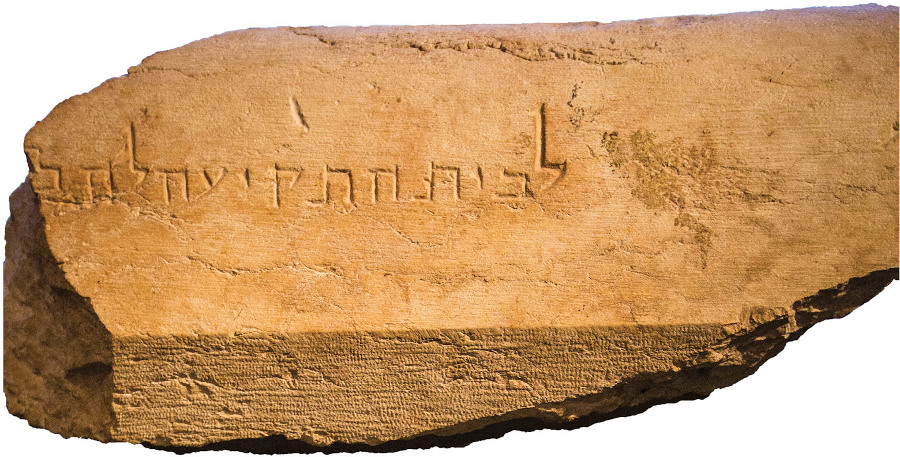
Stone excavated from the southwest corner of the Jerusalem temple with the inscription, “for the place of the blowing [of the trumpet].”
© 2018 by Zondervan
Return to the main text.
13:22 Remember me. See note on 1:8.
13:23 Ezra had dealt with the same problem of intermarriage some 25 years before (see note on Ezr 9:1). Ashdod. See 4:7; Isa 20:1 and notes. Ammon and Moab. See note on Ge 19:36–38.
13:24 The Israelites recognized other people as foreigners by their languages (Dt 3:9; Jdg 12:6; Ps 114:1; Isa 33:19; Eze 3:5–6).
13:25 pulled out their hair. See Ezr 9:3; Isa 50:6 and notes. The action was likely meant both to punish and to shame (see 2Sa 10:4). You are not to give. Nehemiah’s action was designed to prevent future intermarriages, whereas Ezra dissolved the existing unions.
13:26 Solomon. Israel’s outstanding king in terms of wealth and political achievements (1Ki 3:13; 2Ch 1:12). Solomon began his reign by humbly asking for wisdom from the Lord (1Ki 3:5–9). he was led into sin. In later years his foreign wives led him to worship other gods, so that he built a high place for Chemosh, the god of the Moabites (1Ki 11:7).
13:28 son-in-law to Sanballat. According to Lev 21:14 the high priest was not to marry a foreigner. The expulsion of Joiada’s son followed either this special ban or the general prohibition against intermarriage. The union described in this verse was especially rankling to Nehemiah in the light of Sanballat’s enmity (2:10). Josephus (Antiquities, 11.7.2) records that an almost identical episode, involving a marriage between the daughter of a Sanballat of Samaria and the brother of the Jewish high priest, took place a little over a century later in the time of Alexander the Great.
13:30 duties. Or “divisions,” referring to the assignment of particular duties to groups of priests and Levites, possibly on a rotating basis (see note on 12:9).
13:31 wood. See 10:34 and note. Remember me with favor. The last recorded words of Nehemiah recapitulate a theme running through the final chapter (vv. 14,22; see note on 1:8). His motive throughout his ministry was to please and to serve his divine Sovereign.